Best-Selling Authors Challenge Utah's Book Ban Law in Court
Best-selling authors sue Utah officials, claiming the state's book ban law is unconstitutional and infringes on educational freedom.
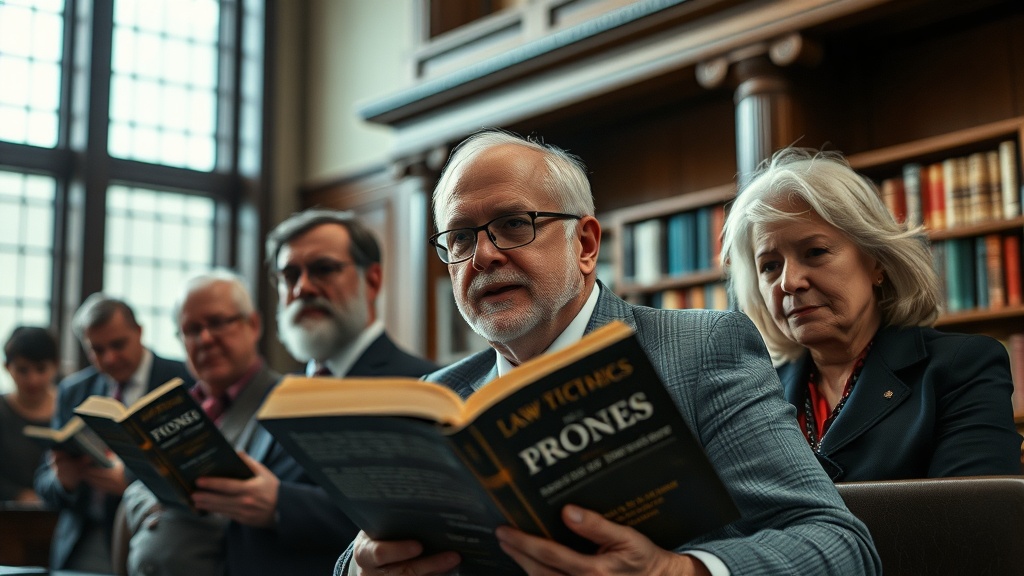
In a significant legal battle, a coalition of best-selling authors has initiated a lawsuit against Utah state officials, claiming that the state’s sensitive materials law, which has led to the banning of numerous books from public schools, is unconstitutional. The authors, who include well-known names in the literary community, assert that these restrictions not only infringe upon their rights but also undermine the educational framework for students across the state.
The lawsuit, filed in the U.S. District Court for Utah, challenges the constitutionality of the sensitive materials law, which was enacted with the intention of protecting students from content deemed inappropriate. This law has been a focal point of contention in recent months, as it has resulted in the removal of several books from school curriculums, generating a heated debate regarding censorship, educational freedom, and the role of literature in schools.
Among the plaintiffs are authors whose works have been prominent in national discussions about race, gender, and identity. They argue that the law disproportionately targets books that address complex social issues, effectively silencing voices that are critical to understanding the diverse fabric of society. "We are witnessing a modern-day book burning," stated one of the authors during a press conference. "By banning these books, we are not just denying students access to literature; we are denying them the opportunity to engage critically with the world around them."
The sensitive materials law defines what constitutes inappropriate content and gives local school boards the authority to evaluate and remove books based on these criteria. Proponents of the law argue that it is necessary to protect young minds from exposure to potentially harmful or controversial topics. However, critics contend that it creates a slippery slope toward censorship and restricts educators' ability to provide a comprehensive and balanced curriculum.
The authors’ lawsuit seeks to have the law declared unconstitutional based on First Amendment grounds, arguing that it violates the freedom of speech and the right to access information. They assert that the law’s vague definitions and broad scope allow for arbitrary enforcement, which can lead to the systematic exclusion of valuable literary works from educational settings.
In a statement released by the group, the authors emphasized the importance of literature in fostering empathy and understanding among students. They believe that exposure to diverse perspectives is crucial for developing critical thinking skills and promoting social awareness. “Books are mirrors and windows; they reflect our own experiences and open up new worlds,” said another plaintiff. “Removing them from schools is akin to closing the door on important conversations that need to happen.”
The legal action has garnered widespread attention, highlighting a growing trend across the United States where similar laws have been implemented in various states, aiming to regulate educational content with respect to sensitive themes. This has sparked a national dialogue about the balance between parental rights, educational autonomy, and the necessity of exposing students to a range of ideas and narratives.
As the case unfolds, it could have significant implications not only for the authors involved but also for the broader landscape of education in Utah and beyond. Legal experts suggest that the outcome may set a precedent for how educational content is curated and what materials can be made available to students across the country.
In response to the lawsuit, representatives from the Utah Board of Education have stated that they are committed to ensuring that students receive a safe and appropriate education, while also acknowledging the importance of diverse and inclusive literature. “We are reviewing the claims made in the lawsuit and will respond accordingly,” said a spokesperson for the Board.
As this legal battle progresses, the eyes of educators, authors, and advocates for free speech will be watching closely. The outcome of this case may influence not only the future of literature in Utah’s classrooms but also the ongoing discourse regarding censorship and the role of education in shaping informed citizens.
The authors are hopeful that their legal challenge will resonate with other writers and educators facing similar challenges in their own states. They believe that the fight for literary freedom is crucial in preserving the integrity of educational environments and ensuring that future generations have access to the wealth of knowledge and understanding that literature provides.
In a world increasingly polarized by differing views, the authors’ lawsuit serves as a reminder of the power of words and the importance of safeguarding the rights of individuals to express and explore a multitude of perspectives in the realm of education and beyond.