Ballerina Farm Halts Raw Milk Sales Following Health Test Failures
Ballerina Farm has paused raw milk sales after bacteria were found in some samples, prioritizing consumer health and safety.
Ballerina Farm, a prominent dairy operation located in the picturesque Wasatch Back region of Utah, has announced a suspension of its raw milk sales after laboratory tests revealed the presence of harmful bacteria in some of its products this past summer. The farm, which has garnered a significant following on social media for its picturesque setting and commitment to sustainable farming practices, has become a household name among raw milk enthusiasts. However, the recent health concerns have prompted the farm to take immediate action to ensure consumer safety.
The decision to pause sales comes after the Utah Department of Agriculture and Food (UDAF) conducted routine tests, which uncovered the presence of bacteria in several samples. According to a statement released by the farm, the specific types of bacteria detected have not been disclosed publicly, but the farm emphasized its commitment to food safety and the health of its customers.
"We take the health and safety of our customers very seriously, and it is our top priority to ensure that our products are safe for consumption," said a representative from Ballerina Farm. The farm has indicated that it is cooperating fully with health officials and is currently undergoing a thorough review of its production and safety protocols.
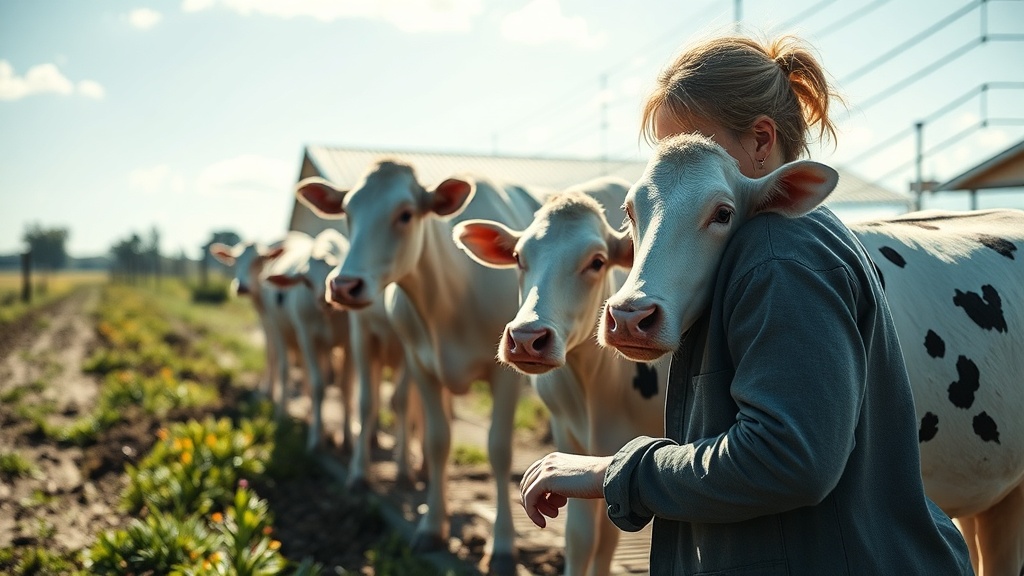
Ballerina Farm, which has built a reputation for its high-quality dairy products, including raw milk, cheese, and yogurt, has attracted attention not just for its products but also for its charming social media presence. The farm often shares images of its cows grazing in lush pastures, along with stories of its farming practices. This transparency and connection with consumers have helped cultivate a loyal customer base, many of whom are passionate advocates for the raw milk movement.
Raw milk is often lauded by its proponents for its perceived health benefits, which they claim include improved digestion and enhanced nutritional value compared to pasteurized milk. However, raw milk can also pose health risks due to the potential presence of harmful pathogens. In recent years, there has been an uptick in public interest surrounding raw milk, leading to an increase in both demand and scrutiny from health officials.
The UDAF has reiterated the importance of testing and monitoring dairy products to ensure they meet safety standards. "Our role is to protect public health, and we take any findings of harmful bacteria very seriously," said an official from the department. They noted that while many consumers seek out raw milk for its purported health benefits, it is crucial to understand the risks involved.
In light of the recent findings, Ballerina Farm is not only pausing its raw milk sales but is also implementing additional measures to enhance its safety protocols. The farm plans to conduct further testing and will work closely with food safety experts to identify and mitigate any potential sources of contamination. This proactive approach aims to reassure customers that the farm is dedicated to providing safe and healthy products.
As part of its commitment to transparency, Ballerina Farm has pledged to keep its customers informed throughout this process. The farm intends to communicate updates via its social media channels and website, where they will share progress on the testing and safety improvements being undertaken. This level of engagement reflects the farm's understanding of its responsibility to its community and its consumer base.
The implications of this decision are significant not only for Ballerina Farm but also for the broader raw milk industry in Utah and beyond. As consumer interest in raw milk continues to grow, the need for stringent safety measures becomes even more critical. The situation at Ballerina Farm serves as a reminder of the potential hazards associated with raw milk consumption and the importance of adhering to health regulations.
In conclusion, Ballerina Farm's temporary halt of raw milk sales underscores the delicate balance between consumer demand for traditional and unprocessed foods and the need for rigorous food safety standards. As the farm navigates this challenge, it remains committed to ensuring that its products meet the highest safety standards, with hopes of resuming sales in the future once it has resolved the issues at hand. The farm’s journey will be closely watched by both supporters and critics of raw milk, as it highlights the ongoing conversation around food safety and consumer health in the evolving landscape of agriculture.