Alarming Report Reveals Almost Half of Utah Third Graders Struggle with Reading
A recent report shows nearly 50% of Utah third graders are not reading at grade level, raising concerns about future academic success.
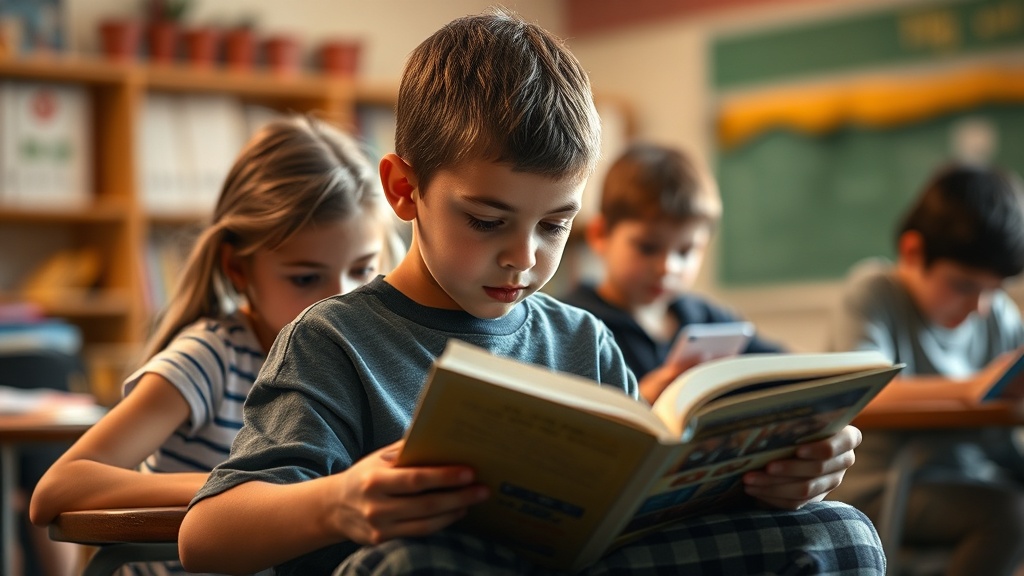
In a concerning revelation for educators and parents alike, a report released by the Kem C. Gardner Policy Institute on Monday highlighted that nearly 50% of Utah third graders are not reading at grade level. The study, which analyzed early literacy rates among children in the state, underscores a troubling trend that could have long-term implications for students' academic futures and overall literacy skills.
The findings indicate that only 52% of third graders in Utah met the state's literacy benchmarks during the 2022-2023 school year. This statistic marks a significant decline from previous years, where literacy rates had shown more promising results. The report is part of a broader examination of educational outcomes in Utah, particularly in the wake of the COVID-19 pandemic, which has exacerbated existing challenges in the education system.
According to Dr. Jennifer Robinson, the director of the Kem C. Gardner Policy Institute, the decline in literacy rates is a multifaceted issue. "The pandemic has disrupted learning environments, and many children have not had access to the resources they need to develop essential reading skills," she stated. Dr. Robinson emphasized that early literacy is crucial, as it serves as a foundation for all future learning. When children fall behind in reading, they often struggle in other areas of the curriculum, creating a cycle of academic challenges.
The report also highlights disparities among different demographic groups. For instance, students from low-income families and those who speak English as a second language are disproportionately affected. The data revealed that only 30% of these students are reading at grade level, compared to their peers from more affluent backgrounds. This gap raises significant concerns about equity in education and underscores the need for targeted interventions.
In response to these alarming trends, state education officials are taking steps to address the literacy crisis. The Utah State Board of Education is implementing new initiatives aimed at improving early reading skills among students. One such program is the "Reading Foundations" initiative, which focuses on training teachers in effective literacy instruction and providing additional resources for students who are struggling.
Furthermore, community organizations and local governments are also stepping up to support literacy efforts. Programs such as the "Book Buddy" initiative, which pairs volunteers with children to read together, have seen increased participation. These grassroots efforts aim to foster a love of reading while providing crucial support to children who may not be receiving enough reading practice at home.
However, experts caution that addressing the literacy crisis requires a comprehensive approach that goes beyond just educational interventions. Community support, parental involvement, and access to books and learning materials are all critical components of fostering a literate society. "We need to create an ecosystem that values reading and provides children with the tools they need to become proficient readers," Dr. Robinson noted.
The implications of these findings extend beyond the classroom. Literacy is a vital skill that affects employment opportunities, economic stability, and community engagement. As such, the consequences of failing to address literacy rates could have far-reaching effects on Utah's future workforce and economy.
Parents are encouraged to take an active role in their children's literacy development by reading with them at home, engaging in discussions about books, and encouraging a culture of reading. Local libraries and bookstores are also critical resources for families looking to expand their children's access to literature.
As the state grapples with these pressing issues, it is clear that a collaborative effort involving educators, parents, community leaders, and policymakers will be essential in reversing the trend of declining literacy rates. The findings from the Kem C. Gardner Policy Institute serve as a wake-up call, urging all stakeholders to act swiftly and decisively to ensure that every child in Utah has the opportunity to become a proficient reader.
In conclusion, the report paints a stark picture of the current state of literacy among Utah's children. With nearly half of third graders struggling to read at grade level, the educational community and society at large face a significant challenge. By working together, however, there is hope that these trends can be reversed, ensuring a brighter future for all of Utah's students.