2025: A Pivotal Year for Utah Education Amidst Disruptions and Tragedy
In 2025, Utah's education landscape was marked by budget shifts, a cellphone policy change, and the tragic murder of Charlie Kirk.
In 2025, education in Utah experienced a tumultuous year marked by significant changes, challenges, and heartbreak. From the reallocation of higher education budgets to the tragic murder of prominent political figure Charlie Kirk on an Orem campus, the year was characterized by its highs and lows. This article delves into the key events that defined Utah's educational landscape, their implications, and the responses from educators and policymakers alike.
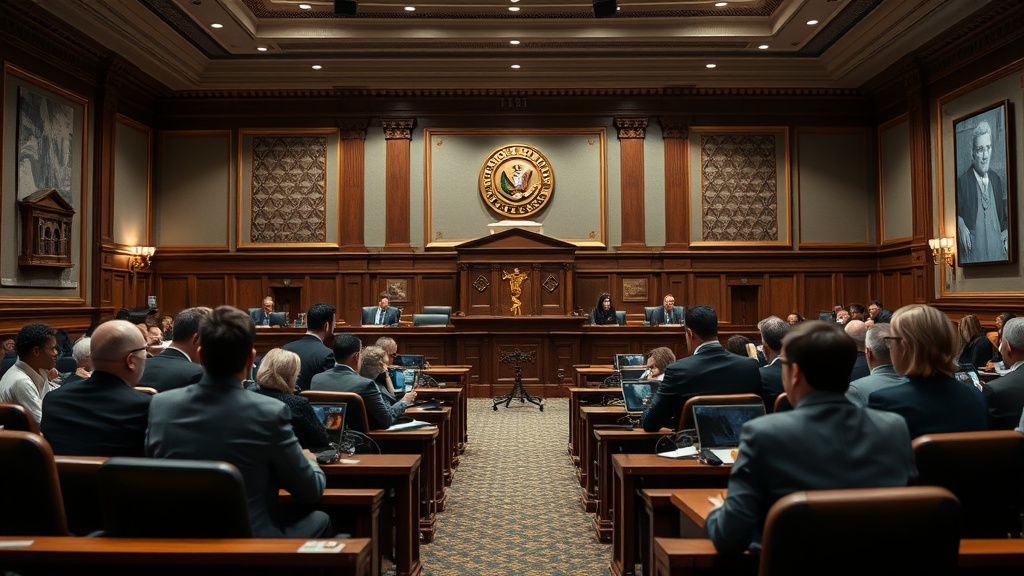
One of the central stories was the significant reallocation of the higher education budget aimed at addressing critical needs within Utah's public universities and colleges. Amidst soaring enrollment numbers and increasing operational costs, state leaders faced mounting pressure to ensure adequate funding for educational institutions. Governor Spencer Cox announced a new initiative aimed at redistributing resources to enhance infrastructure and expand mental health services on campuses. The initiative allocated $50 million for mental health programs, reflecting the growing recognition of student well-being as a priority.
"We are committed to ensuring that our students not only receive quality education but also the support they need to thrive," Governor Cox stated during a press conference. This move was largely welcomed by university administrators who have long advocated for improved mental health resources amid rising reports of anxiety and depression among students. However, the budget changes also faced criticism from some lawmakers who argued that the funding shifts could undermine essential academic programs.
In K-12 education, a notable policy change was the implementation of strict regulations regarding cellphone use in classrooms. The Utah State Board of Education voted to enforce a ban on cellphone usage during instructional time, citing concerns over distractions and declining academic performance. The decision was met with mixed reactions from educators, students, and parents. Supporters of the ban argued that it would help foster a more focused learning environment, while opponents worried it could hamper communication and accessibility for students dealing with personal issues.
"We need to strike a balance between technology and education," said Linda Martinez, a high school teacher in Salt Lake City. "While I understand the need to minimize distractions, we also have to consider the challenges that some students face outside the classroom. A ban could make it harder for them to reach out for help when they need it most."
Meanwhile, the education sector was rocked by a tragic incident on April 15, when Charlie Kirk, a well-known political commentator and founder of the conservative organization Turning Point USA, was shot and killed on the campus of Utah Valley University in Orem. The shocking event unfolded during a campus event aimed at promoting political discourse and engagement among students. Witnesses reported seeing a commotion before shots were fired, leaving the campus community in disbelief and mourning.
In the wake of Kirk's death, university officials and local law enforcement launched investigations to determine the circumstances surrounding the shooting. The tragedy prompted national conversations about campus safety and the need for increased security measures at educational institutions. Utah Valley University President Astrid S. Tuminez expressed her condolences, stating, "We are deeply saddened by this act of violence. Our thoughts are with Charlie's family and all those affected by this tragedy. We are committed to ensuring the safety of our students and faculty."
The incident also reignited debates about free speech on college campuses, as students and faculty grappled with the implications of Kirk's controversial viewpoints and their impact on campus culture. Many students called for open forums to discuss political expression and safety, while others advocated for stricter security protocols at events hosting influential speakers.
Amid these challenges, Utah's education system also saw advancements in educational technology, with several districts embracing online learning platforms and digital resources to enhance student engagement. Schools across the state reported an increase in student participation through virtual learning tools, allowing for more personalized education paths. However, this shift raised questions about equity in access to technology, particularly in underserved communities, where internet connectivity remains a challenge.
As the year comes to a close, Utah's educators and policymakers reflect on a period of significant transformation. The events of 2025 have served as a catalyst for conversations about safety, mental health, and the role of technology in education. While the challenges remain daunting, the collective response from the community underscores a commitment to fostering a supportive and innovative educational environment for all students.
In conclusion, the year 2025 will be remembered as a pivotal time for education in Utah, characterized by both disruption and resilience. As stakeholders continue to navigate the complexities of the educational landscape, the lessons learned will undoubtedly shape the future of education in the state for years to come.