Weber State Professor Uncovers New Roundworm Species in Great Salt Lake
A Weber State professor's discovery of a new roundworm species in the Great Salt Lake reveals greater biodiversity than previously thought.
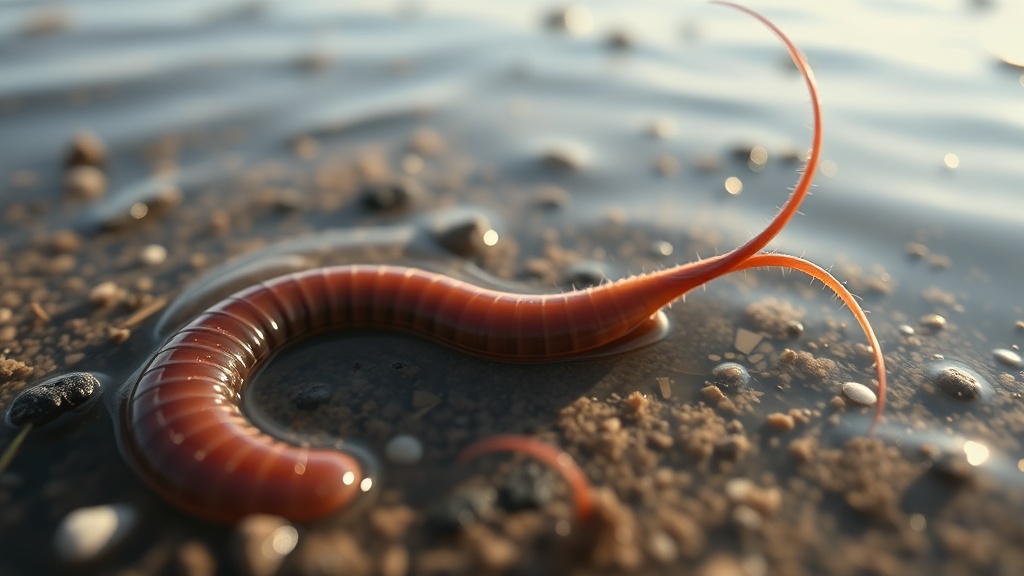
A groundbreaking discovery in the Great Salt Lake has been made by a professor from Weber State University, who, alongside her team, has identified a new species of roundworm. This finding not only sheds light on the unique ecosystem of the lake but also suggests that the region's biodiversity may be far greater than previously recognized.
The Great Salt Lake, known for its high salinity and harsh environmental conditions, has long been considered a challenging habitat for many forms of life. However, Dr. Emily Hartman, a biology professor at Weber State, believes this discovery is just the tip of the iceberg. "Our research shows that even in extreme environments like the Great Salt Lake, life finds a way to adapt and thrive," Hartman stated during a recent interview.
The new roundworm species, which has been tentatively named *Halomyzon salinus*, was found in sediment samples collected from the lake's shores. The team, which includes graduate students and fellow faculty members, utilized advanced molecular techniques to analyze the genetic material of the roundworms, confirming that it is distinct from other known species. This method not only helps in identifying new species but also provides insight into their evolutionary history and ecological roles.
The implications of this discovery extend beyond the immediate findings. The Great Salt Lake has been undergoing significant changes due to climate shifts and human activity, leading to concerns about its ecological health. Hartman expressed optimism about the potential for discovering more undiscovered species in the lake, stating, "The biodiversity here is still largely unexplored, and this discovery could encourage further research into the lake's ecosystem."
Historically, the Great Salt Lake has been viewed as an inhospitable environment for many organisms, primarily due to its extreme salinity levels, which can be up to eight times saltier than ocean water. However, the presence of microbial life and extremophiles in this ecosystem has shown that various organisms have adapted to thrive in such conditions. The discovery of *Halomyzon salinus* adds a new layer of complexity to our understanding of life in extreme environments.
In recent years, the lake has faced numerous challenges, including declining water levels and increasing salinity, both of which have raised alarms about the future of its ecosystem. Conservationists and researchers have been advocating for more comprehensive studies on the lake's biodiversity to better understand the impact of environmental changes.
The Great Salt Lake is not only a haven for wildlife but also plays a crucial role in the local economy. It supports industries such as salt production and provides critical habitat for migratory birds, making it a vital ecological resource. Hartman’s findings emphasize the importance of preserving this unique environment.
As the research continues, the team led by Hartman plans to investigate further into the lake’s sediments to uncover more potential species that may have adapted to its unique conditions. They aim to collaborate with other researchers and institutions to broaden the scope of their studies, hoping to piece together a more comprehensive picture of the biodiversity that exists within the Great Salt Lake.
Hartman concluded, "Each new discovery adds to our understanding of how life can not only survive but flourish in seemingly inhospitable conditions. We owe it to future generations to protect these ecosystems and continue exploring their depths."
The announcement of this discovery has been met with enthusiasm from the scientific community, as it highlights the need for ongoing research in the Great Salt Lake and similar ecosystems worldwide. As climate change continues to impact environments globally, understanding how species adapt to extreme conditions will be crucial in the fight to preserve biodiversity.
In light of these findings, Weber State University has announced plans to enhance its research initiatives focused on the Great Salt Lake, aiming to further explore and document the biodiversity present in this unique habitat. With ongoing support from the university and collaboration with environmental organizations, the hope is to inspire a new generation of scientists to delve into the mysteries of the Great Salt Lake and contribute to the conservation of its fragile ecosystem.