February Unveils Stunning Winter Constellations for Stargazers in Utah
February in Utah offers stunning celestial views, including Orion, Sirius, and a solar eclipse, perfect for stargazers.
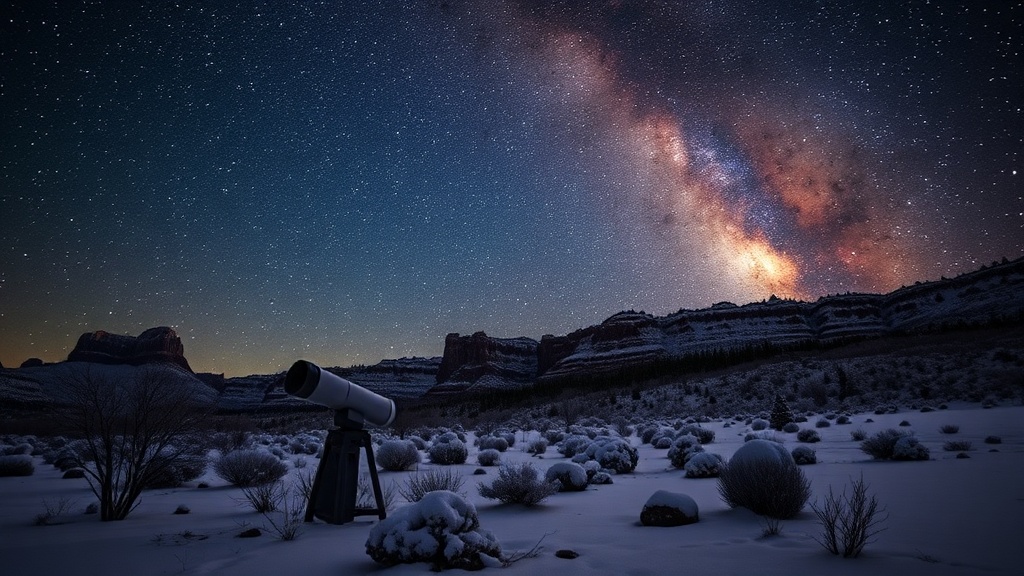
PARK CITY, UT — As the winter season deepens, February provides stargazers in Utah with a remarkable opportunity to witness some of the night sky's most brilliant celestial features. The combination of extended nights and crisp, clear air creates optimal viewing conditions, as detailed by The Old Farmer's Almanac, a trusted source for astronomical observations.
During this month, one of the standout constellations is Orion the Hunter, which takes center stage in the evening sky. Orion is easily identifiable by three bright stars that form a straight line known as Orion's Belt. These three stars—Alnitak, Alnilam, and Mintaka—serve as a guidepost for identifying the rest of the constellation, which resembles an hourglass shape. The prominence of Orion during February makes it a favorite among amateur astronomers and casual observers alike, as it is visible throughout the evening hours.
"February is no better time to appreciate Orion, with its majestic form dominating the skyline," said astronomer Dr. Emily Rodriguez from the Utah Astronomical Society. She adds that the constellation can be seen rising in the east and reaching its peak in the southern sky before setting later in the night, providing ample time for observers to take in its beauty.
As winter nights stretch on, another celestial highlight is the star Sirius, identified as the brightest star in the February sky. Located just below Orion's Belt, Sirius is often referred to as the 'Dog Star' because it is part of the constellation Canis Major. According to The Old Farmer's Almanac, Sirius shines brightly from nightfall until midnight, making it a focal point for those gazing up at the night sky. Its brilliance is often a subject of fascination, with many skywatchers documenting its visibility throughout the month.
Adding to February's allure is the Full Snow Moon, which reached its peak illumination on February 1. Traditionally, this lunar phase is associated with heavy snowfall, an apt name considering the winter weather experienced in Utah during this time. The Full Snow Moon not only provides a stunning visual but also offers opportunities for photographers and stargazers to capture the moonlit landscape, which can be particularly breathtaking in snowy surroundings.
On February 2, the moon will be particularly noteworthy as it appears near Regulus, a bright star in the constellation Leo. Observers should scan the eastern sky after sunset for this celestial pairing. Regulus, which is often referred to as the 'Heart of the Lion,' adds to the month's cosmic spectacle, offering another chance for enthusiasts to engage with the night sky.
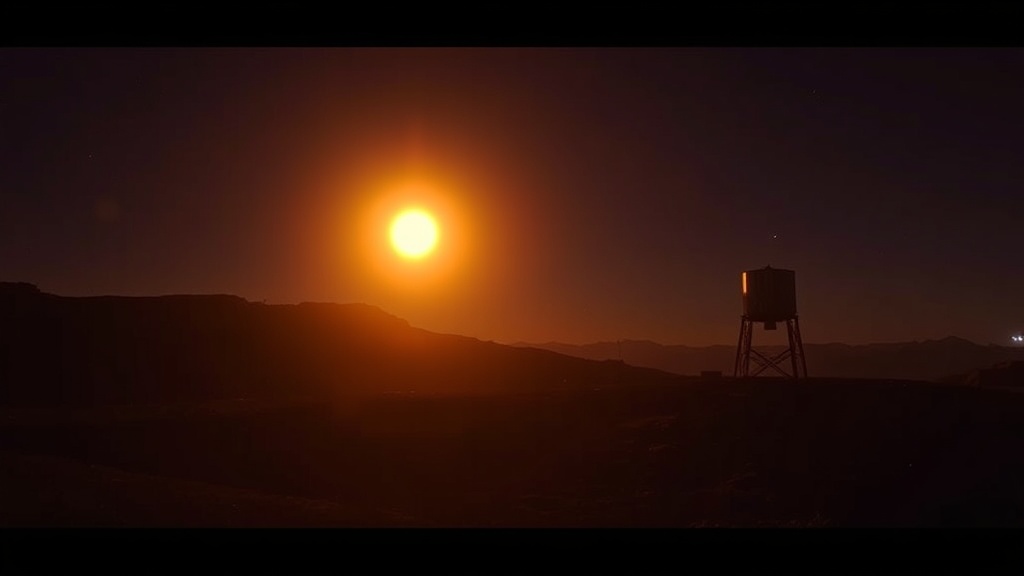
As the month progresses, stargazers will be treated to an extraordinary event: an annular solar eclipse on February 17. This rare occurrence, where the moon obscures the sun's center, leaving a ring-like appearance, is a must-see for astronomy enthusiasts. However, safety is paramount; The Old Farmer's Almanac stresses the importance of using certified eclipse glasses or solar viewers to protect one’s eyes from permanent damage. Observers are cautioned against looking directly at the sun without proper eye protection, as this can lead to severe eye injuries.
Moreover, astronomers recommend that those planning to stargaze take measures to enhance their viewing experience. Allowing 10 to 15 minutes for eyes to adjust to darkness can significantly improve visibility of celestial objects. Additionally, keeping phone screens dimmed helps preserve night vision, enabling observers to fully immerse themselves in the wonders of the night sky.
February not only offers breathtaking sights but also fosters a sense of community among stargazers. Many local astronomy clubs and organizations, such as the Utah Astronomical Society, host events to encourage public participation in skywatching, often providing telescopes and expert guidance for those new to the hobby. These gatherings create a shared experience, allowing individuals to connect over their fascination with the cosmos.
In conclusion, February in Utah presents an exceptional opportunity for both seasoned astronomers and casual stargazers to explore the wonders of the winter sky. With prominent constellations like Orion and Sirius, the enchanting Full Snow Moon, and the upcoming annular solar eclipse, this month promises to be a memorable one for anyone willing to step outside and look up. As the nights grow longer and the air cooler, the celestial showcase beckons, reminding us of the beauty and mystery that lies beyond our planet. Each star and constellation tells a story, inviting us to engage with our universe in a profound way.