Wasatch County Community Advocates for Veteran Care Center Amid Mental Health Crisis
Wasatch County residents call for a veteran care center to address mental health crises among veterans and first responders.
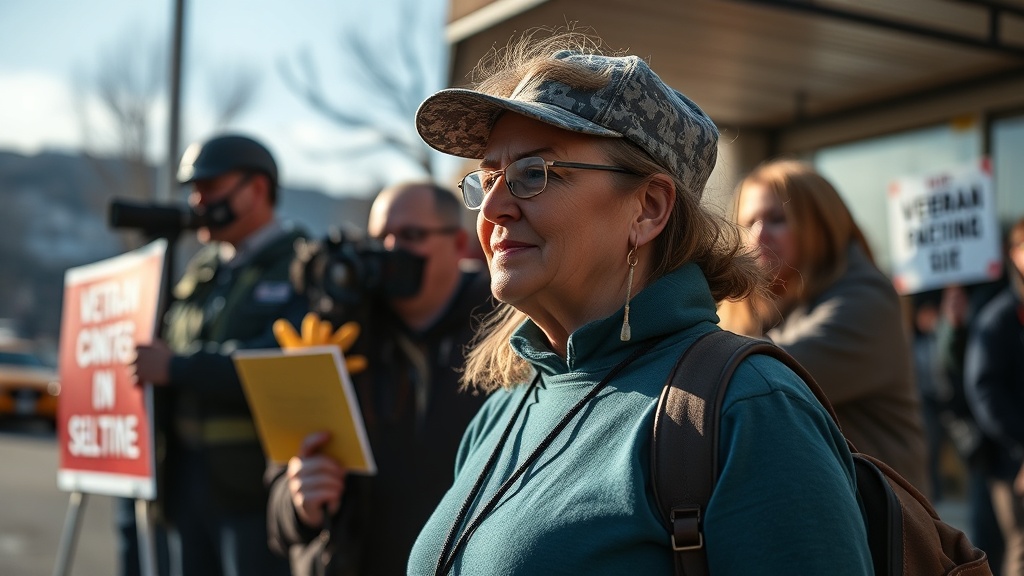
In a heartfelt plea to the Wasatch County Council on Wednesday, Neysa Holmes urged local officials to establish a dedicated care center for veterans and first responders struggling with mental health issues, including post-traumatic stress disorder (PTSD) and traumatic brain injuries. Holmes, the wife of U.S. Army Special Forces veteran Frederick “Erick” Earl Holmes, brought her concerns to the forefront during a public comment session, highlighting the urgent need for better mental health support in the region. She was met with enthusiastic support from several community members, marking a significant moment in the push for enhanced veteran services in Wasatch County.
Neysa Holmes began her address by sharing the personal struggles faced by her husband, who has experienced severe mental health crises resulting from his military service. Erick, 55, has been in custody at the Wasatch County Jail following an incident on January 12, which was exacerbated by his ongoing battles with PTSD and traumatic brain injuries. Neysa emphasized that such facilities are crucial, stating, “It is evident the most urgent, unmet need in this region is a crisis stabilization unit for our veterans and first responders serving Wasatch County.”
The Holmes family’s experiences underscore a broader issue affecting many veterans and first responders who often find themselves without adequate support systems. Neysa proposed that the County Council utilize county-owned property to establish a mental health crisis center designed to provide immediate care for individuals experiencing acute episodes. This initiative would serve as a vital alternative to the current practice of sending individuals to rehabilitation facilities or placing them under law enforcement custody during crises.
Previously, Chateau Recovery operated a facility in Midway that catered to first responders dealing with various mental health challenges, including PTSD and substance abuse. However, the center has since relocated to a larger facility in eastern Summit County, leaving a gap in local services. “This would not be another dual diagnosis center. It would stabilize, not criminalize,” Neysa explained, asserting that the proposed center would set a precedent for crisis care and establish Wasatch County as a leader in addressing the mental health needs of those who have served the community.
Following Neysa's presentation, Matthew Cree, a veteran and a current resident facing housing instability, shared his experiences, stating, “Something needs to be separate from the VA, and it needs to be received by guys that understand guys like me.” Cree, who has completed three combat tours, emphasized the need for a facility tailored to the unique experiences of veterans. He articulated the struggle many veterans face, noting that incarceration can sometimes feel like a refuge from their mental health struggles, a reality that ultimately burdens taxpayers without providing real solutions.
Ken McConnell, a Vietnam veteran and former combat photographer, also spoke in support of the proposed center. He stressed that while physical injuries from war are often treated, the psychological scars are frequently left unaddressed. “There’s help for the physical aspects of war. But there’s very little available for the damage that’s done to the brain,” he lamented.
Former Wasatch County Sheriff Todd Bonner echoed these sentiments, highlighting the overlooked mental health needs of law enforcement personnel. “We all suffer from it one way or another with the sights that we have seen. I know myself, for 33 years, of nothing but a very depressing career trying to help people,” Bonner shared, emphasizing the importance of addressing mental health issues within the law enforcement community.
Cass Ho, a community member who has witnessed the toll of war on friends, expressed her concern about the mental health crisis in the region. “There’s an addiction problem …but the main problem is the brain injuries and the PTSD. The addictions come after that,” she noted, reinforcing the call for specialized mental health resources.
Neysa shared a recent incident where she had to call law enforcement on her husband due to his escalating distress. The situation escalated to his arrest, a cycle that Neysa believes could be avoided with the establishment of a dedicated crisis center. “Instead, if we had a place that they would take these guys to … where they can get them stabilized, figure out what it is that they need,” she argued, highlighting the need for preventive care.
The supportive response during the public comment period did not go unnoticed by the County Council. Councilor Erik Rowland acknowledged the importance of the issue, stating, “It’s a narrative that happens almost everywhere, but few people seem to be enacting any effective change or solution.” He assured attendees that the council would take the matter seriously and planned to hold a subcommittee meeting to further explore the concerns raised.
Councilor Luke Searle expressed optimism about the potential for action, stating, “I think we’re supportive of the idea of giving veterans and first responders the support that they need, because they do undergo some of these really traumatic events.” He noted that involving Veterans Affairs in the conversation would be a critical step forward.
As the discussion progresses, the Wasatch County Council aims to engage with the community to develop strategies for establishing a much-needed care center. The voices of veterans and their families are increasingly being recognized as essential to shaping effective mental health services in the region. With a commitment to addressing these pressing needs, the council is poised to enact change that could profoundly impact the lives of those who have served the community.
The gathering highlighted the community's willingness to advocate for better mental health resources, marking a hopeful step toward addressing the challenges faced by veterans and first responders in Wasatch County.