UVU and BYU Students Challenge Border Patrol Recruitment Efforts on Campus
Students at UVU and BYU are opposing federal Border Patrol recruitment, sparking a debate about immigration and campus values.
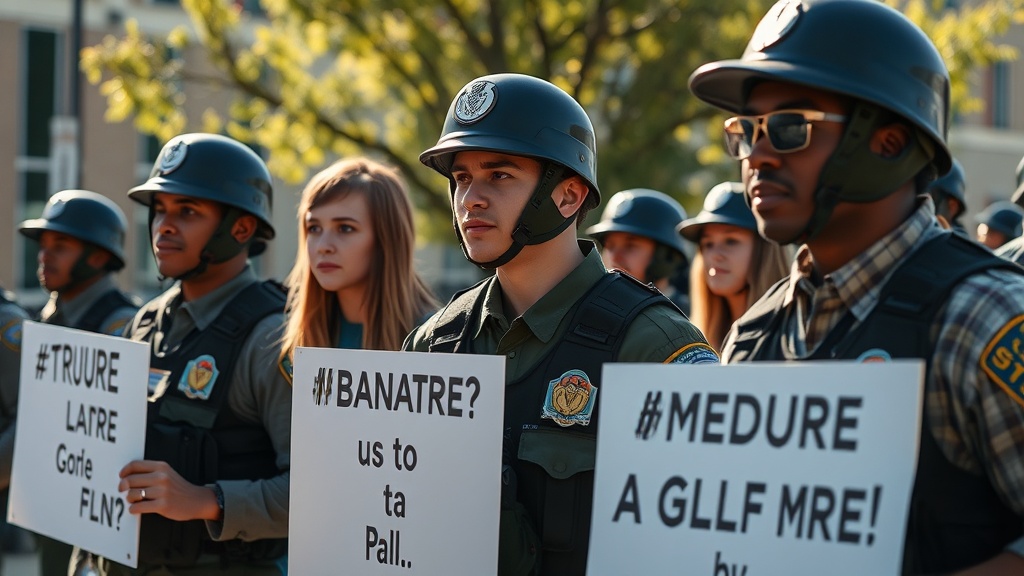
In a significant development this week, students at Utah Valley University (UVU) and Brigham Young University (BYU) are voicing their concerns regarding the presence of federal Border Patrol and Protection agents on their campuses. Scheduled to participate in upcoming job fairs, these agents aim to recruit new talent amidst rising tensions over immigration policies and border enforcement strategies in the United States. The recruitment efforts have ignited a robust debate, prompting calls from students and faculty to disinvite the agents from these events.
The Border Patrol job fairs are part of a nationwide initiative to attract potential candidates to law enforcement positions, particularly in regions heavily impacted by immigration issues. The agents are expected to outline job opportunities, benefits, and the critical role they play in national security and public safety. However, many students and faculty members view this recruitment drive as incompatible with the values of inclusivity and diversity that both institutions promote.
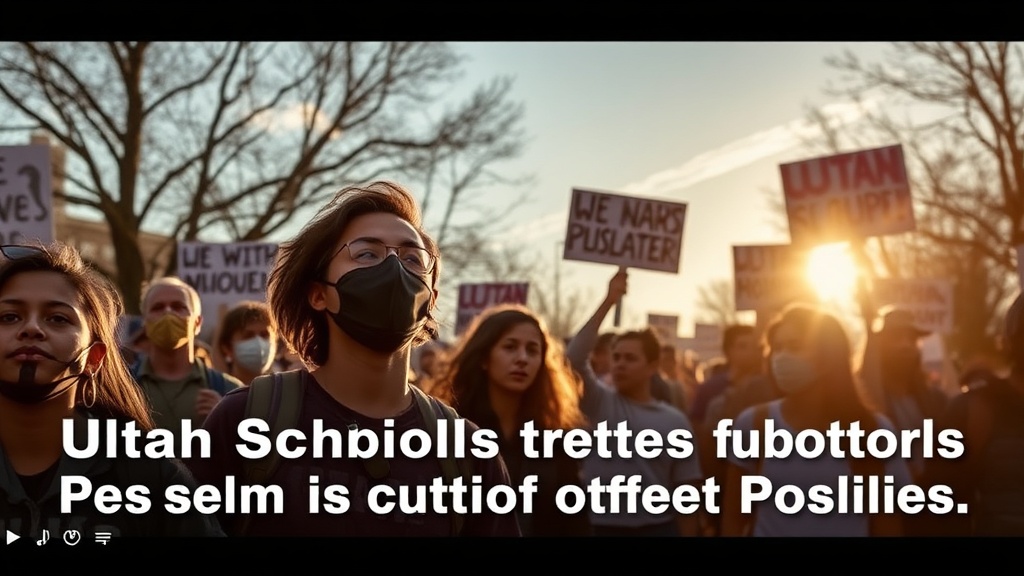
At UVU, a diverse student body reflects a wide array of cultural backgrounds, many of whom are directly affected by immigration policies. A group of students, organized under the banner 'Students for Immigration Justice,' has been particularly vocal, urging university officials to reconsider the invitation extended to Border Patrol agents. "We stand against any entity that perpetuates fear and division among our communities," said Maria Gonzalez, a senior majoring in social justice. "Inviting the Border Patrol to our campus sends a message that our university endorses their methods, which many of us find troubling."
Similarly, at BYU, a private university owned by The Church of Jesus Christ of Latter-day Saints, students have expressed worries about the implications of allowing federal agents to recruit on campus. BYU student council member Jake Smith articulated the sentiments shared by many. "We believe that our university should be a safe space for all students, including those from immigrant backgrounds. Allowing the Border Patrol to engage with students feels like a contradiction to that mission," he explained.
In response to the mounting pressure from students, both universities have issued statements emphasizing their commitment to fostering open dialogue and supporting all students. UVU's administration acknowledged the concerns raised and noted that they are evaluating the situation. "While we appreciate the interest of the Border Patrol in recruiting at our job fair, we must also consider the diverse perspectives of our student body and the broader implications of their presence on campus," said UVU spokesperson Brian Smith.
BYU has also voiced a commitment to addressing student concerns, highlighting their dedication to maintaining a campus environment that promotes understanding and respect. University officials stated that they are in discussions about how to best navigate the complexities surrounding the recruitment visit. "Our priority is to ensure that all students feel welcomed and valued in our community, and we are committed to finding a balanced approach that respects differing opinions," a BYU spokesperson said.
The debate surrounding the Border Patrol’s recruitment efforts underscores broader national conversations regarding immigration policy and the role of law enforcement in communities. Many advocates argue that aggressive border enforcement tactics have led to increased anxiety and fear among immigrant populations, particularly among students who may feel vulnerable in such environments. The presence of federal agents on university campuses raises questions about the relationship between educational institutions and law enforcement, particularly in contexts where student safety is a paramount concern.
Moreover, this situation highlights the ongoing divide within the United States regarding immigration issues. While some students and community members see Border Patrol agents as essential to maintaining national security, others view them as symbols of oppression and fear. The backlash from students at UVU and BYU reflects a growing trend among younger generations who are increasingly vocal about social justice issues, including immigration rights, and who are willing to challenge institutional practices they find objectionable.
As the job fairs approach, the universities are faced with a challenging dilemma: how to balance the needs of law enforcement agencies to recruit qualified candidates while also addressing the legitimate concerns of their student populations. The outcomes of these discussions will likely set a precedent for how similar situations are handled in the future, influencing the dynamics between educational institutions and federal agencies across the nation.
In conclusion, as Utah universities navigate this controversy, the dialogue surrounding the recruitment of Border Patrol agents highlights the complex interplay between law enforcement and educational environments. The ongoing discussions are emblematic of the broader societal debates surrounding immigration, safety, and the values that institutions choose to uphold. Whether the universities will ultimately allow the recruitment to proceed remains to be seen, but the students’ voices are clear: they want their campuses to be places of inclusion, not division.