Utah Proposes New Bill to Address Book Banning in Schools
Utah proposes a new bill to regulate sensitive materials in schools, allowing state intervention and potential lawsuits over educational content.

During the 2026 General Session, lawmakers in Utah have introduced a new bill aimed at addressing the growing controversy surrounding book banning in public schools. The proposal seeks to establish clearer guidelines for handling instructional materials that are deemed sensitive, while also empowering the state to take legal action against schools that violate these guidelines. This move comes amid a national conversation about censorship in education and the appropriateness of certain materials for students.
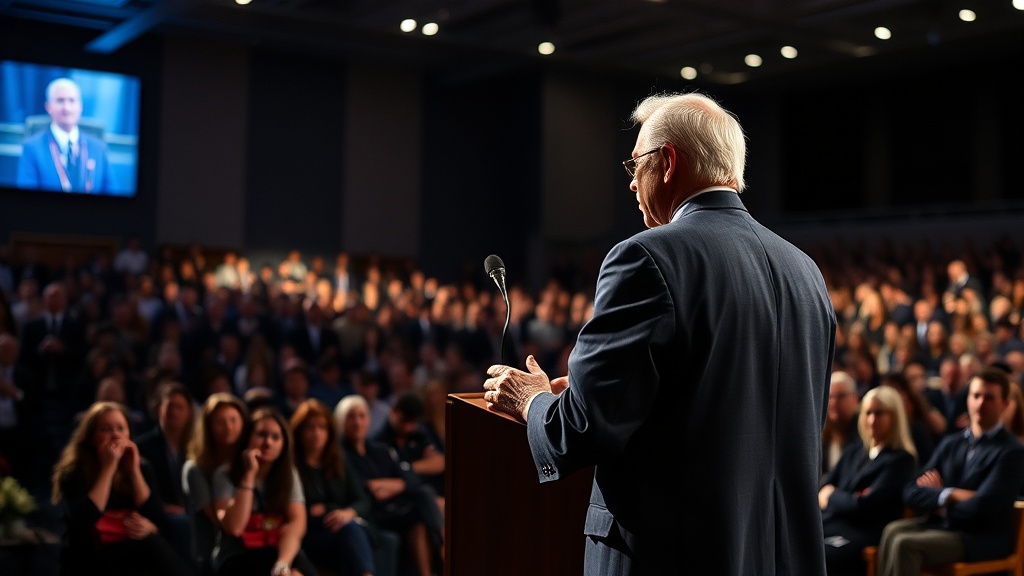
The bill, titled the "Sensitive Materials in Education Act," was introduced by Representative Jane Doe, who emphasized the need for a balanced approach to educational content in Utah’s public schools. "We must ensure that our schools are safe environments for all students, while also respecting the diversity of thought and experience in our communities," Doe stated during a press conference announcing the bill. The proposal aims to define what constitutes 'sensitive material' and provide a framework for addressing parental concerns without resorting to outright bans.
In recent years, several school districts across the nation, including those in Utah, have faced increasing pressure from parents and advocacy groups to remove certain books that they deem inappropriate for young readers. This has raised significant debate about academic freedom, censorship, and the role of public education in preparing students for a diverse society. Critics argue that blanket bans on books can stifle intellectual growth and limit students' exposure to varying perspectives, while supporters claim that certain materials can be harmful or not age-appropriate.
The proposed bill outlines a process for parents to request a review of specific materials used in classrooms, which would then be assessed by a committee consisting of educators, parents, and community members. This committee would evaluate the content based on established criteria, including educational value, age appropriateness, and sensitivity to community standards. If a book were to be deemed unsuitable, the school could either remove it from circulation or provide alternative materials for students who opt out.
Moreover, the legislation empowers the state to file lawsuits against school districts that fail to comply with the established guidelines regarding sensitive materials. This provision has raised eyebrows among some educators and administrators who worry about the implications of state intervention in local school decisions. "This could set a dangerous precedent for how local schools operate and could lead to a chilling effect on teachers who are hesitant to introduce valuable, but potentially controversial, subjects in their classrooms," warned John Smith, a veteran educator and member of the Utah Teachers Association.
The bill has sparked a wide range of reactions from stakeholders across the education sector. Supporters of the legislation argue that it provides necessary safeguards for students and parents who feel that certain materials overstep boundaries of appropriateness. They contend that the measure is not about limiting access to literature, but rather about creating a more thoughtful process for evaluating educational content.
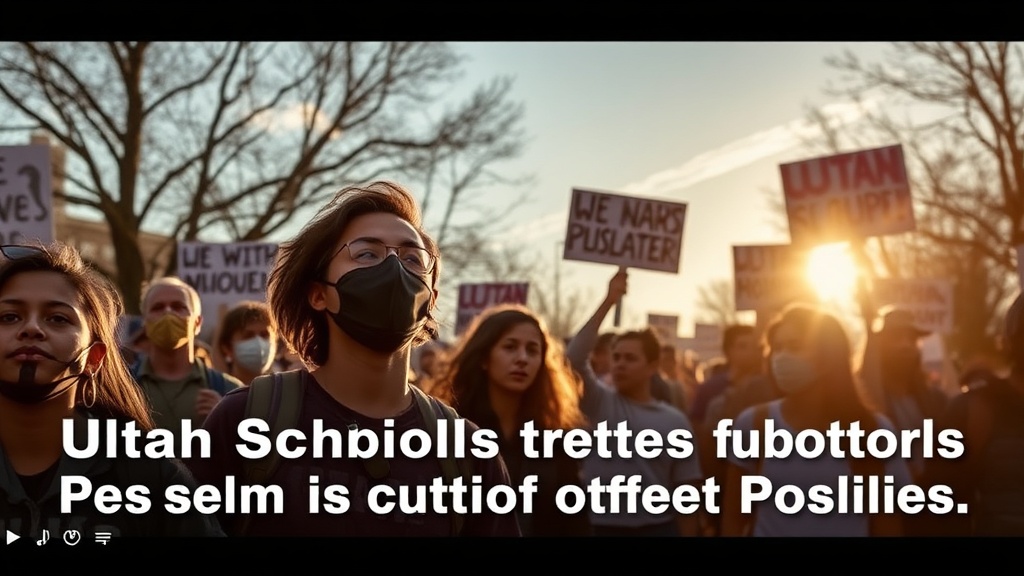
However, opponents express concern that the bill could open the door to increased censorship and limit students' access to important literary works that address complex social issues, such as race, gender, and mental health. Many educators believe that literature plays a crucial role in developing critical thinking skills and empathy among students. As such, they worry that the bill could inadvertently lead to a more sanitized educational environment.
The bill is expected to be debated extensively as it moves through the legislative process. Lawmakers will have to weigh the potential benefits of regulating sensitive materials against the risks of infringing on educational freedom and the rights of teachers to instruct students in a comprehensive manner.
As the discussion unfolds, many in the community are calling for a more inclusive dialogue that considers the perspectives of all stakeholders involved—students, parents, educators, and policymakers. "Education should be a collaborative effort, and it’s crucial that we find a way to navigate these sensitive topics without resorting to divisive measures," commented local education advocate Sarah Lee.
In summary, the introduction of the Sensitive Materials in Education Act marks a significant moment in Utah's educational policy landscape, reflecting larger national trends concerning book bans and content regulation in schools. As the bill progresses, its implications for both students and educators will continue to be closely monitored by advocates on all sides of the issue. The outcome of this legislative effort may well shape the future of educational content and the balance between protecting students and ensuring access to a broad spectrum of ideas and narratives in Utah’s public schools.