Understanding the Role of University Trustees in Utah: A Path Forward
A recent survey reveals that many Utah university trustees lack understanding of their responsibilities, prompting calls for improved training and governance.
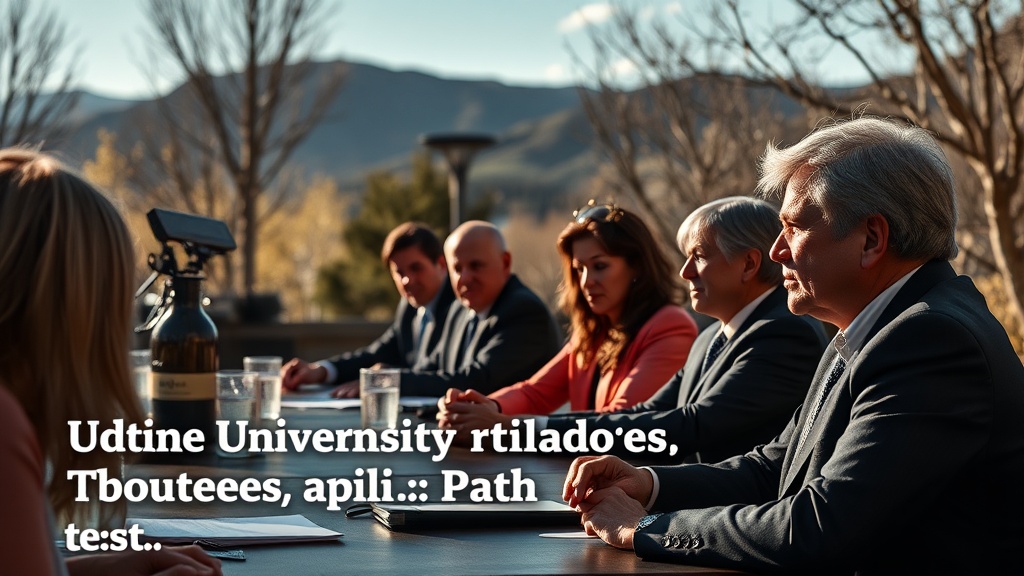
In a recent assessment, it has come to light that a significant number of university trustees across Utah are struggling to grasp the full scope of their responsibilities. This revelation raises critical questions about governance in higher education institutions and the potential implications for students, faculty, and the broader community. With the role of trustees being pivotal in shaping policy and overseeing university operations, addressing this knowledge gap could lead to more effective governance and improved educational outcomes.
The Utah System of Higher Education, which encompasses eight universities, plays a vital role in shaping the state's educational landscape. Trustees are typically appointed to provide oversight, ensure financial stability, and advocate for the institutions they serve. However, a recent survey conducted by the Utah Board of Higher Education indicated that many trustees lack a comprehensive understanding of their roles. The survey revealed that nearly 60% of respondents were unaware of key governance policies and procedures, underscoring the urgent need for enhanced training and resources.
Critics of the current trustee system argue that this disconnect can lead to insufficient oversight and ineffective decision-making. "Trustees are entrusted with the future of our universities, and if they don’t fully understand their responsibilities, the consequences can be detrimental," said Dr. Sarah Jensen, a higher education policy expert at the University of Utah. She emphasized that trustees must be well-versed in not only financial matters but also in the academic and social missions of their institutions.
One of the primary responsibilities of university trustees is to ensure the financial health of their institutions. This includes approving budgets, overseeing investments, and ensuring that resources are allocated effectively. With rising tuition costs and decreasing state funding, trustees must navigate complex financial landscapes. Yet, the survey findings indicate that many trustees feel ill-equipped to make these critical financial decisions. This lack of confidence can lead to hesitance in addressing pressing financial issues, which could ultimately affect students’ educational experiences.
Moreover, trustees are responsible for setting strategic direction and policy frameworks. As higher education faces unprecedented challenges, including shifts in student demographics, technological advancements, and evolving workforce needs, the need for informed and proactive governance is more crucial than ever. "The decisions made by trustees can have long-lasting impacts on students and the communities they serve," noted Mark Thompson, a member of the Utah Board of Higher Education. He indicated that fostering a deeper understanding of their roles could empower trustees to make decisions that align with the needs of current and future students.
In response to the survey results, the Utah Board of Higher Education is taking steps to implement a comprehensive training program for trustees. This initiative aims to provide new and existing members with the necessary tools and resources to enhance their understanding of governance, financial management, and educational policy. The program will include workshops, mentoring opportunities, and resources that cover best practices in university governance.
Additionally, the Board plans to facilitate regular meetings and discussions among trustees and university administrators. These interactions are intended to foster collaboration and ensure that trustees are well-informed about the challenges and opportunities facing their institutions. "By creating a culture of continuous learning and collaboration, we can help trustees become more effective leaders," said Board Chair Emily Roberts.
The implications of these changes could be significant. Enhanced trustee training may lead to improved oversight, more strategic decision-making, and ultimately, better outcomes for students. As trustees gain a clearer understanding of their roles, they may become more engaged in advocating for their institutions and addressing the challenges that lie ahead.
As higher education continues to evolve, the role of university trustees in Utah must adapt as well. By prioritizing education and understanding among trustees, the state can ensure that its universities are led by knowledgeable and effective governance. The future of Utah’s higher education system may depend on the actions taken today to equip its trustees with the skills and knowledge necessary for success.
In conclusion, while the current assessment of trustee understanding is concerning, it also presents an opportunity for meaningful change within Utah’s higher education system. With the implementation of targeted training and enhanced communication between trustees and university leadership, there is potential for a more robust and effective governance structure that better serves students and communities alike.