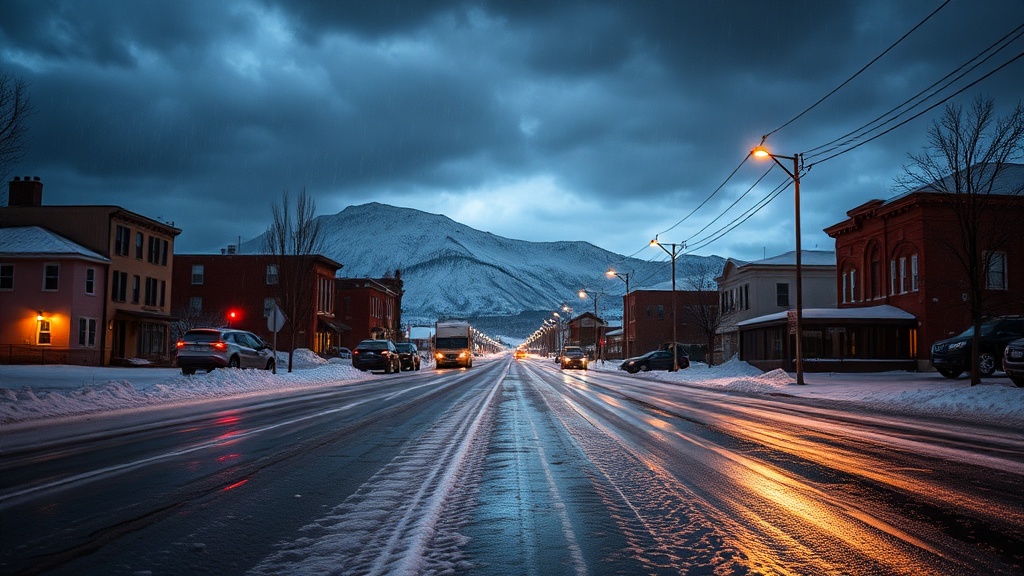
Utah to Experience Drier Conditions Before Weekend Storm Brings Rain and Snow
Utah will see drier weather Friday before a storm brings rain and snow this weekend, impacting outdoor activities and agriculture.
As the weekend approaches, residents of Utah can expect a shift in weather patterns as drier and milder conditions will sweep across the Beehive State starting Friday afternoon. This transition comes on the heels of a series of storms that have brought significant precipitation to the region in recent weeks. While Friday will offer a brief respite, meteorologists are forecasting the arrival of another storm system Saturday night, which is expected to deliver more valley rain and mountain snow into early next week.
The drier air moving in on Friday is a welcome change for many Utahns, especially those who have been dealing with the damp and chilly conditions that have dominated the area. According to the National Weather Service (NWS), this shift will result in clearer skies and milder temperatures for at least a day. "Friday afternoon should bring some sunshine and a break from the rain, allowing residents to enjoy outdoor activities before the next storm rolls in," said meteorologist Sarah Thompson from the NWS.
The dry spell, however, is expected to be short-lived. As night falls on Saturday, a new weather system will begin to move into the area, bringing with it the potential for more precipitation. The NWS has indicated that this storm could result in widespread valley rain across the state, particularly in lower elevations, while the higher elevations, including the Wasatch Mountains, may see a fresh layer of snow. This is particularly significant for ski resorts, which have been eagerly anticipating snowfall to enhance conditions for skiers and snowboarders.
"The storm should start to impact the region late Saturday night, and we’re expecting it to last into Monday morning," Thompson added. "Snow levels will likely rise and fall throughout the event, which means that some areas could see rain while others may receive snow, depending on their elevation."
Weather models suggest that valley locations, such as Salt Lake City, could receive between half an inch to an inch of rain, while mountain areas could see snow accumulations ranging from 6 to 10 inches, especially at higher elevations. These amounts could vary based on precise storm track and intensity, which meteorologists will continue to monitor closely.
The anticipated rainfall comes as a relief for many residents who rely on Utah's water supply, which is critical for agriculture and reservoir levels. With the state facing ongoing drought conditions in certain areas, every drop of rain counts. Local farmers are particularly hopeful that the precipitation will assist in replenishing soil moisture levels, crucial for their crops as the growing season approaches.
However, the weather predictions also bring concerns, particularly regarding potential flooding in low-lying areas and along riverbanks. The NWS has issued advisories for urban flooding, especially in regions that have recently experienced heavy rainfall. "Residents should remain vigilant and be prepared for possible localized flooding, particularly in areas with poor drainage," Thompson warned. "It’s essential to stay informed about weather updates and heed any local advisories."
As the storm approaches, emergency management officials are urging residents to take precautions. They recommend that people avoid driving through flooded roads and ensure that drainage systems around their homes are clear of debris to help mitigate flooding risks. Additionally, those living near rivers or streams should be aware of rapidly changing water levels and potential hazards.
In conclusion, while residents can enjoy a brief period of drier weather on Friday, it is crucial to prepare for the impending storm system that is set to arrive over the weekend. With both valley rain and mountain snow on the horizon, the upcoming weather events hold significance not only for recreational activities but also for agricultural and water management in the state. As Utahns brace for the return of precipitation, staying informed and prepared will be key to navigating the changing weather conditions ahead.