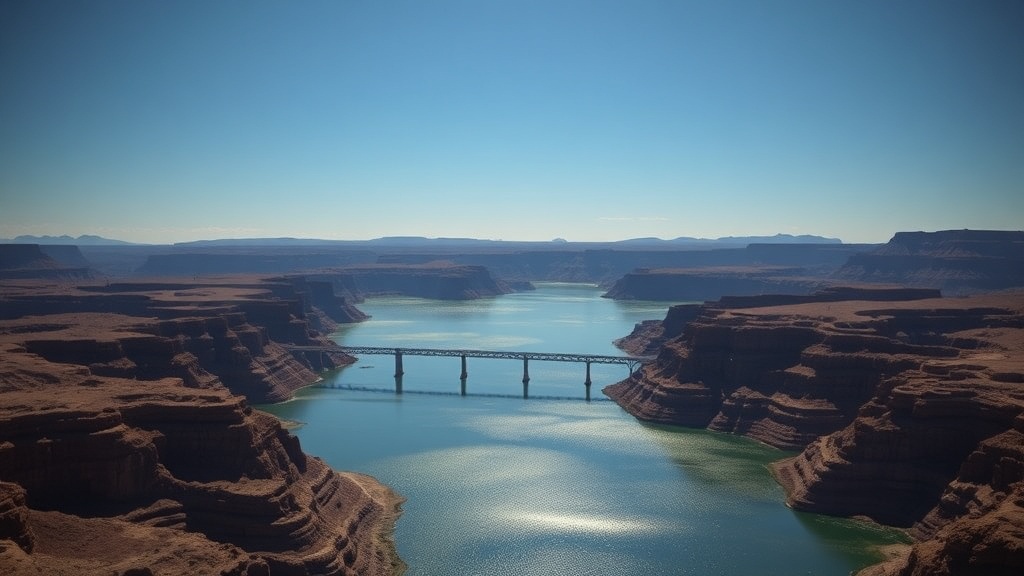
Utah's Groundwater Crisis: The Hidden Costs of Water Mining
Utah faces a groundwater crisis as reliance on ancient water reserves grows, prompting urgent calls for sustainable management.
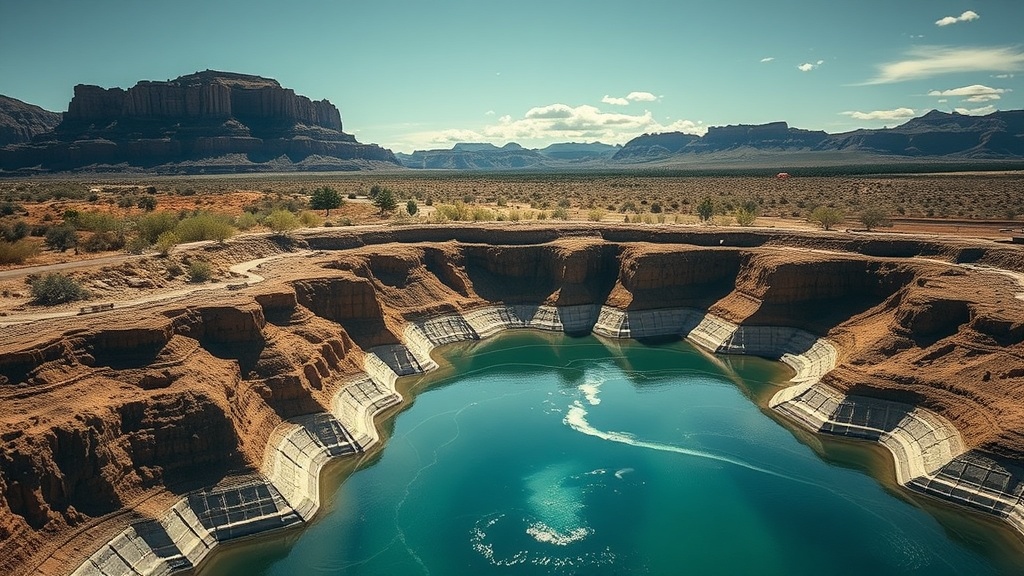
In the arid landscapes of Utah and the broader Great Basin region, the quest for water has taken on alarming dimensions. As traditional sources of surface water dwindle, the state's reliance on groundwater has intensified, leading to a crisis that mirrors the historical rush for precious metals like silver. Over the past few decades, the depletion of groundwater aquifers—often referred to as 'mining' for water—has raised concerns about sustainability and the future of agricultural and municipal water supplies.
Utah's groundwater is primarily replenished by snowmelt from the high mountains, but this natural cycle is increasingly under threat. Reports indicate that many basin fill aquifers across the state are in decline due to excessive pumping that far exceeds the natural recharge rates from seasonal snowpack. As groundwater levels drop, communities are forced to dig deeper wells and invest in larger pumps to access ancient water reserves, some of which date back to the last ice age, 50 million to 300 million years ago. This water, referred to as 'fossil water,' is finite and cannot be replenished.
The complexities of Utah’s geological formations further complicate the situation. Municipal wells in areas like Park City extract water from fractured rock formations, including the Keetley volcanics and Park City limestone. These formations can create challenges for water flow, making it difficult for municipalities to secure reliable water supplies. According to recent studies, the geological structure of the region means that groundwater is highly compartmentalized, leading to significant disparities in water availability across different areas.
Despite ongoing urban development and population growth in cities like Park City, the available local groundwater is insufficient to meet demand. The recent construction of a $100 million mine-water treatment plant reflects the urgent need to augment water supplies as municipalities struggle to keep pace with increasing consumption. The demand for water has shifted significantly—from agricultural to municipal use—highlighting the urgent need for a re-evaluation of water management policies in the state.
Climate change poses an additional threat to Utah's water resources. With projections indicating prolonged drought conditions, water scarcity has become a pressing concern for both urban and rural communities. The Colorado River and the Great Salt Lake are also experiencing significant stress due to overuse of both surface and groundwater, exacerbating the overall crisis. The state has historically regulated surface water since 1903 and groundwater since 1935, but critics argue that these regulations have not been enough to prevent over-allocation and unsustainable practices.
The issue of groundwater management in Utah is not isolated; it reflects broader trends across the western United States. For instance, California has only recently begun to regulate its groundwater resources in response to similar crises, but many believe that the timelines given to users for compliance are inadequate. In Texas, where groundwater rights are largely unregulated, landowners continue to extract resources without consideration for long-term sustainability.
The implications of over-pumping are severe. Aquifer depletion can lead to land subsidence, reduced water quality, and a host of ecological consequences. As the Ogallala aquifer faces depletion at rates two to three times faster than its recharge, the future of agriculture in the Great Plains is uncertain. Experts warn that this could lead to a significant shift in farming practices, possibly favoring crops and livestock that are more resilient to water scarcity.
In Utah, the challenge remains to balance development with sustainable water management. Local leaders and policymakers are called upon to empower regulatory bodies to enforce stricter guidelines on groundwater usage, ensuring that the needs of future generations are met. Without proactive measures, the trend of mining groundwater could continue unchecked, jeopardizing not only local communities but also ecosystems that depend on these vital resources.
As Utah grapples with its water crisis, it is crucial for residents and leaders alike to recognize the urgent need for responsible management of this finite resource. The ongoing depletion of groundwater serves as a stark reminder that sustainable practices are not just beneficial—they are essential for the survival of both communities and the natural environment. The call for conservation and responsible use of water resources grows louder, urging everyone to think globally while acting locally, to safeguard this precious commodity for the future.
Matthew Lindon, a Snyderville resident and advocate for sustainable water practices, emphasizes that the time for action is now. With the intersection of climate change, population growth, and resource depletion, the stakes have never been higher for Utah’s water supply, necessitating a collective effort to rethink how we manage and utilize this critical resource.