Utah Senators Reject Resolution to Curb Trump's Military Actions in Venezuela
Utah's Senators Lee and Romney oppose resolution limiting Trump's military actions in Venezuela, sparking debate on Congressional oversight.
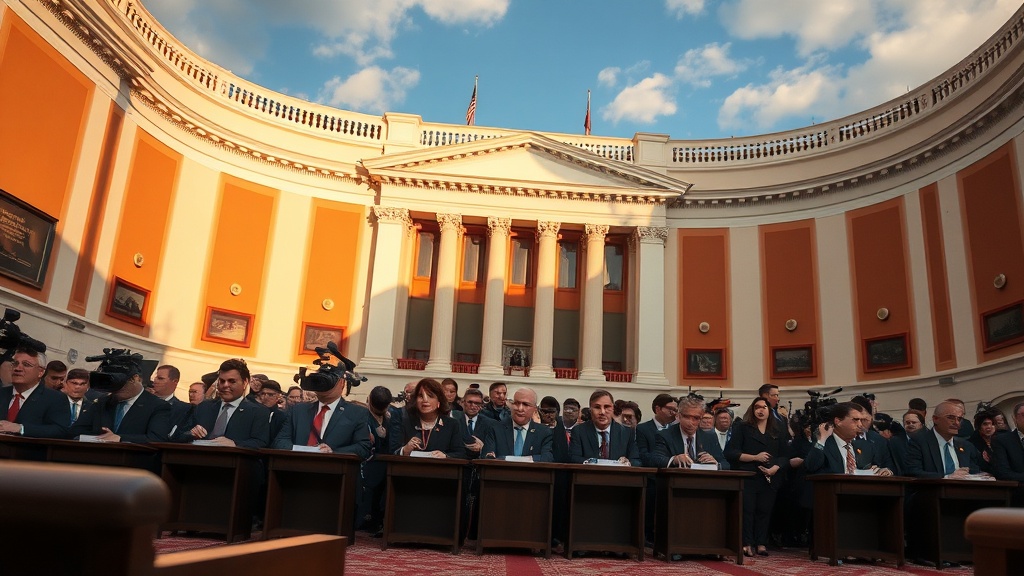
In a significant political move, Utah's two U.S. senators, Mike Lee and Mitt Romney, cast their votes against a resolution aimed at limiting President Donald Trump's military actions in Venezuela. The resolution, proposed to ensure that any further military intervention in the crisis-stricken South American country would require Congressional approval, highlights the ongoing debate over executive power in matters of foreign intervention. This vote comes amid escalating tensions in Venezuela, where a humanitarian crisis has prompted discussions about international intervention and the role of U.S. military forces.
The resolution, which was introduced by Senator Tim Kaine, a Democrat from Virginia, aimed to reinforce the principle that Congress holds the power to declare war, as outlined in the U.S. Constitution. With the Venezuelan government facing increasing internal strife and opposition led by interim president Juan Guaidó, lawmakers have been divided over the appropriate response from the United States. Advocates of the resolution argue that a clear directive from Congress is essential to avoid any unauthorized military engagements that could lead to a prolonged conflict.
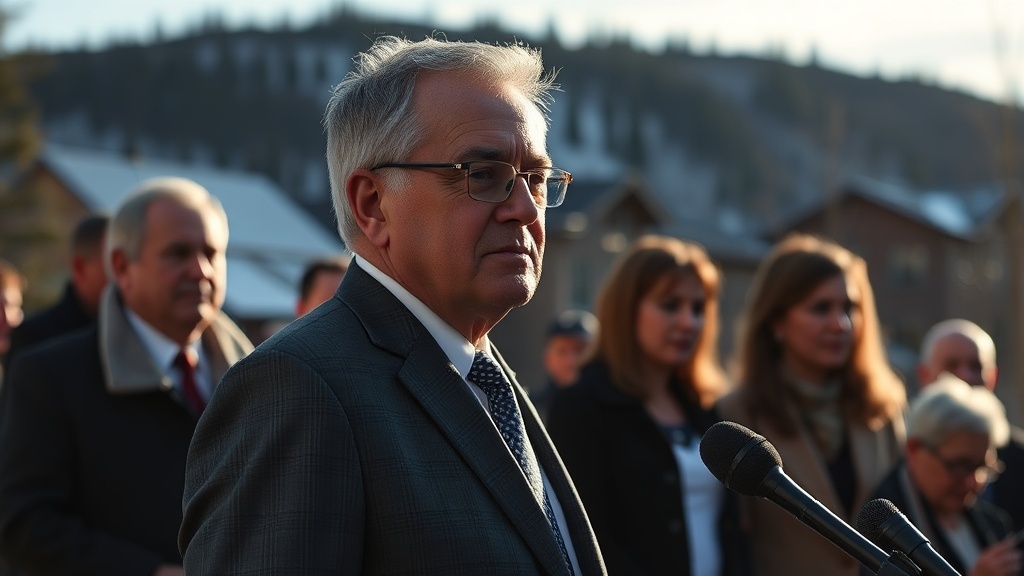
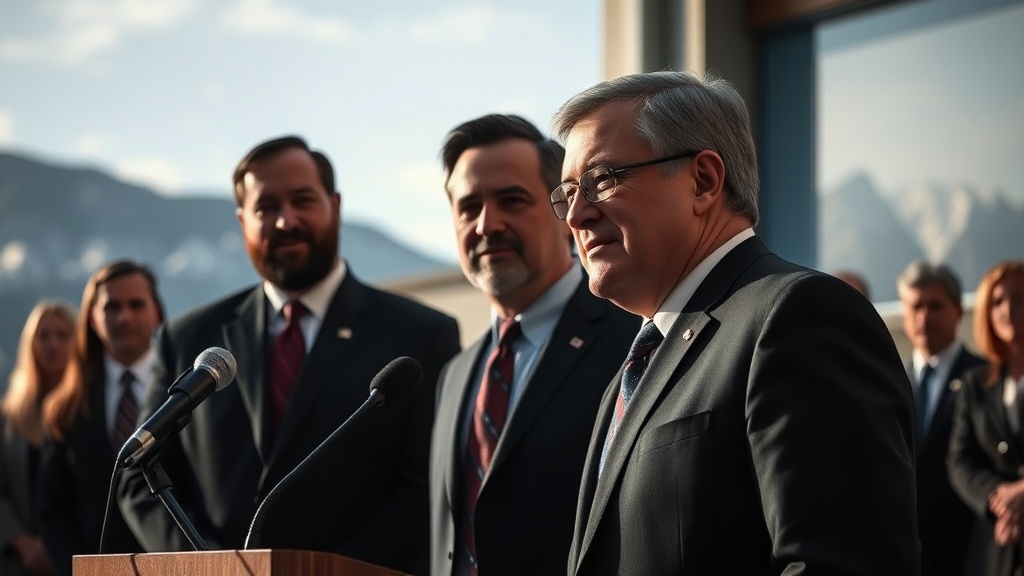
Senator Mike Lee, a Republican known for his strict interpretation of the Constitution, defended his vote against the resolution by stating that the U.S. needs to maintain flexibility in its foreign policy decisions. "In situations like that of Venezuela, where the humanitarian crisis is dire and the threat of regional destabilization looms, it is crucial that the president has the ability to act swiftly and decisively," Lee remarked during a press briefing following the vote. His stance reflects a broader belief among some Republicans that the executive branch should retain the authority to respond to emergencies without waiting for Congressional approval.
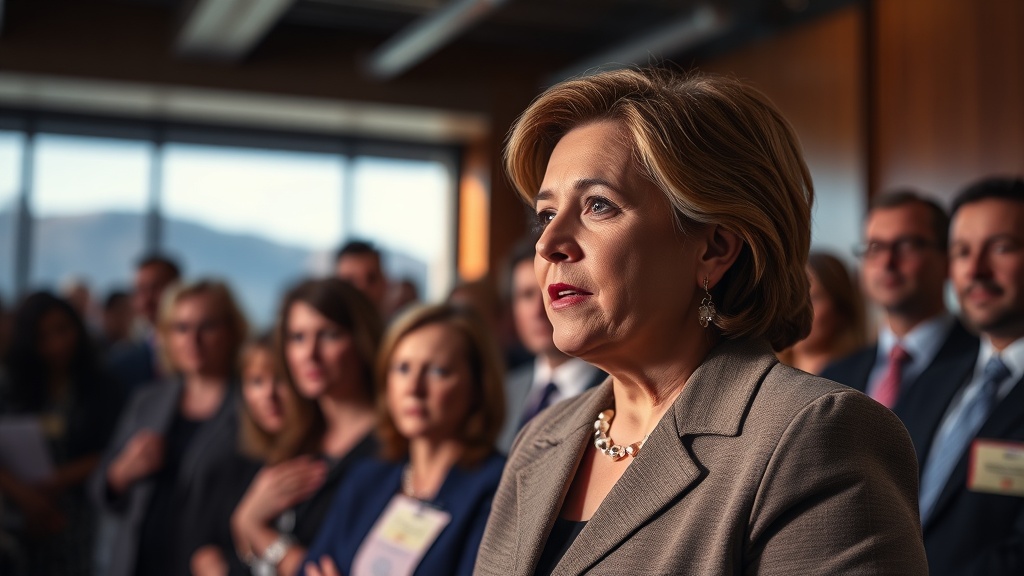
In contrast, Senator Mitt Romney, who has occasionally diverged from his party's mainstream views, echoed concerns about the potential for unchecked military action. However, he also emphasized the need for a careful approach to foreign policy that balances the urgency of humanitarian concerns with the necessity of Congressional oversight. "While I believe in a robust response to the crisis in Venezuela, I also believe we must be cautious about overstepping our bounds and engaging in military action without the checks and balances that Congress provides," Romney stated.
The vote drew a mixed response from various advocacy groups and political analysts. Organizations focused on foreign policy and human rights expressed disappointment over the senators' decisions, arguing that a lack of Congressional oversight could lead to a dangerous precedent. "The situation in Venezuela is complex, and without Congressional input, we risk repeating past mistakes of intervention without clear objectives or exit strategies," said a representative from a prominent human rights organization.
As the humanitarian situation in Venezuela continues to deteriorate, with millions fleeing the country amid food shortages and political repression, the urgency for a coordinated international response grows. The U.S. has been actively involved in diplomatic efforts to support Guaidó and has imposed sanctions on the Maduro regime, yet the question of military intervention remains contentious.
The implications of the senators' votes could resonate beyond just the immediate situation in Venezuela. Analysts suggest that this decision may influence how future Congresses approach the balance of war powers with the presidency, particularly as global conflicts evolve. The ongoing debate underscores a critical tension between the need for a rapid response to international crises and the foundational principle of Congressional oversight in military engagements.
In light of this vote, observers are left to ponder how the situation in Venezuela will unfold and what role, if any, the U.S. will play in shaping its future. As the crisis deepens, the call for a comprehensive strategy that considers both humanitarian assistance and diplomatic solutions becomes increasingly vital. The votes from Utah's senators illustrate the complexities of foreign policy decision-making in a polarized political environment, where differing viewpoints on the use of military force continue to shape legislative outcomes.
In conclusion, while Utah's senators voted against the resolution, the broader conversation about the role of Congress in military decision-making is far from over. With the crisis in Venezuela continuing to pose challenges, the need for an informed, balanced approach to U.S. foreign policy remains critical. The outcome of this debate will likely influence how future administrations navigate the intricacies of military intervention and international relations, particularly in regions facing turmoil and humanitarian crises.