Utah Senator Mike Lee Responds to Capture of Venezuelan President Maduro
Utah Senator Mike Lee discusses the U.S. arrest of Venezuelan President Nicolás Maduro, highlighting its implications for democracy and foreign policy.
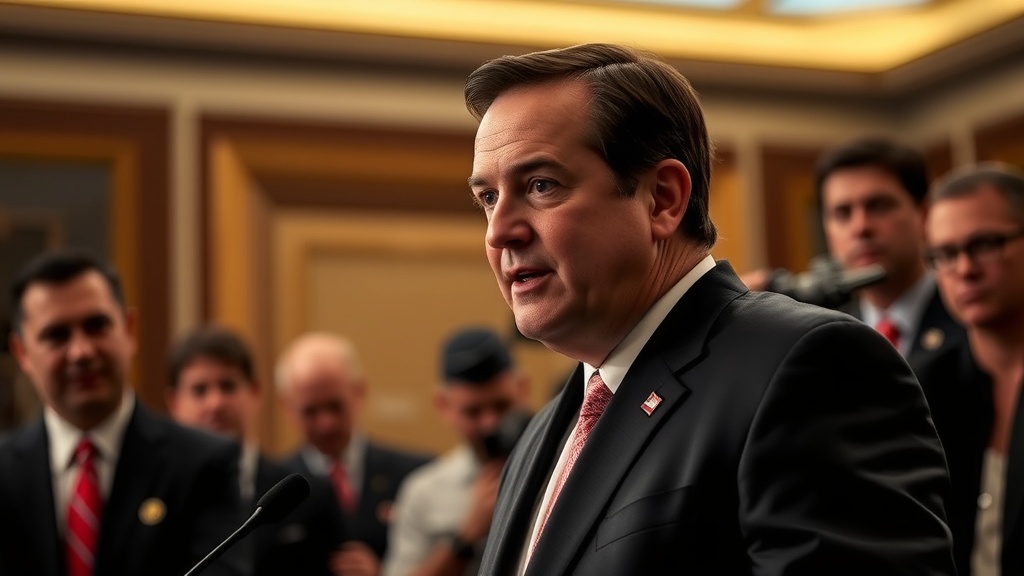
In a significant geopolitical development, Utah Senator Mike Lee has emerged as one of the first political leaders from the state to publicly address the recent capture and arrest of Venezuelan President Nicolás Maduro by United States authorities. This unprecedented action marks a pivotal moment in U.S.-Venezuelan relations and has ignited discussions on both domestic and international fronts. The implications of this event extend far beyond the borders of Venezuela, particularly considering the historic context of U.S. involvement in Latin America.
Senator Lee, a Republican known for his strong stance on foreign policy and national sovereignty, expressed his views during a press conference held at the Salt Lake City office. “The capture of Nicolás Maduro is a decisive step towards restoring democracy in Venezuela,” Lee stated. “For years, the Venezuelan people have suffered under his oppressive regime, and this action by the United States signals our commitment to supporting freedom and democracy not just in Venezuela, but across the region.” His comments reflect a broader bipartisan sentiment among U.S. lawmakers who have long criticized Maduro’s authoritarian rule and human rights abuses.
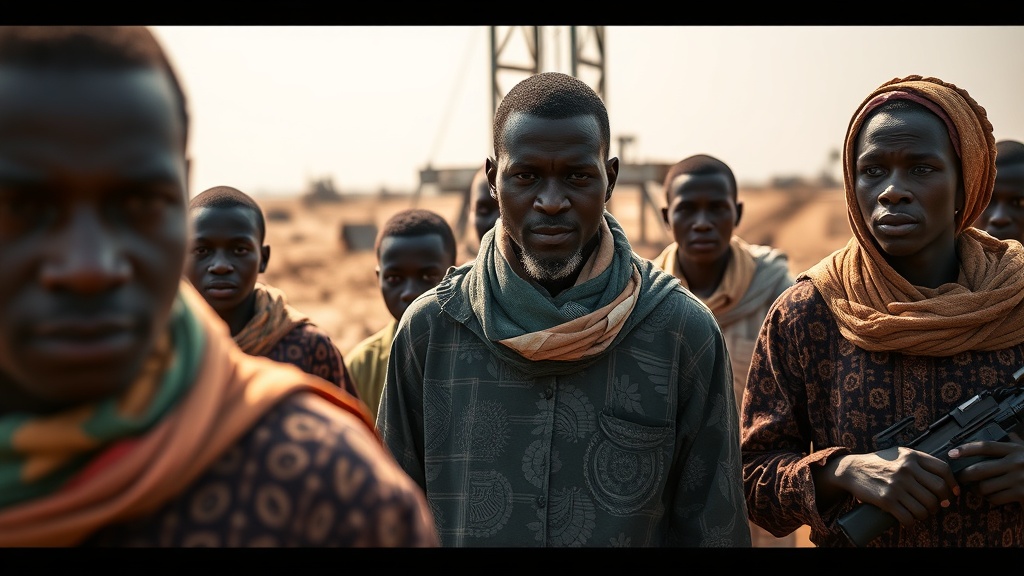
Maduro has been a controversial figure on the global stage, accused of widespread corruption, economic mismanagement, and severe human rights violations. Since taking office in 2013, the Venezuelan economy has collapsed, leading to hyperinflation, food shortages, and mass emigration. The U.S. government has imposed numerous sanctions against Maduro and his inner circle over the years, labeling him a dictator and calling for his removal.
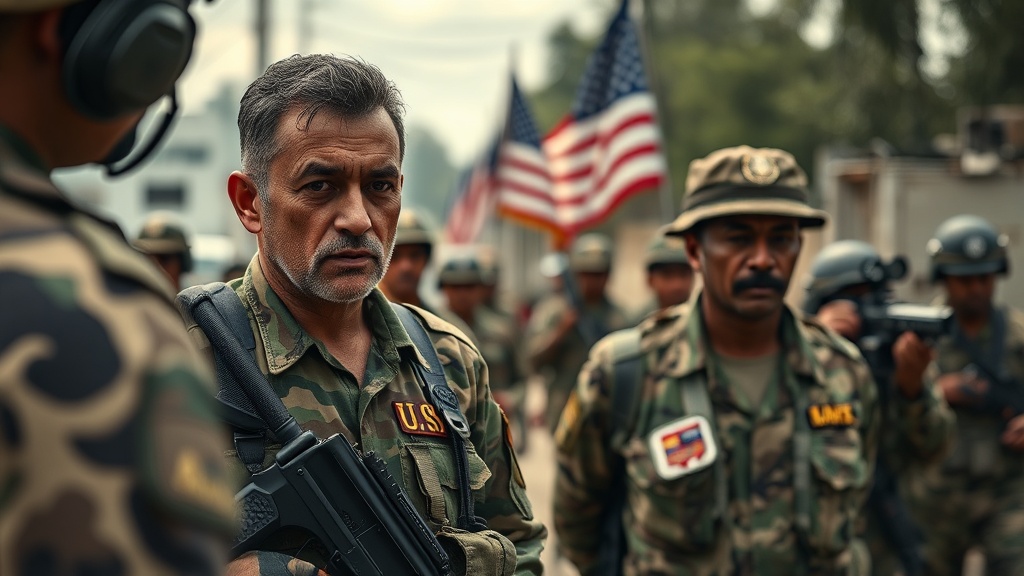
The arrest occurred amid an intensified effort by U.S. authorities to hold Maduro accountable for alleged drug trafficking and other criminal activities. According to reports from the U.S. Department of Justice, Maduro was indicted on charges related to narco-terrorism and conspiracy to distribute cocaine. The arrest signals a new chapter in U.S. efforts to address drug trafficking emanating from Venezuela, which has been a significant concern for law enforcement and public health officials in the United States.
The timing of Maduro's capture is particularly critical, as it coincides with ongoing discussions about U.S. foreign policy in Latin America. Analysts suggest that this development could alter the dynamics of regional politics. “The capture of Maduro could embolden opposition movements throughout Latin America,” explained Dr. Maria Gonzalez, a political science professor at the University of Utah. “It also raises questions about how other countries in the region, especially those aligned with Maduro, will respond.”
In addition to local and national implications, Maduro’s capture has sparked international reactions. Countries such as Russia and China, which have historically supported the Venezuelan government, expressed outrage at the U.S. action. Russian officials labeled the arrest a violation of international law, while Chinese state media warned of potential repercussions for U.S. relations with Latin America.
In Utah, reactions to Lee’s comments have been mixed. While many constituents support the senator’s stance on promoting democracy, others caution against U.S. interventionism in foreign affairs. Local activist groups have urged for a diplomatic approach rather than military or coercive measures. “While we support the Venezuelan people, we need to be careful not to repeat past mistakes of intervention that can lead to further instability,” said Elena Rios, a member of the Utah Peace Coalition.
As news of Maduro’s arrest continues to unfold, both Senator Lee and other state leaders are likely to face increasing pressure to articulate their positions clearly. The capture raises complex questions about U.S. involvement in Latin America, the future of Venezuela, and what steps will be taken to ensure a transition to democracy.
In conclusion, the arrest of Nicolás Maduro represents a watershed moment for U.S.-Venezuelan relations and challenges Utah leaders to consider their roles in shaping the future of democracy in the region. As the situation continues to develop, the focus will remain on how the U.S. government, alongside international partners, will navigate the complexities of this significant geopolitical event. With Senator Lee taking a leading role in articulating the U.S. position, Utahns will be watching closely to see how this situation unfolds and what implications it holds for democracy both in Venezuela and across Latin America.