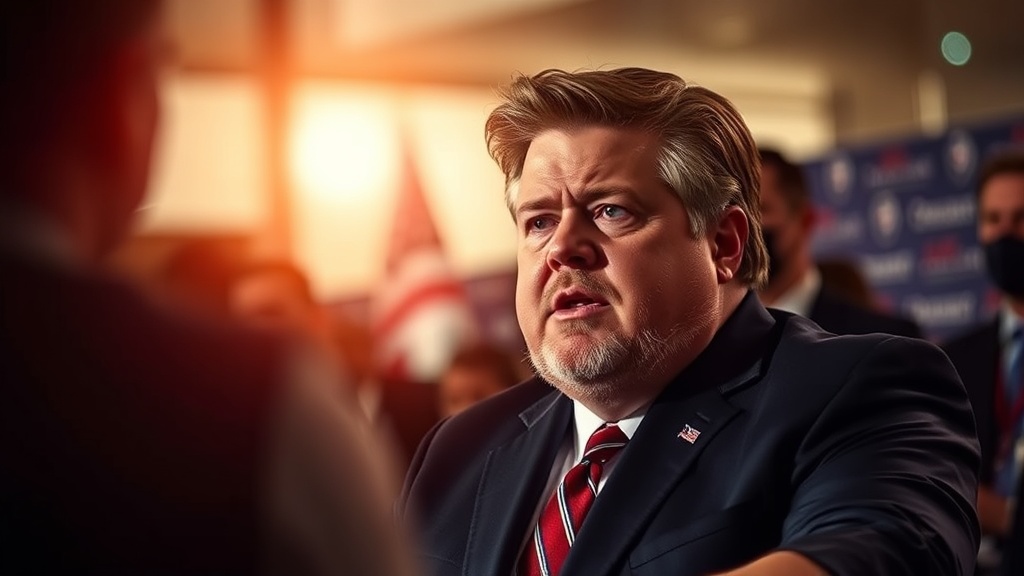
Key Political Events Shaping Utah in 2025: Kirk's Assassination and Redistricting Fights
In 2025, Utah politics was shaped by Charlie Kirk's assassination and intense redistricting battles, highlighting deep divisions and challenges.
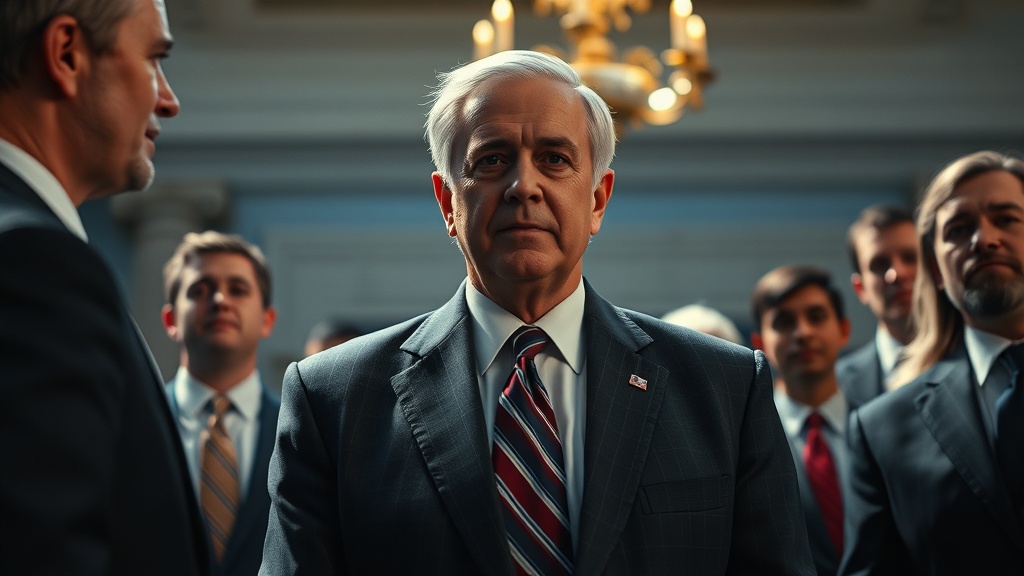
In 2025, Utah's political landscape was significantly shaped by tragic events and contentious legislative battles. The assassination of prominent conservative figure Charlie Kirk sent shockwaves through the state, igniting debates over political polarization and safety. Concurrently, fierce disputes over congressional redistricting revealed deep divisions among lawmakers, underscoring the ongoing struggle for power and representation in Utah's political arena.
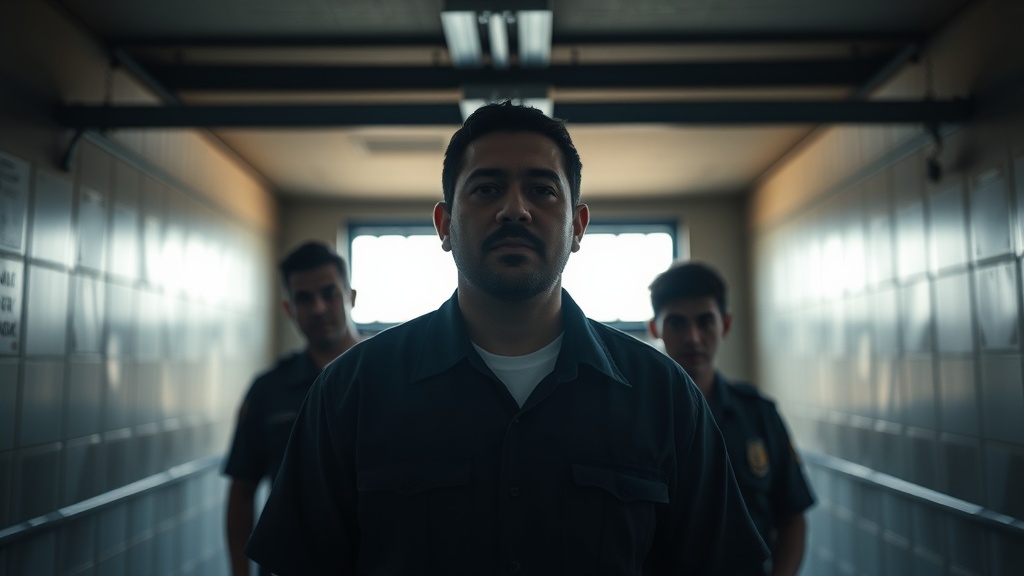
Charlie Kirk, a well-known conservative activist and founder of Turning Point USA, was assassinated in a shocking act of violence that left both supporters and critics grappling with the implications. The incident occurred during a speaking engagement in Salt Lake City, where Kirk was addressing a crowd of enthusiastic supporters. Eyewitnesses reported a chaotic scene as shots rang out, leading to immediate panic among attendees. Law enforcement quickly apprehended a suspect, a 32-year-old man with a history of anti-establishment rhetoric.
The aftermath of Kirk's assassination prompted widespread discussions about political extremism and safety for public figures. Utah Governor Spencer Cox expressed his condolences, stating, "This is a tragic reminder of how divisive our political climate has become. We must come together to ensure the safety of all individuals, regardless of their political beliefs." The incident stirred national conversations about the challenges facing public discourse and the growing concern about the safety of political figures, particularly in an increasingly polarized environment.
As investigations into the assassination unfolded, political analysts highlighted how Kirk's death could influence the upcoming election cycle in Utah. Many speculated that Kirk’s supporters might rally around his legacy, potentially galvanizing the conservative base. Conversely, critics warned that the event could further entrench divisions, leading to heightened tensions among political factions.
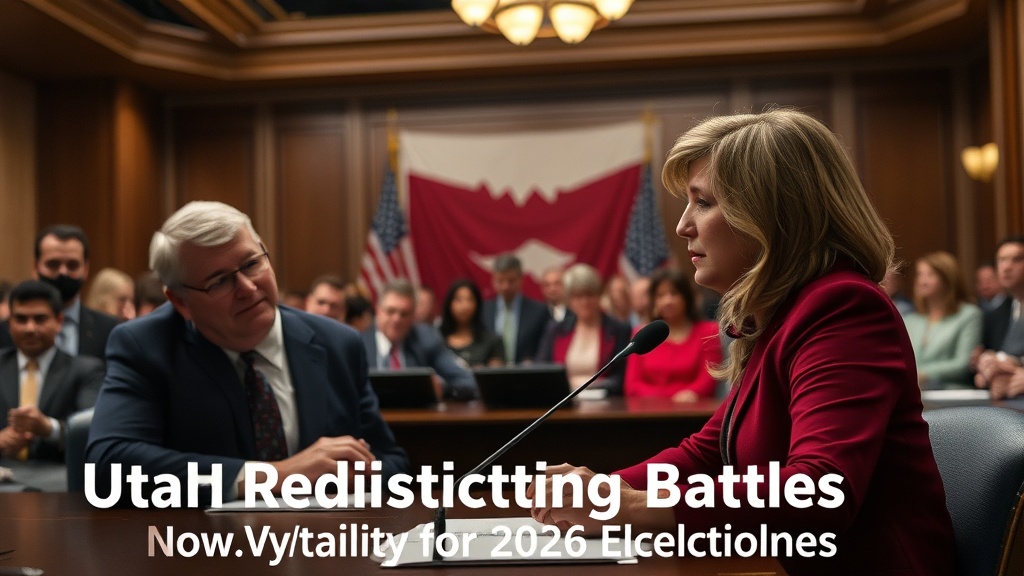
In parallel to this tragedy, Utah lawmakers found themselves embroiled in a heated battle over redistricting. Following the 2020 Census, the state gained an additional congressional seat, prompting a contentious fight over how to draw the new district lines. The redistricting process, which occurs every ten years, is critical as it can significantly affect political representation in Congress.
The Utah Legislature, controlled by a Republican supermajority, faced pushback from Democrats and advocacy groups who argued that the proposed maps would dilute the voices of minority communities and urban voters. Critics highlighted that certain proposals appeared to favor Republican incumbents, raising concerns about fairness and transparency in the redistricting process.
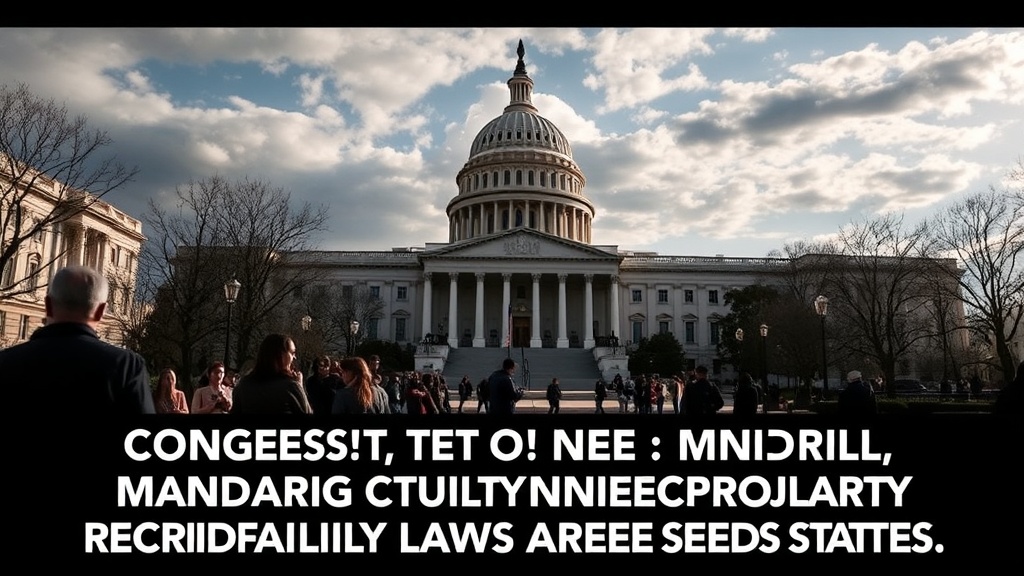
“Redistricting should reflect the diversity of our state, not entrench the power of one party,” said Rep. Angela Romero, a Democrat from Salt Lake City. Tensions escalated during legislative sessions, with passionate speeches and protests occurring outside the Capitol building. Advocates for fair representation rallied, urging lawmakers to prioritize community needs over partisan interests.
Despite the controversies, the redistricting process continued, with lawmakers ultimately passing a map that many believed favored Republicans. The final map was met with mixed reactions, as some praised its adherence to traditional districting principles while others condemned it as a blatant attempt to manipulate electoral outcomes.
As the year progressed, the implications of both the assassination and the redistricting battles became increasingly apparent. Candidates emerged for the upcoming elections, utilizing the emotional backdrop of Kirk’s death and the contentious redistricting debates to shape their platforms. The political climate in Utah appeared charged, with candidates from both sides of the aisle leveraging these events to galvanize their respective bases.
Looking ahead, political analysts predict that the fallout from Kirk's assassination will continue to resonate in Utah's political discourse. The tragedy has served as a stark reminder of the challenges faced by politicians and activists alike, reinforcing the need for a more civil and respectful dialogue among differing political ideologies. Meanwhile, the consequences of the redistricting process will likely be felt in the upcoming elections, as stakeholders assess the impacts on representation and voter engagement.
In conclusion, the events of 2025 have marked a tumultuous chapter in Utah's political history. The assassination of Charlie Kirk and the fierce battles over redistricting have underscored the complexities of contemporary governance, revealing both the vulnerabilities and strengths of the state's political framework. As Utah navigates these challenges, the focus will remain on fostering a more inclusive and respectful political environment moving forward.