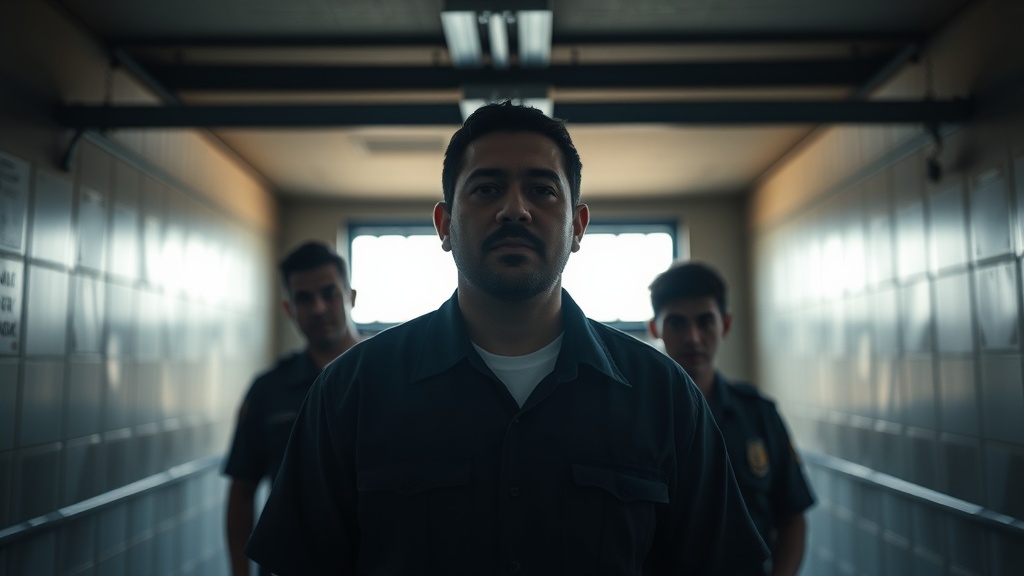
Trump's Operation to Capture Maduro: A Historic Move in Global Politics
President Trump's operation to capture Maduro sends shockwaves globally, reshaping U.S.-Venezuela relations and raising geopolitical concerns.
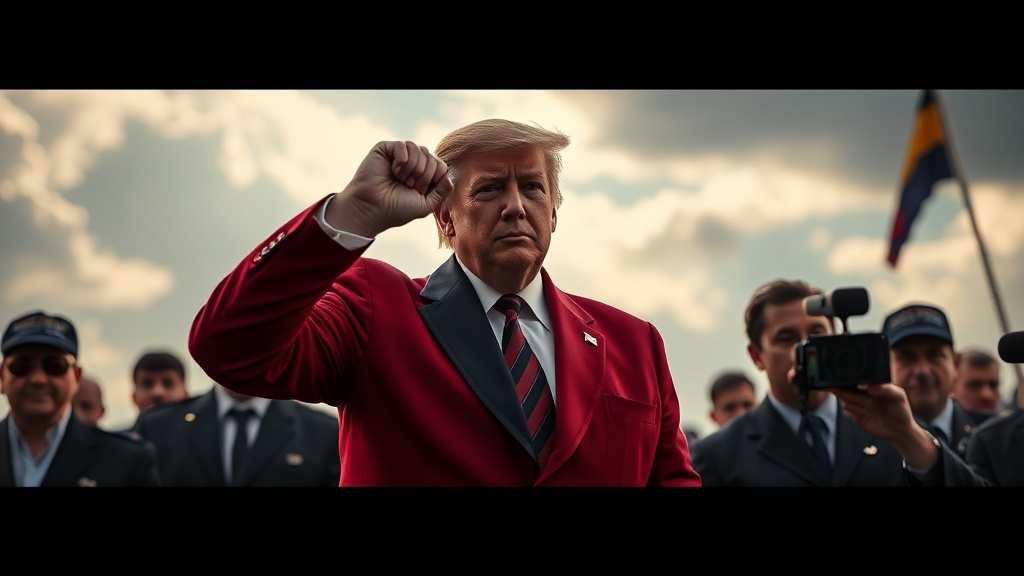
In a dramatic turn of events that has reverberated across the globe, President Donald Trump announced the successful capture of Venezuelan President Nicolás Maduro in a large-scale military operation. The operation, which took place in the early hours of Saturday, involved over 150 U.S. aircraft and marked a significant escalation in U.S. foreign policy towards Venezuela, a country that has faced intense political turmoil and economic crisis in recent years.
According to sources within the U.S. government, the operation was meticulously planned and executed, with intelligence gathered over several months leading to the decisive action. Reports indicate that Maduro and his wife, Cilia Flores, were apprehended without incident, and both are now facing multiple charges in the Southern District of New York, including drug trafficking and corruption.
This bold action comes in the wake of increasing tensions between the U.S. and Venezuela, particularly regarding Maduro’s controversial leadership and his government's connection to drug cartels. The Venezuelan president has been accused of running a narco-state, and the U.S. had previously issued a $15 million bounty for his capture. The operation's success was celebrated in Washington as a pivotal victory in the fight against drug trafficking and authoritarianism in Latin America.
In the hours following the operation, President Trump addressed the nation from the White House, praising the bravery of the U.S. military and intelligence personnel involved. "This operation is a clear message that the U.S. will not tolerate tyranny and will take decisive action to protect democratic ideals around the world," Trump stated. The president's remarks were met with a mixture of applause and skepticism, especially from international observers who questioned the legality and ethics of such a military intervention.
The implications of this operation are vast and complex. Analysts suggest that Maduro’s capture could destabilize the already fragile political situation in Venezuela, which has been plagued by widespread protests, economic collapse, and humanitarian crises. With Maduro gone, there is speculation about who might fill the power vacuum and whether the opposition, led by Juan Guaidó, could take control of the government. Guaidó, who declared himself interim president in early 2019, has received backing from the U.S. and several other nations, but his ability to govern effectively remains uncertain.
Moreover, the operation raises questions about U.S. foreign policy in Latin America, particularly regarding the use of military force to achieve political ends. Critics of the Trump administration have voiced concerns that this operation could set a dangerous precedent, leading to further military interventions in sovereign nations under the guise of promoting democracy. The U.S. has a long history of involvement in Latin American politics, often with contentious outcomes.
International reaction to the operation has been swift. Leaders from several countries, including Russia and China, denounced the U.S. action as an act of aggression and a violation of Venezuelan sovereignty. Russia’s foreign ministry issued a statement condemning the operation, calling it a “dangerous escalation” that could lead to further conflict in the region. Meanwhile, the United Nations has called for calm and urged all parties to engage in dialogue to resolve the ongoing crisis in Venezuela.
As the world grapples with the fallout from this unprecedented operation, many are left wondering about the future of Venezuela and the broader implications for U.S.-Latin American relations. The humanitarian situation in Venezuela remains dire, with millions facing food shortages and lack of access to basic services. The U.S. has previously committed to providing humanitarian aid to the country, but the recent military action complicates the landscape and may hinder efforts to deliver much-needed assistance.
In conclusion, President Trump’s operation to capture Nicolás Maduro marks a historic moment in U.S. foreign policy, highlighting the complexities and challenges of international relations today. As the situation unfolds, the world watches closely to see how this bold move will impact not only Venezuela but the entire region. With a delicate balance of power now in flux, the focus will inevitably shift to rebuilding and reconciling a nation that has been torn apart by years of crisis, while also addressing the broader geopolitical ramifications of U.S. interventionism.