Utah Schools Face Challenges: A Call for Community Support and Improvement
Utah schools are facing significant challenges, necessitating increased funding and community support for improvement.
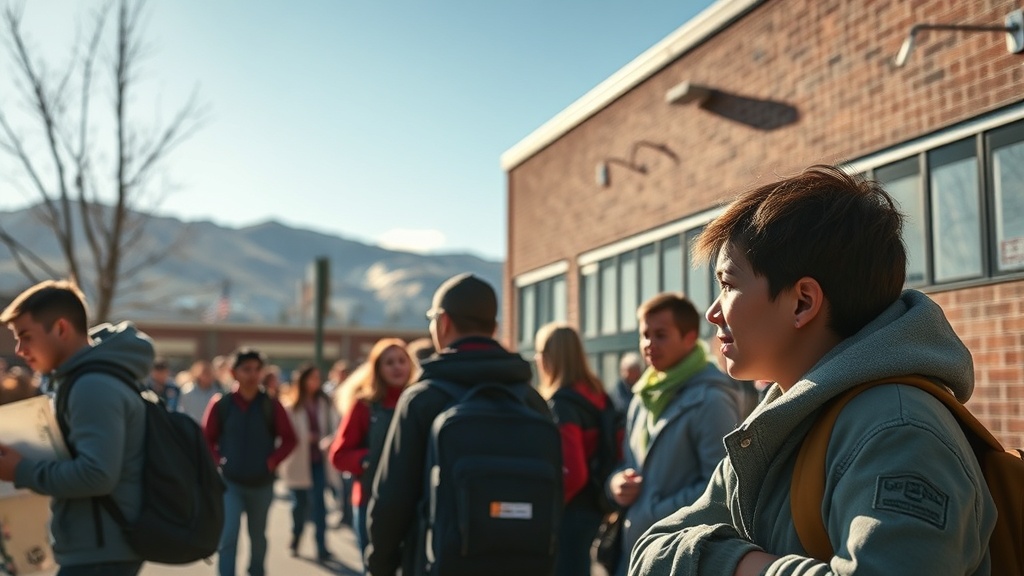
Utah's educational system is at a critical juncture, grappling with a variety of challenges that have led to calls for significant reform and community involvement. Recent reports indicate that despite the state's booming economy and increasing population, Utah schools are struggling to meet the needs of their students effectively. This situation necessitates a collective effort from both state officials and community members to enhance educational outcomes and ensure that every child has access to a quality education.
In recent years, Utah has seen a significant influx of students, which has put immense pressure on the school system. According to the Utah State Board of Education, enrollment in public schools has increased by over 20% in the last decade. This growth has outpaced the capacity of many schools, leading to overcrowded classrooms and stretched resources. Educators and administrators are finding it increasingly difficult to provide personalized attention to each student, a critical component for effective learning.
Moreover, the funding for Utah schools has not kept pace with these demographic changes. Although the state has made strides in increasing education funding, many schools continue to operate with limited budgets. A report from the Utah Education Association highlights that the state ranks 48th in the nation for per-pupil spending, which exacerbates existing inequalities. Teachers are often forced to spend their own money on classroom supplies, and essential programs in arts, music, and physical education are frequently cut due to budget constraints.
The implications of these funding challenges are profound. Research consistently shows that adequate funding is linked to student achievement. Schools that are underfunded struggle to attract and retain high-quality teachers, which can lead to higher turnover rates and a less experienced workforce. "When teachers leave due to burnout or lack of support, students lose consistency in their education," explains Dr. Linda Hall, an education policy expert at the University of Utah. "This instability can significantly impact student performance and overall school morale."
In response to these challenges, several school districts across the state are initiating innovative programs aimed at enhancing educational quality. For example, the Salt Lake City School District has implemented a mentorship program that pairs experienced teachers with new educators, providing support and guidance to help them navigate the challenges of the classroom. Additionally, some schools are turning to community partnerships to supplement their resources, engaging local businesses and organizations to provide funding and support for extracurricular activities and technology upgrades.
However, these efforts alone may not be enough to address the systemic issues facing Utah schools. Advocacy groups are calling for a more substantial commitment from state lawmakers to increase education funding and create policies that prioritize the needs of students. "We need to view education as a long-term investment in our future," states Tara L. Johnson, president of the Utah Education Association. "If we want to see real change, our state leaders must prioritize funding and support for our schools."
Community engagement is also essential in this endeavor. Parents, local organizations, and businesses can play a vital role in advocating for better resources and programs that benefit students. Volunteer opportunities in classrooms, after-school programs, and mentorship initiatives can all contribute to a more robust educational environment. The strength of a community lies in its ability to come together for the common good, and education is a critical area where this collective effort can yield significant benefits.
Moreover, technology has emerged as a potential game-changer for Utah schools. With the rise of online learning platforms and educational apps, there are new opportunities to enhance student engagement and cater to varied learning styles. Schools are increasingly integrating technology into their curriculums, but this requires adequate funding and training for teachers to maximize its potential. As such, investment in technology infrastructure should also be a priority moving forward.
In conclusion, the challenges facing Utah schools are multifaceted and require a comprehensive response from all sectors of the community. While local initiatives and innovative programs are making strides, they cannot replace the need for systemic change at the state level. Increased funding, community involvement, and a commitment to prioritizing education are essential steps toward ensuring that Utah's students receive the quality education they deserve. As the state grapples with these challenges, it is crucial for every stakeholder—educators, parents, lawmakers, and community members—to work together in fostering an environment where students can thrive and reach their full potential.