Lake Powell's Water Levels Plummet 36 Feet Amid Growing Water Crisis
Lake Powell's water levels have dropped 36 feet in a year, raising alarms over hydroelectric power generation and regional water crisis.
PAGE, ARIZONA — Lake Powell, one of the largest reservoirs in the United States, has experienced a staggering decline in water levels, dropping 36 feet in just one year. As of this week, the lake stands at only 3,540 feet above sea level, representing a mere 27% of its total capacity. This alarming decrease has raised significant concerns regarding the operational viability of the Glen Canyon Dam, which relies on stable water levels for hydroelectric power generation. The implications of this crisis extend beyond just energy production, affecting local communities, ecosystems, and recreational activities in the region.
Charles Weiss, a resident of Page, Arizona, and an employee at the Glen Canyon Dam, remarked on the drastic changes to the landscape surrounding Lake Powell. "There was a time when this was all covered; where we were standing was above water," Weiss noted, reflecting on the visible transformation over the years. Satellite imagery over the last 11 years illustrates the emergence of new islands and land forms that were previously submerged, highlighting the dramatic impact of declining water levels.
The drop in Lake Powell's water levels is part of a broader trend affecting the entire Colorado River Basin. During a recent seven-state conference in Las Vegas, Carly Jerla, a senior water resource program manager with the Bureau of Reclamation, conveyed the urgency of the situation. "We're always just a couple dry years away from tipping into crisis mode," she warned. Jerla emphasized that the continuous decline in inflow into the system, coupled with projections for persistent dry conditions, necessitates stronger water management measures moving forward.
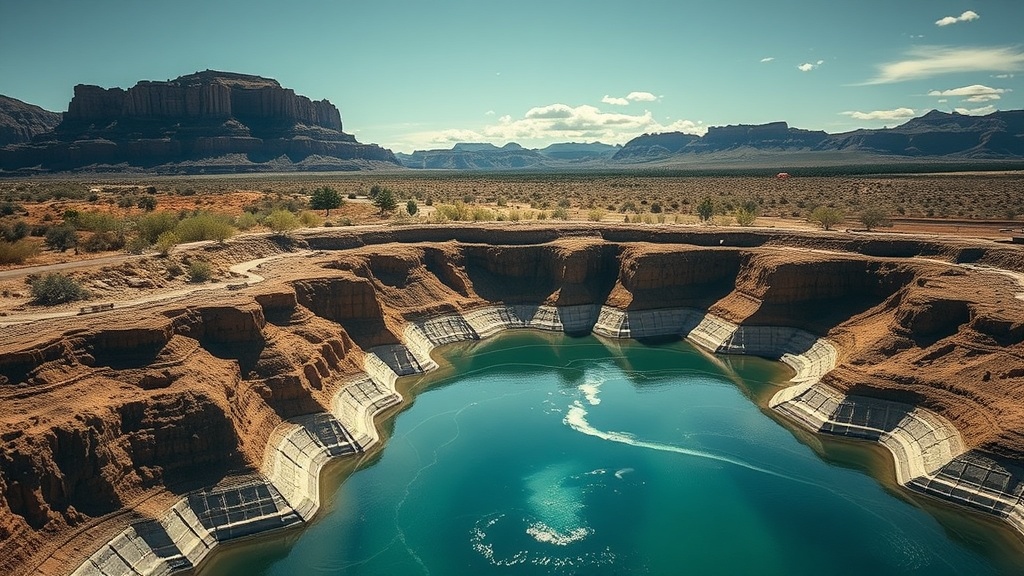
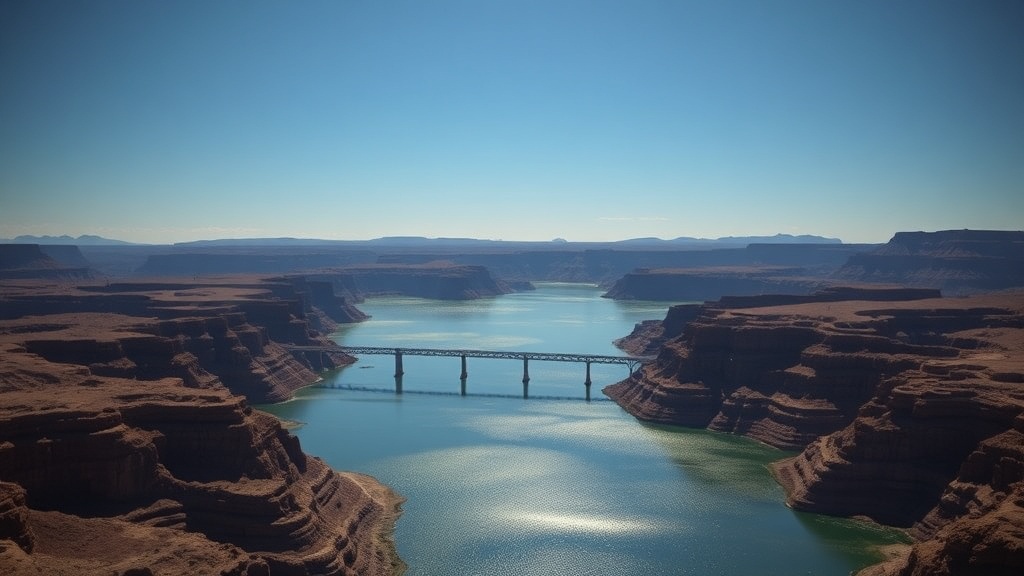
The latest data from the U.S. Geological Survey underscores the urgency of the situation, reporting Lake Powell's current level at 3,540 feet. This sharp decline has left a distinct "bathtub ring" around the shoreline and the back of the Glen Canyon Dam, previously concealed beneath the lake's surface. The visible changes serve as a stark reminder of the ongoing water crisis and the potential long-term ramifications for the region.
Operational challenges are becoming increasingly apparent as water levels continue to recede. A local marina manager, who chose to remain anonymous, expressed concerns about the lake's perceived drying up. While he noted that the marina currently has 166 feet of water beneath it, he also acknowledged that the boat ramp has been closed since August. "We are uncertain whether it can reopen this summer if water levels remain this low," he stated, illustrating the challenges faced by local businesses reliant on lake access for tourism and recreation.
The situation becomes particularly critical at the 3,490-foot mark, where Lake Powell would lose its capacity to generate hydroelectric power. Weiss highlighted the severity of this impending threshold, stating, "It's pretty low. We won't be able to produce electricity if we get to that point. I try not to think about it and hope for the best." This looming crisis raises questions about the reliability of renewable energy sources in the face of climate change and water scarcity.
The declining water levels at Lake Powell are not just a local issue; they contribute to a regional water crisis that affects millions of people who rely on the Colorado River for drinking water, agriculture, and recreation. As the reservoir continues to diminish, the urgency for collaborative solutions among the seven states that share the Colorado River becomes increasingly apparent. Stakeholders are being called upon to develop innovative strategies for water conservation, management, and allocation to mitigate the impact of ongoing drought conditions.
Historically, Lake Powell has served as a crucial water storage facility, but the current trajectory suggests that without significant intervention, the reservoir could reach critically low levels within a few years. The implications of this crisis are extensive, impacting not only energy generation but also the environment, local economies, and the overall resilience of communities in the region.
As Lake Powell's water levels continue to drop, the future remains uncertain. The urgency for action is clear, as communities and stakeholders grapple with the realities of a changing climate and the pressing need for sustainable water management practices. The situation at Lake Powell serves as a microcosm of a larger, systemic challenge facing the American West, underscoring the importance of collaborative efforts to address water scarcity and ensure a stable future for all who depend on this vital resource.