Utah's Congressional Delegation Faces Backlash for Controversial Actions in 2025
Utah's congressional delegation faces criticism for allegedly prioritizing political ties over justice in a child exploitation case.

In 2025, Utah's congressional delegation found themselves at the center of a significant controversy that raised questions about their commitment to justice and public safety. The episode, which unfolded in the wake of a high-profile case involving allegations of child exploitation, has sparked outrage among constituents and advocacy groups alike. As details emerged, critics accused the delegation of prioritizing political alliances over the protection of vulnerable populations, particularly children. This article explores the circumstances surrounding the case, the responses from lawmakers, and the broader implications for Utah's political landscape.
The controversy began when reports surfaced regarding a local figure accused of engaging in predatory behavior. The individual, whose identity has not been disclosed to protect the anonymity of the alleged victims, was facing multiple charges, including child exploitation and possession of illegal materials. The allegations sent shockwaves through the community, prompting an outcry for accountability and justice. However, rather than rallying behind victims and advocating for rigorous legal consequences, several members of Utah's congressional delegation expressed support for the accused, leading to widespread criticism.
Critics argue that the actions of the congressional delegation indicate a troubling trend in which political connections and personal relationships take precedence over legal and ethical responsibilities. Advocacy groups dedicated to child protection expressed their discontent, stating that such political maneuvers undermine the very foundations of justice. "It is appalling that our elected officials would use their influence to shield someone from accountability, especially in a case as grave as this one," said Emily Johnson, a spokesperson for the Utah Child Advocacy Coalition. "This behavior not only discredits the individuals involved but also sends a dangerous message to victims everywhere."
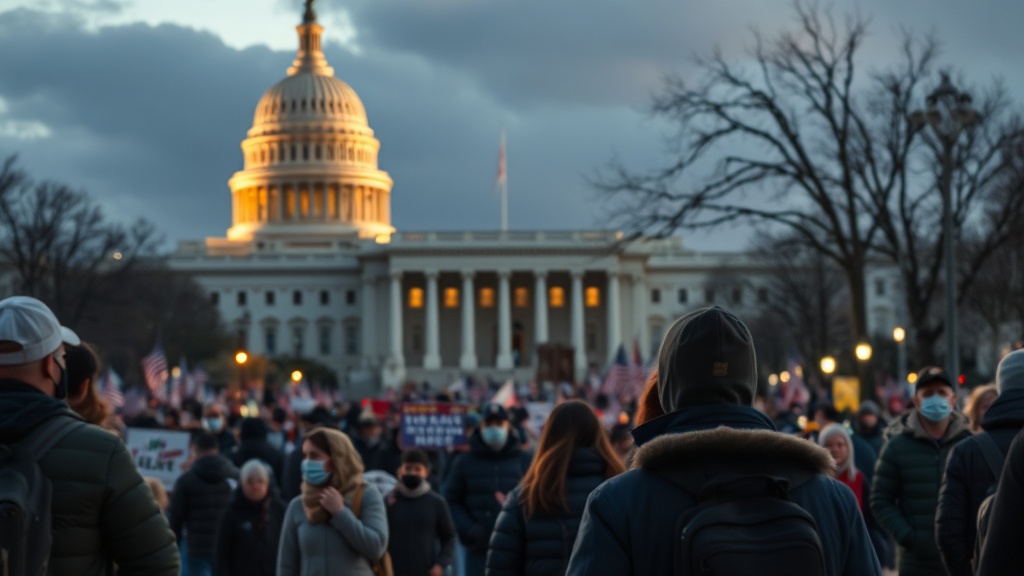
The fallout from the delegation's actions was swift. Community leaders and concerned citizens began organizing rallies and petitions demanding accountability from their representatives. Social media campaigns erupted, with hashtags like #JusticeForVictims gaining traction as constituents voiced their outrage. Many felt that the congressional delegation had failed to uphold their moral and civic duties by not prioritizing the safety of children over political affiliations.
In response to the growing backlash, some members of the delegation attempted to clarify their positions. Representative Sarah Thompson issued a statement emphasizing her commitment to justice while also expressing concern about the presumption of innocence. "While I believe it is essential to ensure that everyone receives a fair trial, we must never lose sight of the needs of victims and their families during such difficult times," she said. However, many constituents viewed her comments as insufficient and evasive, failing to address the core issues at hand.
The case has ignited a broader conversation about the role of lawmakers in matters of public safety and justice. Critics argue that politicians should prioritize the welfare of their constituents, particularly the most vulnerable, over personal interests or political gain. The situation in Utah reflects a national trend in which political leaders are increasingly scrutinized for their actions and decisions in high-stakes cases involving abuse and exploitation.
As the case progresses through the legal system, it remains to be seen how the delegation will navigate the ongoing fallout. Legal experts suggest that the congressional delegation's involvement could complicate the situation further, raising questions about potential conflicts of interest and ethical dilemmas. "When lawmakers become entangled in legal matters, it can lead to significant challenges in maintaining public trust and integrity," said legal analyst Mark Davis. "The actions of Utah's congressional delegation will undoubtedly be examined closely as this case unfolds."
The implications of this controversy extend beyond the immediate case at hand. As public awareness grows, constituents are likely to demand greater transparency and accountability from their elected officials. Advocacy groups are already mobilizing to push for reforms that would prevent similar situations from arising in the future. This incident may serve as a wake-up call for lawmakers across the state, highlighting the need for a renewed focus on the ethical responsibilities that come with public office.
In conclusion, Utah's congressional delegation faces significant challenges as they navigate the backlash from their controversial actions in a case involving grave allegations of child exploitation. The situation underscores the critical importance of prioritizing justice and the well-being of vulnerable populations in political decision-making. As the community seeks answers and accountability, the actions of these lawmakers will likely have lasting implications for their political futures and the broader landscape of public trust in government. The case serves as a poignant reminder of the essential role that elected officials play in safeguarding the rights and safety of their constituents, particularly those who cannot protect themselves.