Senate Moves Forward with Controversial Land Transfer to Brian Head, Utah
The Senate is considering a bill to transfer land to Brian Head, raising concerns over public land protections and local governance.
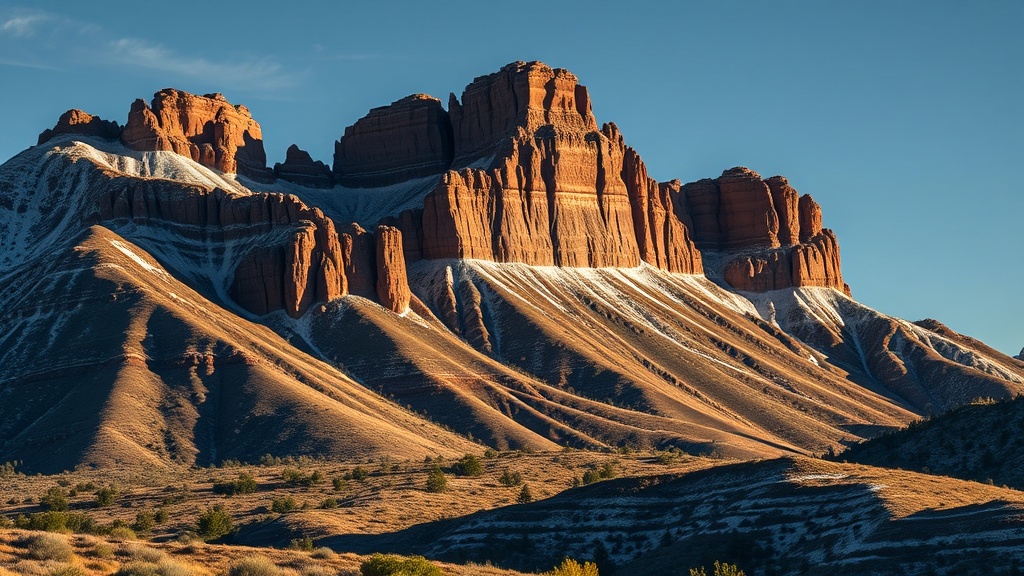
In a significant development for the small ski town of Brian Head, Utah, a bill aimed at transferring approximately 24 acres of federally managed land to the municipality is making strides through Congress. The Brian Head Town Land Conveyance Act, introduced by U.S. Senators Mike Lee and John Curtis, both Republicans from Utah, is designed to facilitate the town's expansion and modernization of essential public works facilities, especially in light of increasing visitation during ski seasons. This legislation has garnered bipartisan support but has also attracted considerable scrutiny from conservation organizations concerned about the implications for public land management.
The proposed transfer would convey land currently utilized for storing town equipment, such as snowplows, from the Dixie National Forest to the local government, allowing them to address pressing storage issues and infrastructure needs. Supporters of the bill argue that it will empower local officials who are better positioned to understand the unique needs of their community compared to federal bureaucracies. Senator Lee emphasized this point, stating, "Local communities understand their needs better than distant federal bureaucracies," while Senator Curtis praised Brian Head as “poised to become the next great Western ski town.”
Currently, Brian Head is home to a year-round population of around 150 residents but attracts hundreds of thousands of visitors annually, particularly during the winter months. This seasonal influx has placed significant strain on local infrastructure, according to Senator Lee. The bill's proponents assert that the land transfer is critical for accommodating growth and maintaining public services in light of increasing tourism.
The legislation recently advanced out of the Senate Energy and Natural Resources Committee, passing unanimously after negotiations led by Senator Martin Heinrich, a Democrat from New Mexico. Heinrich had initially expressed concerns regarding the absence of a reversionary clause, a common feature in land conveyance legislation that stipulates the land must revert to federal ownership if not utilized for its designated public purpose. He remarked, “I would support the Brian Head Town Land Conveyance Act if it ensured that the public land would be used for a public purpose. Public lands belong in public hands.” Following discussions, an amendment was added to include this provision, allowing the bill to proceed to a full Senate vote.
Despite the inclusion of the reversionary clause, opposition persists among various conservation groups. Critics argue that the bill still offers excessive discretion to the town, lacks adequate provisions for financial compensation or land exchange, and circumvents standard administrative processes, such as environmental reviews and public input. Anneka Williams, policy director for the Winter Wildlands Alliance, commented, “This is only about 20 acres, but it’s really about the precedent. Where is the compensation for American taxpayers?”
Further complicating matters, organizations like the Southern Utah Wilderness Alliance have framed the bill within a broader national debate on federal land ownership and management in the West. For years, Senator Lee has championed reducing federal oversight of public lands, a position that has drawn criticism and skepticism from environmental advocates. Travis Hammill, the D.C. director for the Southern Utah Wilderness Alliance, stated, “Sen. Lee failed this summer with his large-scale efforts to sell off public lands, so now he’s trying to give them away parcel by parcel. This legislation would set a dangerous precedent.”
Supporters of the bill, however, maintain that the land in question is small, isolated, and holds limited value for federal management. They also highlight that the U.S. Forest Service recognizes the infrastructure challenges faced by Brian Head and has expressed support for the land transfer. As the bill heads towards a full Senate vote, it serves as a significant test case in the ongoing dialogue about the management of the nation’s public lands and how best to accommodate the needs of growing communities.
While the implications of this legislation may seem localized, the outcome could set a precedent for future land conveyances across the country. As debates continue, stakeholders on both sides of the issue are watching closely, aware that the decisions made in Washington could influence public land policy for years to come. The full Senate is expected to take up the bill in the coming weeks, and the outcome may very well reflect the evolving relationship between local governments and federal oversight of public lands.