Utah Legislature Prepares for 2026 Session: Key Issues Awaiting Attention
The Utah Legislature convenes for its 2026 Regular Session, focusing on key issues like education, healthcare, and infrastructure.
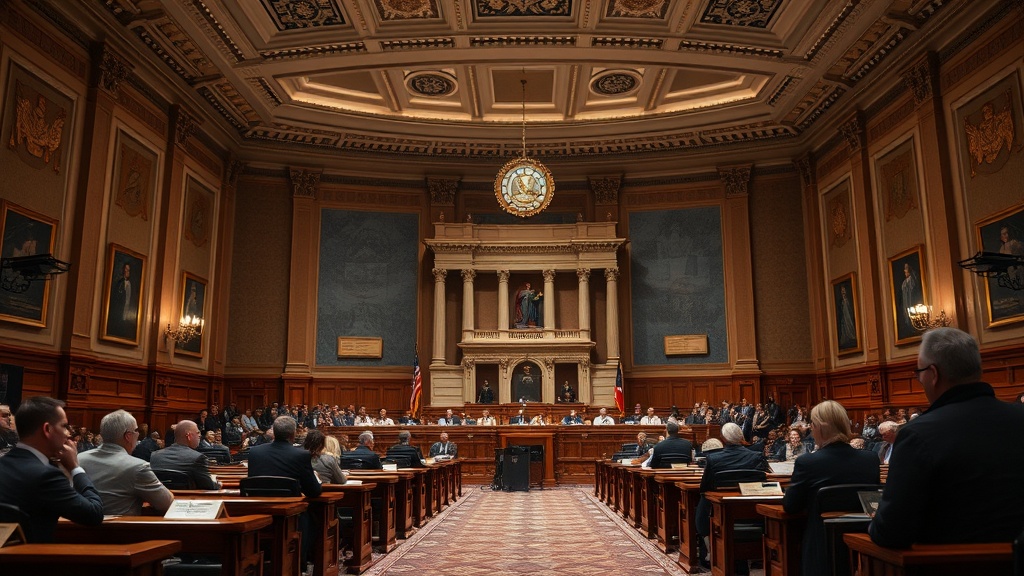
As the Utah Legislature prepares to open its 2026 Regular Session on Tuesday in Salt Lake City, lawmakers are set to tackle a range of significant issues that have implications for the state’s future. The session, which will run for 45 days, promises to generate discussions around critical topics such as education funding, healthcare reform, infrastructure development, and environmental policy. With the ongoing challenges posed by a growing population and shifting economic landscapes, the focus on these key areas could define the legislative agenda for the year ahead.
Historically, the Utah Legislature has faced criticism for not prioritizing the most pressing issues affecting constituents. As lawmakers gather, there is a palpable sense of urgency to address the needs of a diverse population that continues to expand. According to recent projections, Utah's population is expected to grow by over 1.3 million residents in the next two decades, which will inevitably place increased demands on public services and infrastructure.
One of the most pressing matters on the table is education funding. With Utah consistently ranking near the bottom in per-pupil spending, lawmakers have been urged to consider new funding mechanisms that will bolster educational resources. Advocates for education reform argue that investing in schools is essential not just for student outcomes but for the overall economic health of the state. Recent surveys indicate that many parents are concerned about the quality of education and the adequacy of resources available to teachers and students alike.
Healthcare accessibility is another crucial issue that lawmakers are expected to address. With rising healthcare costs and a significant portion of the population lacking adequate insurance coverage, there is a growing call for more comprehensive healthcare solutions. Stakeholders, including healthcare providers and patient advocacy groups, have voiced the need for policies that expand access to affordable healthcare, especially in rural areas where options are limited. The Utah Department of Health has reported significant disparities in health outcomes across different demographics, signaling an urgent need for legislative action.
Infrastructure development is also at the forefront of the legislative agenda. As Utah’s economy continues to thrive, the need for improved transportation systems, water management, and energy infrastructure becomes increasingly apparent. Lawmakers are expected to propose significant investments in these areas to ensure that the state can sustain its rapid growth while maintaining a high quality of life for residents. Recent data indicates that traffic congestion and inadequate public transportation are major concerns for urban residents, prompting calls for innovative solutions, including public-private partnerships to fund infrastructure projects.
Furthermore, environmental policy remains a contentious topic in Utah’s legislative discussions. With the state facing challenges related to air quality and water scarcity, lawmakers are encouraged to prioritize sustainable practices and address climate change proactively. Organizations advocating for environmental stewardship have emphasized the importance of balancing economic development with conservation efforts. As the session approaches, there are expectations for legislation that promotes renewable energy sources and incentivizes businesses to adopt greener practices.
As the legislature convenes, the potential for bipartisan collaboration could shape the outcomes of these discussions. In recent sessions, lawmakers have demonstrated a willingness to work across party lines on certain issues, particularly those that resonate with their constituents. The success of the 2026 session will largely depend on the ability of legislators to set aside partisan differences and focus on the common goal of improving the lives of Utah residents.
Looking ahead, the implications of the decisions made during this session could be far-reaching. With an eye toward the next decade, lawmakers have a critical opportunity to lay the groundwork for policies that will not only address immediate concerns but also foster long-term growth and stability within the state. As they gather in Salt Lake City, the stakes are high, and the eyes of the public are firmly fixed on the actions and priorities of their elected representatives.
In conclusion, the commencement of the 2026 Regular Session of the Utah Legislature marks a pivotal moment for the state. With pressing issues like education funding, healthcare access, infrastructure development, and environmental policy on the agenda, lawmakers have a unique opportunity to focus on the most important challenges facing Utah residents. The decisions made in the coming weeks will undoubtedly shape the future of the state, influencing everything from economic stability to quality of life for its citizens. As such, it is imperative that legislators prioritize effectively and work collaboratively to address the needs of their constituents, ensuring a brighter future for all Utahns.