Utah Lawmakers Push for Cryptocurrency Fraud Prevention Amid $850K Scam Loss
Utah lawmakers introduce bills to cap cryptocurrency transfers, aiming to prevent fraud after a resident lost $850K in a scam.
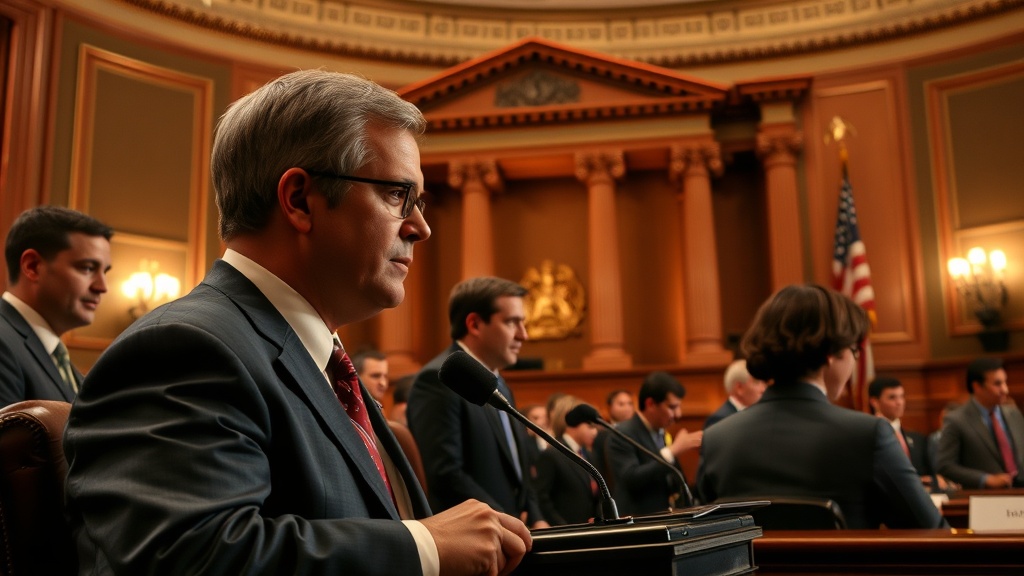
In a significant move aimed at combating the growing threat of cryptocurrency scams, lawmakers in Utah are proposing two bills that would impose a cap on cryptocurrency transfers. This legislative effort comes in the wake of alarming reports of fraud, including the devastating case of a local resident who lost $850,000 to an online scam. The proposed bills are designed to protect consumers and provide a regulatory framework for a rapidly evolving digital currency landscape that has seen a surge in fraudulent activities.
The alarming case of a Utah resident, who wishes to remain anonymous, highlights the urgent need for legislative action. After investing in what he believed to be a legitimate cryptocurrency opportunity, he found himself at the center of a sophisticated scam that drained his life savings. "I trusted the system and thought I was making a smart investment," he stated. "I never expected to lose everything."
Reports of cryptocurrency scams have surged across the nation, with the Federal Trade Commission (FTC) noting that consumers lost over $1 billion to cryptocurrency-related fraud in 2021 alone. The FTC also found that nearly half of those who reported losing money in these schemes were first-time investors, often lured by promises of high returns and quick profits. The Utah resident’s experience serves as a cautionary tale, reflecting a broader trend that has left many individuals vulnerable to exploitation.
In response to these rising threats, Utah State Representative Jordan Teuscher has introduced House Bill 399, which seeks to limit the amount of cryptocurrency that can be transferred in a single transaction. The proposed legislation would cap transfers at $10,000 unless accompanied by thorough verification processes. "We need to implement protections that safeguard our citizens from these predatory scams," Teuscher remarked during a recent committee hearing. "The digital currency space is largely unregulated, and it’s vital that we step in to protect our communities."
Alongside Teuscher’s bill, Senate Bill 80, sponsored by Senator Mike McKell, aims to enhance consumer education on cryptocurrency investments. This bill would require financial institutions to provide clear and concise information about the risks associated with digital currencies. "Education is a key component of prevention," McKell stated. "If we can equip our residents with the knowledge they need, we can help them avoid falling victim to these scams."
The introduction of these bills has sparked a conversation about the broader implications of cryptocurrency regulation. As the popularity of digital currencies continues to grow, so too does the need for robust oversight. Many experts argue that a balanced approach, which includes consumer protection measures alongside innovation, is essential for fostering a safe environment for cryptocurrency transactions.
Critics of the proposed legislation, however, caution against overly stringent regulations that could stifle innovation and drive cryptocurrency activities underground. They argue that while consumer protection is crucial, it is equally important to foster an environment that encourages technological advancements in blockchain and digital currency. As the debate unfolds, it is clear that finding the right balance will be a critical challenge for lawmakers.
The bills have garnered support from various stakeholders, including consumer advocacy groups and financial experts who emphasize the importance of protecting investors. "The rise in cryptocurrency scams is alarming, and it’s imperative that we take legislative action to protect our citizens from these threats," said a representative from the Utah Consumer Protection Division.
Furthermore, as the crypto market continues to evolve, many Utah residents remain hopeful that these legislative efforts will pave the way for a safer investment environment. "I just want to see better protections put in place so that others don’t have to go through what I did," the victim of the $850,000 scam expressed. His story serves as a stark reminder of the potential risks associated with digital currencies, underscoring the need for regulatory intervention.
As lawmakers prepare to debate these bills in the coming weeks, the outcome could have far-reaching implications for the future of cryptocurrency regulation in Utah and beyond. Advocates for consumer protection are optimistic that the proposed measures will not only help prevent future scams but also foster a more informed and secure marketplace for digital currencies. With the stakes higher than ever, the urgency for legislative action has never been clearer, as Utah seeks to lead the charge against cryptocurrency fraud in the United States.