The Impact of Immigrant Labor on American Dairy Farms: A Closer Look
Immigrant labor is crucial to U.S. dairy farms, raising concerns amid deportation debates.
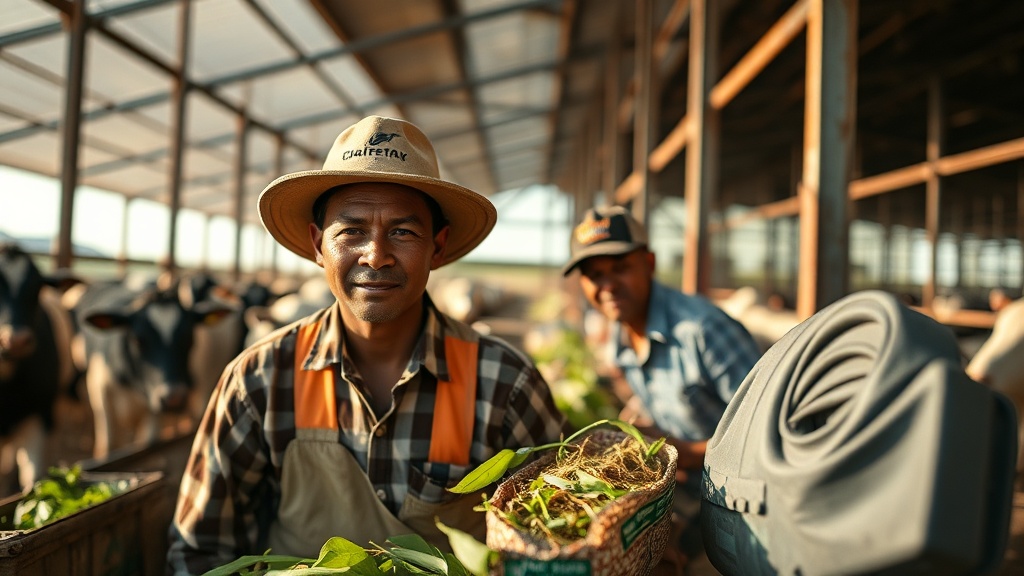
In the heart of America's dairy industry, immigrant labor plays a pivotal role in keeping milk production flowing. With an estimated 70% of dairy farm workers in the United States coming from immigrant backgrounds, the potential impact of immigration policies on this sector cannot be overstated. As debates around immigration reform continue to unfold, the question arises: what happens to these farms if immigrant workers are deported?
Dale Hemminger, a dairy farmer in upstate New York, has embraced technology to navigate this labor challenge. On his farm, traditional milking methods have been replaced by robotic systems that allow cows to self-milk at their leisure. When a cow feels the need for relief, it approaches a machine that cleans its udder, attaches milking cups, and efficiently draws the milk while dispensing a treat as a reward. This technology represents a significant shift in dairy farming practices, but it raises an important question: is automation the answer to the labor shortage created by potential deportations?
Robotic milking systems are becoming increasingly common in the dairy industry. According to the U.S. Dairy Export Council, nearly 2,000 farms in the United States are now equipped with robotic milking technology. This automation not only increases efficiency but also addresses the ongoing labor shortages exacerbated by stricter immigration policies. However, while technology can mitigate some labor issues, it cannot fully replace the skilled labor that immigrant workers provide.
Farmers like Hemminger acknowledge the crucial role that immigrant workers play in maintaining their operations. "These workers are not just laborers; they are skilled individuals who understand the nuances of dairy farming," Hemminger explains. Their knowledge and experience contribute significantly to the overall productivity and health of the livestock. In many cases, farmers have developed long-term relationships with their employees, creating a sense of community and stability within their operations.
The farming community is acutely aware of the challenges that could arise from a reduction in immigrant labor. The American Dairy Coalition has voiced concerns over how potential deportations could impact the industry, stating that the loss of skilled labor could lead to decreased milk production, increased operational costs, and ultimately higher prices for consumers. Many dairy farms operate on thin margins, and the prospect of losing their workforce could jeopardize their financial viability.
Moreover, the immigration debate is not just an economic issue; it also touches on social and ethical considerations. Many immigrant workers in the dairy industry are part of families that have lived in the U.S. for years, contributing to their local communities and economies. The prospect of deportation raises questions about the future of these families and the social fabric of the regions where they reside.
As policy discussions continue, some farmers are exploring alternative solutions to address labor shortages. Beyond automation, initiatives to attract domestic workers to the agricultural sector are gaining traction. Programs aimed at educating and training local workers in dairy farming practices are being implemented, with the hope of bridging the gap left by potential deportations. However, farmers face the challenge of changing perceptions about agricultural work, which is often viewed as low-paying and labor-intensive.
The future of the dairy industry in America hangs in the balance as policymakers and farmers navigate these complex issues. While technology offers a glimpse of a more automated future, the reality remains that human labor—especially skilled labor provided by immigrants—remains irreplaceable. As the industry grapples with these challenges, the question of who will step in to fill the gaps left by deported immigrant workers remains unanswered.
In conclusion, the reliance on immigrant workers in the dairy industry illustrates a broader narrative about labor in America. As debates over immigration policies continue, the consequences of potential deportations extend beyond economics; they touch the lives of individuals, families, and entire communities. Farmers like Dale Hemminger are left to ponder the future of their operations amid uncertainty, knowing that while technology may assist, it cannot replicate the invaluable contributions of human workers. As the industry moves forward, the need for a comprehensive approach to immigration reform that recognizes the importance of these workers is becoming increasingly evident.