China's Trade Influence: Experts Debate America's Strategy and Future
Experts debate the U.S.-China trade relationship, highlighting contrasting approaches and implications for American interests.
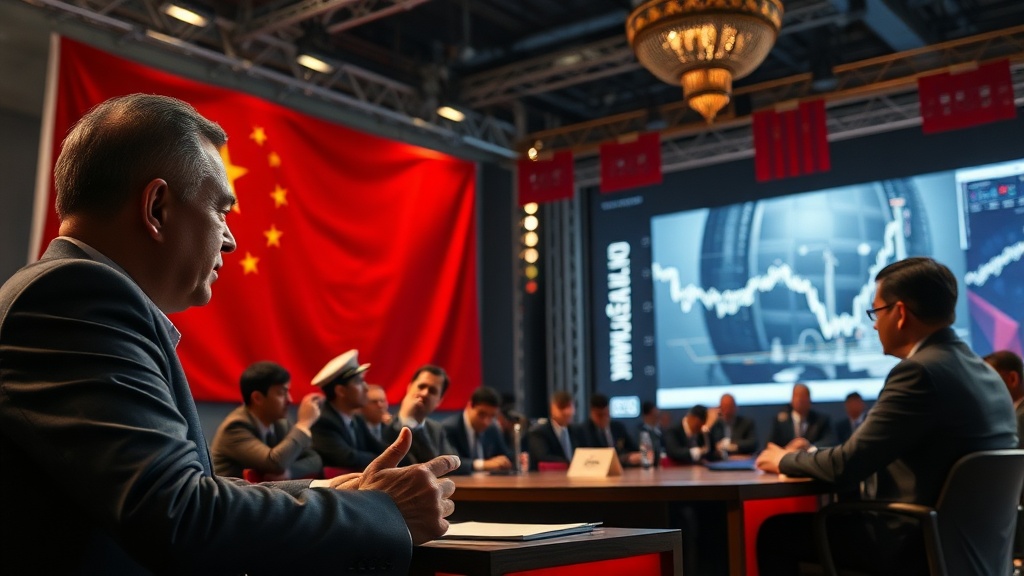
In a recent dinner gathering in New York, discussions about American trade quickly pivoted to one of the most critical geopolitical issues of our time: the relationship between the United States and China. The event featured a panel of well-respected experts, each with their own insights into the complexities of trade policies and their implications for U.S. global standing. As the conversation unfolded, the starkly contrasting opinions among these experts shed light on the broader debate regarding America's approach to China, especially in light of escalating tensions and competitive dynamics.
The dinner was organized as a part of an ongoing series of discussions focusing on international trade. While the evening's agenda aimed to cover various aspects of trade relations, it became clear that the spotlight would be on the U.S.-China relationship, which has been under intense scrutiny in recent years. With trade wars, tariffs, and diplomatic tensions at the forefront, attendees were eager to share their perspectives on the current state of affairs.
Some experts fervently defended the aggressive trade policies championed by the Trump administration. They argued that a strong stance against China was essential to counteract what they described as unfair trade practices, intellectual property theft, and market manipulation. Proponents of this view emphasized that a muscular approach was necessary to protect American interests, particularly in sectors like technology and manufacturing, where China has made significant inroads.
One panelist, an economist with extensive experience in international trade, cited statistics highlighting the trade imbalance between the two nations, pointing out that the U.S. has consistently run a trade deficit with China, which reached over $300 billion in recent years. "We cannot afford to be complacent. China’s aggressive tactics are undermining our economic foundation, and we need to respond decisively," they stated, underscoring the urgency of adopting a confrontational stance.
Conversely, other experts advocated for a more conventional and diplomatic approach. They expressed concerns that an overly aggressive strategy could lead to further escalation, ultimately harming both economies. This viewpoint was articulated by a former diplomat who emphasized the importance of constructive engagement over confrontation. "While it is crucial to address the issues at hand, we must also consider the long-term consequences of our actions. A trade war could disrupt global supply chains and negatively impact American consumers," they cautioned.
The debate continued to highlight key areas of contention, including technology transfer and cybersecurity. One participant pointed out that many American companies have been forced to partner with Chinese firms to access the lucrative market, which often involves sharing proprietary technology. "This is not just about trade; it’s about national security. We need to think critically about our technological dependencies," they argued.
As the evening progressed, the discussion shifted to the implications of these differing perspectives. The experts acknowledged that the U.S. must navigate a complex landscape where economic interests, national security, and diplomatic relations intersect. With China emerging as a formidable global competitor, the stakes have never been higher. The need for a cohesive strategy that balances confrontation with cooperation emerged as a central theme.
In addition to the trade imbalances and security concerns, the experts also discussed the growing influence of China in international organizations and its Belt and Road Initiative, which aims to enhance global trade routes and infrastructure. This initiative has raised questions about China's intentions and its potential to reshape global economic power structures. One expert noted, "China is not just a competitor; it’s a global player with aspirations that could redefine the rules of the game."
As the evening drew to a close, the consensus among the attendees was clear: the U.S. needs a comprehensive strategy that addresses the complexities of its relationship with China. While opinions varied on the best approach, the recognition that America is at a crossroads was palpable. With both economic and geopolitical implications on the line, the discussions that night echoed a broader concern regarding the future of U.S. trade policy and its role on the world stage.
In conclusion, the dinner conversation exemplified the ongoing debate surrounding America's trade relationship with China. As experts continue to grapple with the implications of various strategies, it is evident that the path forward will require careful consideration of economic, security, and diplomatic factors. The need for a nuanced approach that balances assertiveness with diplomacy may prove essential for navigating the challenges posed by this complex relationship. With American interests at stake, the decisions made in the coming years will undoubtedly shape the global economic landscape for generations to come.