Utah Lawmaker Introduces Legislation to Limit Immigration Enforcement Actions
A Democratic lawmaker in Utah proposes a bill to limit immigration enforcement actions, aiming to protect vulnerable communities.
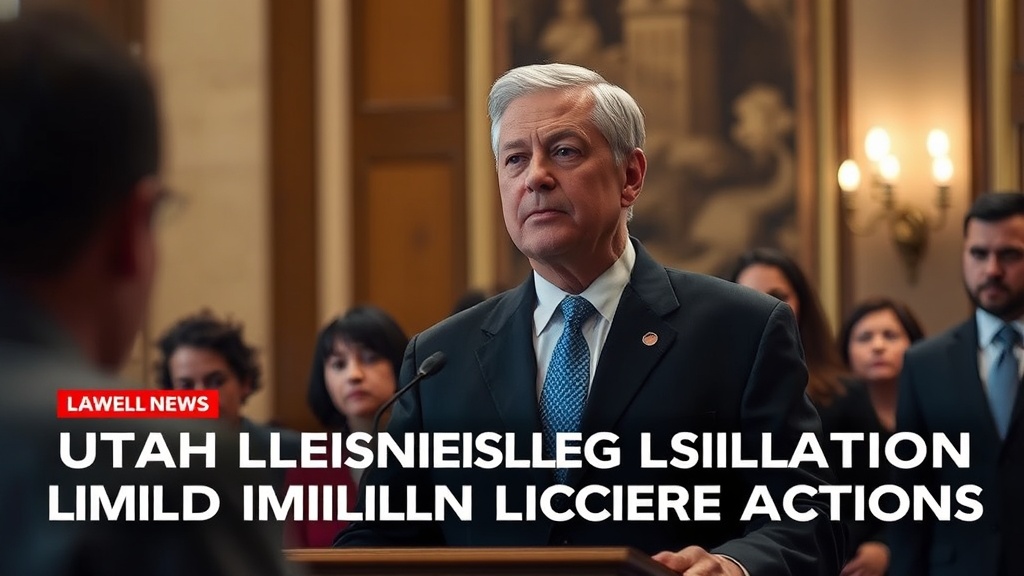
In response to growing concerns regarding immigration enforcement activities and their impact on local communities, a Democratic lawmaker in Utah has introduced a bill aimed at regulating such actions within the state. The legislation, which is expected to spark vigorous debate, seeks to establish guidelines that would restrict the authority of state and local law enforcement agencies when it comes to cooperating with federal immigration authorities.
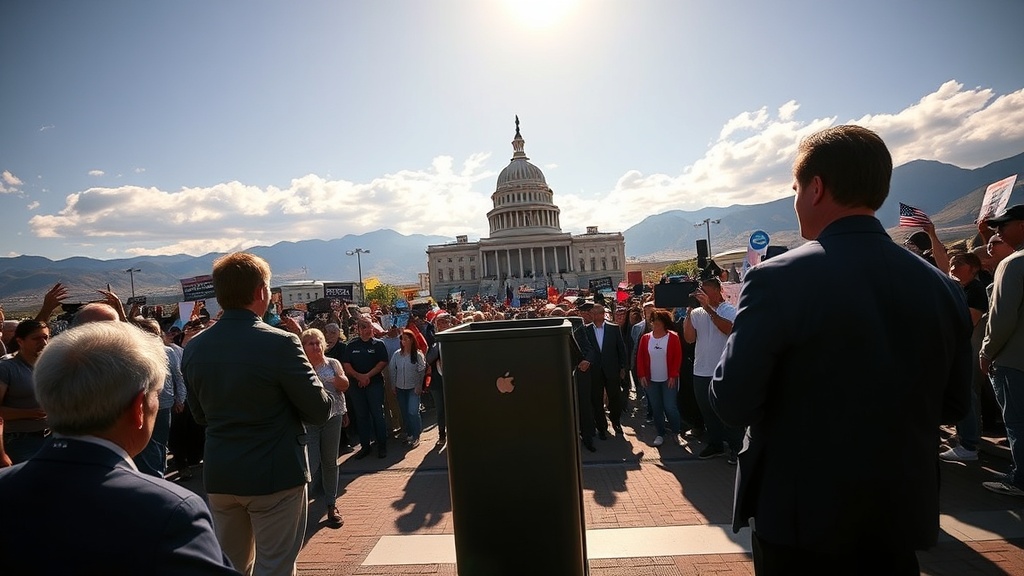
Representative Angela Romero, the bill's sponsor, emphasized that the proposed legislation aims to protect vulnerable populations while promoting community trust in law enforcement. "We need to ensure that our immigrant communities feel safe and secure in reaching out to police without the fear of deportation or other consequences," Romero stated during a press conference. This sentiment echoes a broader movement across the United States where various states and cities are grappling with the implications of immigration enforcement on public safety and community relations.
The bill, titled the Immigration Enforcement Accountability Act, proposes several key provisions. Primarily, it would prohibit local law enforcement officers from detaining individuals solely based on their immigration status, unless they are suspected of committing a serious crime. This limitation aims to prevent racial profiling and discriminatory practices that have been reported in various jurisdictions.
Additionally, the legislation seeks to curtail the practice of local police agencies entering into 287(g) agreements with federal immigration authorities. These agreements allow local law enforcement to act as immigration agents, a practice that has been met with significant criticism from immigrant rights advocates. Romero argued that such collaborations can undermine community trust and discourage individuals from reporting crimes, thereby making communities less safe.
The proposal comes at a time of heightened scrutiny surrounding immigration policies and enforcement strategies across the nation. With the Biden administration promising a more humane approach to immigration, many local governments are reassessing their roles in federal immigration enforcement. However, the situation in Utah remains complex, as the state has historically been a mix of welcoming and restrictive attitudes towards immigrants.
Critics of the proposed bill, including some law enforcement officials, argue that limiting cooperation with federal authorities could hinder efforts to combat crime. Sheriff Jake McBride of Salt Lake County expressed concerns about the potential impact on public safety. "Our job is to protect everyone in our community, and we need to collaborate with federal agencies to keep our neighborhoods safe," he said.
Supporters of the bill counter that it is not about compromising public safety, but rather about fostering trust between law enforcement and immigrant communities. Organizations such as the Utah Immigrant Rights Coalition have praised the bill, stating it reflects the values of inclusivity and fairness. "This legislation sends a strong message that Utah welcomes immigrants and values their contributions to our state," said coalition spokesperson Maria Garcia.
In recent years, Utah has seen an increase in its immigrant population, with many families establishing roots in the state. The demographic shift has brought about both opportunities and challenges, particularly in how residents perceive and interact with law enforcement. The proposed legislation represents a significant development in this ongoing dialogue.
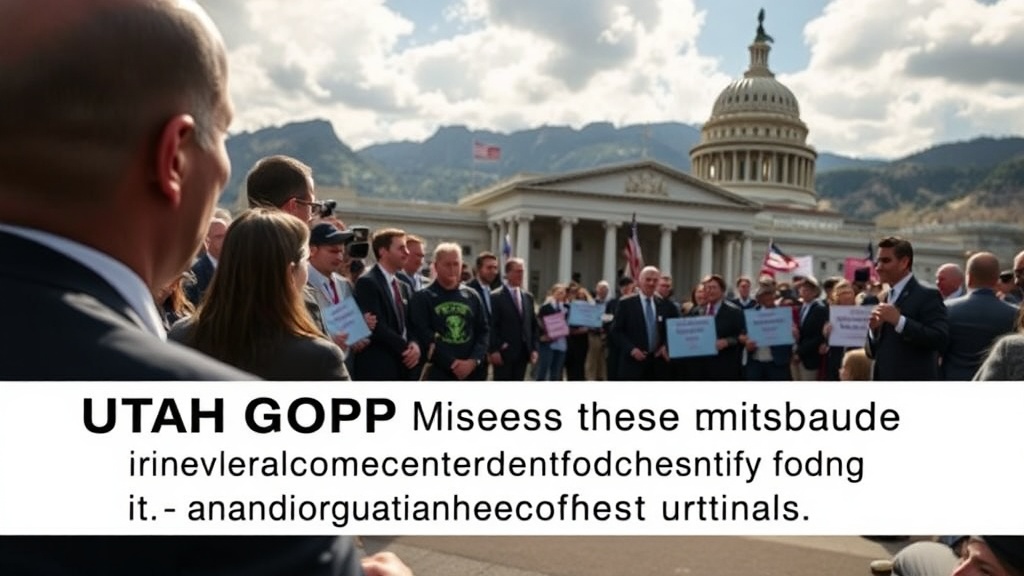
As the bill moves forward, it will likely face challenges in the legislative process. Republican lawmakers have historically been resistant to measures that limit immigration enforcement, and it remains to be seen how this proposal will be received in the politically charged environment of the Utah State Legislature. Advocates are preparing for a robust lobbying effort to garner support from both sides of the aisle, emphasizing the importance of community safety and trust.
In conclusion, Representative Romero's Immigration Enforcement Accountability Act presents a pivotal moment in Utah's approach to immigration enforcement. If passed, the bill could set a precedent for other states grappling with similar issues, potentially reshaping the landscape of immigration enforcement at the local level. As discussions continue, the implications of this legislation could resonate far beyond Utah's borders, impacting the national conversation on immigration and law enforcement practices. The upcoming legislative session promises to be a crucial arena for debate on these pressing issues, reflecting the diverse opinions and values of Utah's residents regarding immigration and community safety.