Utah Voters Divided on Trump's Venezuela Actions and Congressional Authority
Utah voters are divided over President Trump's military strikes in Venezuela, questioning authority and implications for U.S. foreign policy.
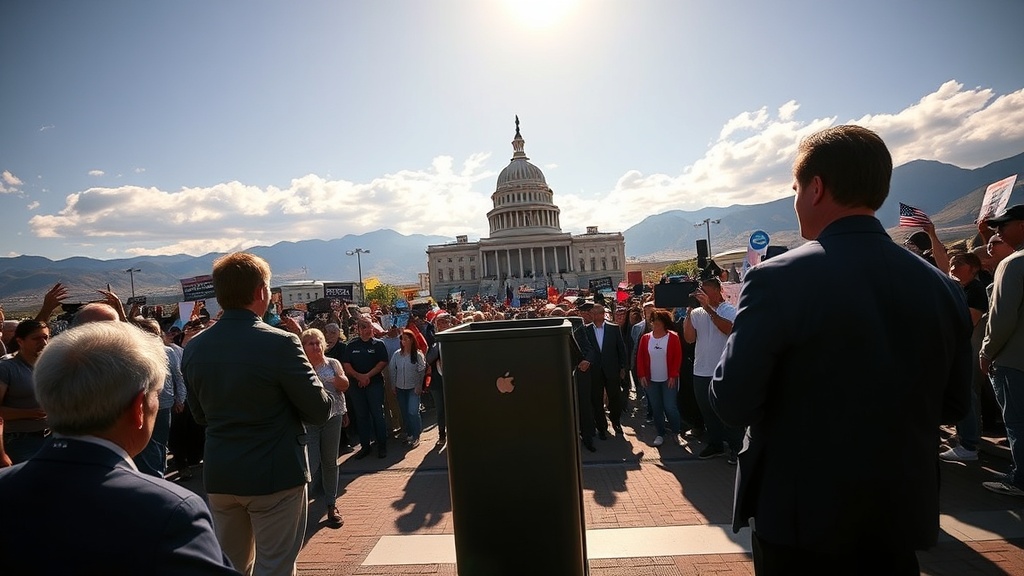
In the wake of recent military strikes against Venezuela ordered by President Donald Trump, Utah voters find themselves sharply divided on the implications and legality of such actions. The strikes, which were aimed at specific targets believed to be connected to the Maduro regime, have sparked significant discussion among residents of the Beehive State regarding presidential authority and the role of Congress in military decisions.
The issue has come to the forefront of Utah politics as residents express strong opinions both for and against the strikes. According to a recent poll conducted by the Utah Policy Institute, approximately 48% of respondents support Trump’s decision to take military action, while 46% oppose it. The remaining 6% are undecided. This split reflects a broader national conversation about the balance of power in military engagements and the extent to which a sitting president can act unilaterally.
Supporters of the strikes argue that swift action was necessary to counteract what they perceive as a humanitarian crisis in Venezuela, exacerbated by Nicolás Maduro's authoritarian regime. "The situation in Venezuela is dire, and the international community must act to support the people suffering under tyranny," said Jason Stevens, a Republican voter from Salt Lake City. Many residents echo this sentiment, highlighting the need for decisive action to restore democracy in a nation plagued by economic collapse and political oppression.
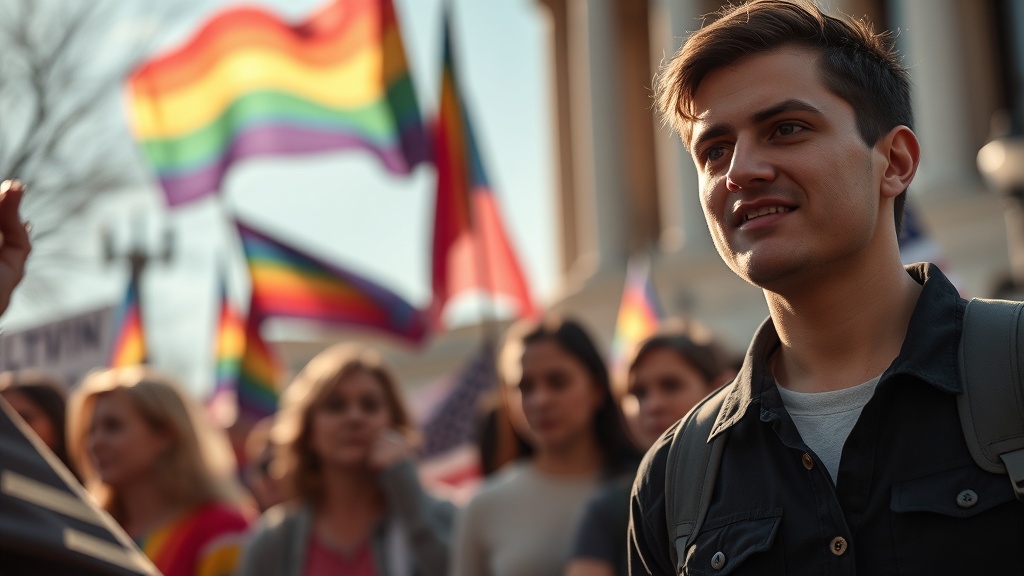
On the other hand, critics of the strikes, including a significant number of Democratic voters, express concern over the legality of Trump's actions. They argue that the U.S. Constitution grants Congress the power to declare war and that military action should not be taken without legislative approval. "This is a concerning precedent for presidential power. Congress must be involved in decisions that could lead to further military entanglements," said Maria Gonzalez, a Democratic voter from Provo. The lack of congressional oversight raises alarms for many Utahns about the potential for unchecked executive power.
This debate is further complicated by the historical context of U.S. involvement in Latin America. Many Utahns remember the Cold War-era interventions in countries like Nicaragua and Cuba, which were often met with significant backlash and are still discussed in political circles today. The lessons learned from those interventions weigh heavily on the minds of voters as they consider the implications of Trump's actions in Venezuela.
Local political analysts suggest that the division among Utah voters may reflect broader national sentiments. "Utah has a unique political landscape, but the issue of military engagement resonates across party lines. Many voters are questioning the long-term implications of military strikes and the potential for escalation," said Dr. Emily Ramirez, a political science professor at the University of Utah. The division could influence the state’s congressional representatives as they prepare for the upcoming legislative session, particularly as calls for accountability and oversight grow louder.
In addition, the potential repercussions of the military strikes extend beyond political discourse. Utah's economy, which is heavily dependent on trade and stability in the region, could be affected if tensions escalate further. Many businesses in the state have ties to South America, and prolonged instability in Venezuela may lead to economic ramifications for exporters and importers alike. This concern is echoed by business leaders who urge caution in U.S. foreign policy.
As the situation in Venezuela continues to unfold, Utah's elected officials are monitoring the sentiments of their constituents closely. Senator Mitt Romney, a prominent figure in Utah politics, has emphasized the importance of a measured response and the necessity for congressional involvement in military decisions. In a recent statement, he noted, “While the plight of the Venezuelan people is heartbreaking, we must ensure that our actions are both legal and effective in promoting democracy.”
As the debate continues, Utahns remain engaged and vocal about their views on military intervention and presidential authority. Town halls and community forums have been organized across the state to discuss these issues, indicating a growing desire for public discourse on foreign policy matters.
With the 2024 presidential election on the horizon, how candidates address the issue of U.S. military action could play a significant role in shaping voter preferences. As Utahns grapple with their divided opinions on Trump’s actions in Venezuela, the implications for future foreign policy and presidential power remain profound and far-reaching. The coming months will likely see continued discussions and potentially pivotal developments as both voters and leaders navigate this complex issue.