Utah GOP Advances in Signature Collection for Anti-Gerrymandering Law Repeal
The Utah GOP is verifying signatures for a 2026 ballot initiative to repeal the state's anti-gerrymandering law.
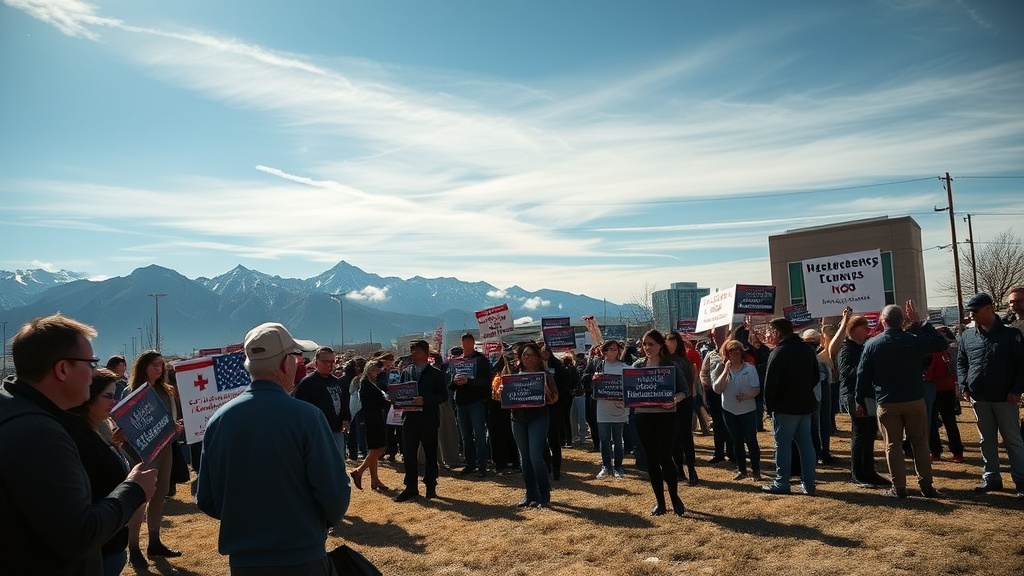
The Utah Republican Party is making significant progress in its initiative to repeal the state’s ban on partisan gerrymandering. County clerks across Utah are actively engaged in verifying the signatures that have been collected. This initiative aims to place the repeal on the ballot for the upcoming 2026 elections. The GOP has mobilized resources and volunteers to gather the necessary signatures, highlighting the importance of this issue to party members and their supporters.
Partisan gerrymandering refers to the practice of drawing electoral district boundaries in a way that gives one political party an advantage over others. In Utah, the current ban on such practices is seen by the GOP as a limitation on their electoral strategy. By attempting to repeal this ban, the party aims to gain a more favorable position in future elections.
The signature verification process is crucial, as it determines whether the initiative will qualify for the ballot. County clerks are responsible for ensuring that the signatures meet the required legal standards. This includes checking that the signatures are from registered voters in Utah and that they comply with all state regulations regarding initiative petitions.
As the verification process continues, the GOP is hopeful about reaching their signature goal, which will be a significant step toward placing the repeal on the ballot. The party is closely monitoring the progress and is prepared to take further action if needed to ensure that they meet the required thresholds.
The outcome of this initiative could have far-reaching implications for the political landscape in Utah. If successful, it may pave the way for future redistricting efforts that could favor the Republican Party. Analysts are watching the developments closely, as they could influence voter turnout and party dynamics in the 2026 elections.