The Polarizing Perception of Donald Trump: Insights into His Electoral Strategy
Donald Trump evokes strong reactions, with 50% viewing him negatively and the rest positively, impacting his electoral strategy.
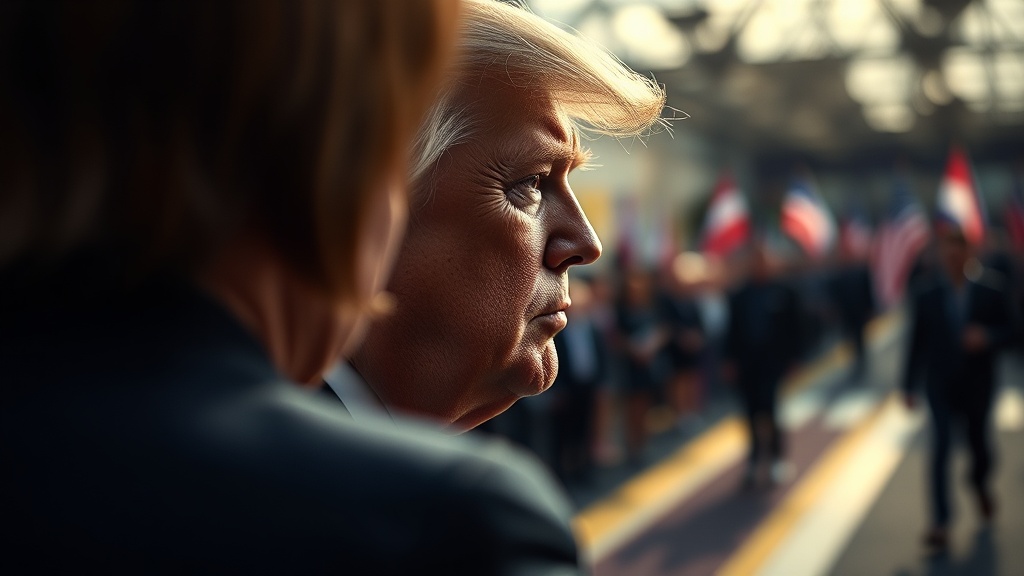
Donald Trump continues to evoke strong reactions across the United States. Recent surveys indicate that public opinion is sharply divided regarding his character and leadership style. Approximately 50% of respondents characterize Trump as a controversial figure, citing concerns about his behavior and policies. Conversely, the other half of the population views him in a more favorable light, believing he embodies qualities of a transformative leader.
This polarization is not new in American politics, but Trump's unique ability to galvanize supporters and detractors alike has influenced his electoral strategy. Political analysts suggest that this division can serve as an advantage in election cycles.
Voter sentiment plays a crucial role in shaping campaign narratives. Trump's supporters often point to his unfiltered communication style and his outsider status as key factors that resonate with a significant portion of the electorate. They argue that his approach challenges traditional political norms and appeals to those who feel disenfranchised by the established political system.
On the other hand, critics of Trump argue that his rhetoric can incite division and hostility. They express concerns that such polarization undermines democratic discourse. Nevertheless, this divide appears to solidify his base, as many supporters feel a strong emotional connection to his message.
Furthermore, the media coverage surrounding Trump has contributed to this dichotomy. Coverage often amplifies extreme viewpoints, reinforcing the existing beliefs of both supporters and opponents. As a result, the political landscape has become increasingly charged, making it vital for candidates to navigate these dynamics carefully.
In summary, Trump's ability to evoke both passionate support and strong opposition highlights a significant trend in contemporary American politics. As elections approach, understanding this division could be crucial for candidates aiming to mobilize voters and secure electoral success.