Vice President Vance Defends ICE Officer in Controversial Minneapolis Shooting
Vice President JD Vance defends an ICE officer involved in a fatal shooting, sparking controversy and calls for accountability amid ongoing immigration tensions.
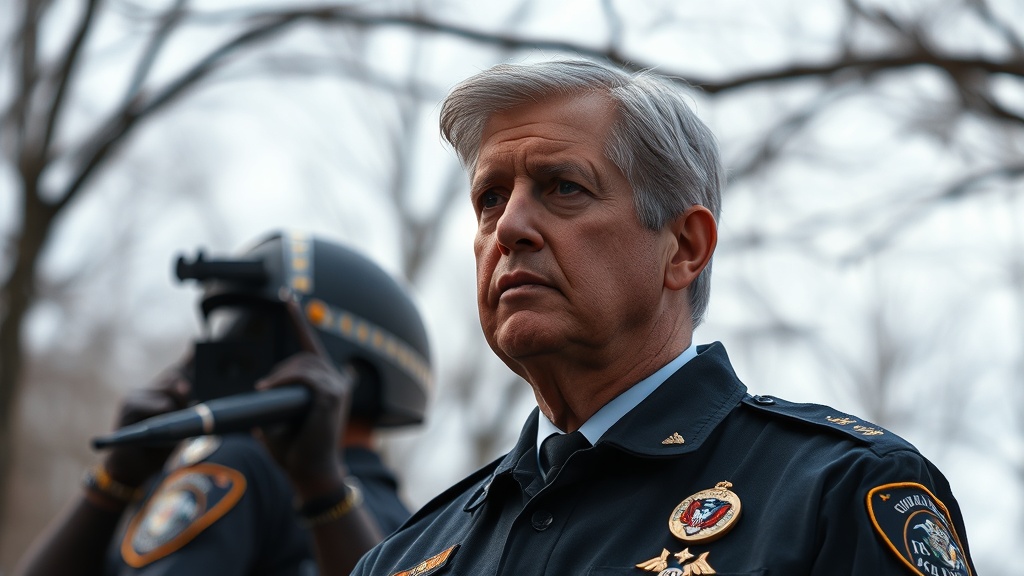
In a tense press briefing held on January 8, 2026, Vice President JD Vance publicly defended the actions of an Immigration and Customs Enforcement (ICE) officer who fatally shot a woman during a confrontation in Minneapolis the day prior. This incident has sparked significant controversy and raised questions about law enforcement practices, particularly in the context of heightened immigration enforcement operations in the area. Vance’s remarks came amid growing scrutiny from the media and calls for transparency regarding the events leading up to the shooting.
Renee Nicole Good, 37, was shot and killed by ICE officer Jonathan Ross during an enforcement action that has since been characterized by differing narratives. Vance characterized the officer's actions as justified, claiming they were taken in self-defense. "I think the media prejudging and talking about this guy as if he’s a murderer is one of the most disgraceful things I’ve ever seen from the American media," Vance stated, urging the public to consider the officer's previous encounter with a vehicle during an immigration operation, which had resulted in severe injuries to Ross. He emphasized the psychological toll that such experiences could have on law enforcement personnel.
The incident has been further complicated by the emergence of video evidence that contradicts the Trump administration's narrative. Reports from The New York Times indicated that footage from multiple angles depicted Good turning her SUV away from Ross just before he discharged his weapon. Vance dismissed these findings, suggesting they misrepresented the situation and failed to acknowledge the potential dangers officers face in the field. "That ICE officer nearly had his life ended, so you think maybe he’s a little bit sensitive about somebody ramming him with an automobile," Vance added, reinforcing his defense of Ross.
The context of this shooting is critical to understanding the broader implications of immigration enforcement in Minnesota. The federal operation, which commenced last month, intensified following allegations from a right-wing influencer claiming fraudulent activities at daycare centers operated by members of the Somali community. This has fueled tensions between local communities and federal law enforcement, leading to protests and heightened scrutiny of ICE's tactics.
Homeland Security Secretary Kristi Noem also supported Ross during the briefing, asserting that the officer acted within the bounds of his training and experience. She emphasized that the aggressive immigration enforcement in Minnesota would continue unabated, aimed not only at removing undocumented individuals with criminal backgrounds but also at investigating alleged fraud in state programs. "The Department of Homeland Security will continue to operate on the ground in Minnesota," Noem stated, positioning the federal response as a necessary measure against perceived lawlessness.
In the wake of the shooting, local law enforcement and advocacy groups have called for a thorough investigation. However, the FBI’s refusal to grant the Minnesota Bureau of Criminal Apprehension access to evidence related to the shooting has raised concerns about transparency and accountability. Vance responded to questions about this issue by asserting that it is a federal matter, dismissing concerns from local officials and activists. "The idea that Tim Walz and a bunch of radicals in Minneapolis are going to go after and make this guy’s life miserable is preposterous," he remarked, further complicating the relationship between federal and local law enforcement.
The shooting’s implications extend beyond the immediate incident, as congressional Democrats have begun to voice their concerns about the growing militarization of immigration enforcement and the potential for abuses of power. Calls for a criminal investigation into the shooting have emerged, highlighting the deep divisions over immigration policy and law enforcement practices in the U.S. Vance's comments, coupled with the administration's steadfast support for the ICE officer, signal a commitment to the current enforcement strategy, even as it faces increasing scrutiny from various sectors of society.
As investigations into the shooting continue, the discourse surrounding immigration enforcement in the United States is likely to intensify. The juxtaposition of federal authority against local governance, alongside the implications for community relations, remains a critical issue as the nation grapples with its immigration policies and the enforcement mechanisms that accompany them. With the administration firmly backing its officers, the future of immigration enforcement remains a contentious topic, poised to influence political landscapes and community dynamics in the months ahead.