Utah Arts Program for Elementary Schools Secures Funding Ahead of Legislative Session
A beloved elementary school arts program in Utah has avoided funding cuts, but uncertainty remains as the 2026 legislative session approaches.
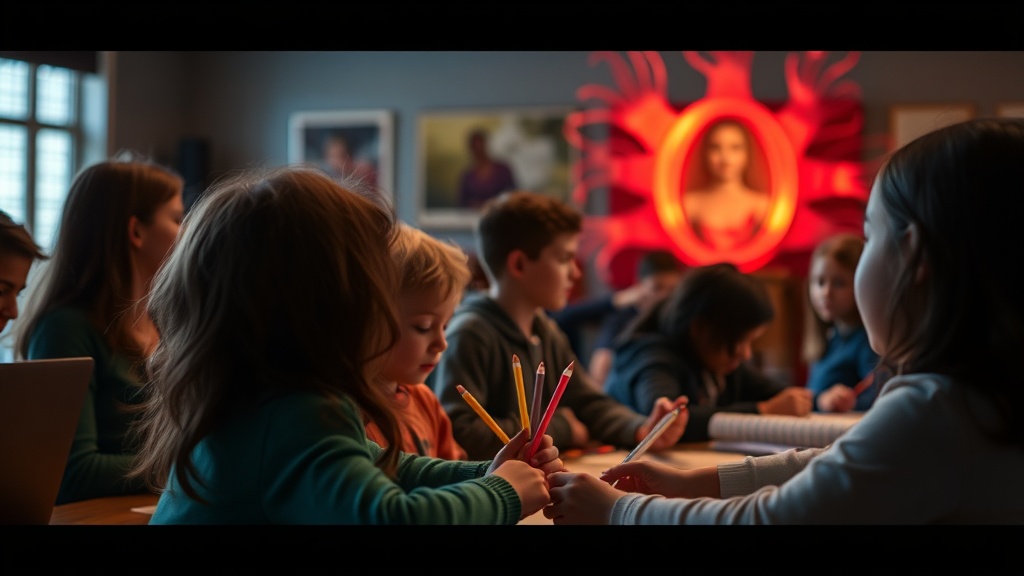
In a significant development for arts education in Utah, a cherished elementary school arts program has been spared from potential funding cuts, at least for the time being. This was the outcome of a Utah State Board of Education meeting held on Thursday, where board members deliberated on the future of various educational programs as the 2026 legislative session approaches. The meeting underscored the ongoing challenges faced by arts programs in public schools, which have often been the first to suffer in budgetary constraints.
The arts program in question has been a staple in many Utah elementary schools, designed to enrich students' educational experience through music, visual arts, theater, and dance. Advocates for the program argue that it plays a crucial role in fostering creativity, enhancing cognitive development, and improving academic performance across various subjects. "Arts education is not merely a luxury; it is an essential part of a well-rounded education that cultivates critical thinking and emotional intelligence in our children," stated board member Lisa Anderson during the meeting.
Historically, funding for arts programs has fluctuated based on state budgets and political priorities. In recent years, as state revenues have come under pressure due to economic downturns, many school districts have had to make difficult decisions regarding program funding. The Utah State Board of Education has been tasked with balancing these budgetary needs while ensuring that essential programs like arts education do not get sidelined.
During Thursday's meeting, board members reviewed potential budgetary allocations for the upcoming legislative session. Although no definitive decisions were made regarding funding cuts, the discussions revealed a concern among board members about the sustainability of arts programs in light of potential budget constraints. Several members voiced their commitment to preserving arts education, but acknowledged the difficulty of securing funding in a competitive fiscal environment.
"We need to advocate for these programs vigorously," said board member Mark Jensen. "If we don’t prioritize arts education, we risk losing an entire generation of creative thinkers who can contribute to our economy and society in meaningful ways."
The discussion also highlighted the increasing reliance on community support and private funding to supplement state allocations. Many schools have turned to fundraising initiatives, grants, and partnerships with local arts organizations to sustain their programs. For instance, a recent collaboration between a local arts nonprofit and several elementary schools has enabled them to offer specialized art workshops, despite limited funding from the state.
Parents and community members have been vocal in their support for arts education, frequently attending board meetings and lobbying for the continuation of these essential programs. "My child’s interest in art has not only been nurtured through this program, but it has also helped them excel in other subjects," shared parent and arts advocate Sarah Williams. "We need to ensure that future generations have the same opportunities."
As the 2026 legislative session approaches, the fate of the arts program remains uncertain. The Utah State Board of Education is expected to continue its advocacy efforts, urging lawmakers to recognize the importance of arts education in schools. The board is also planning to gather more data on the impact of arts programs on student achievement to bolster their case during the legislative discussions.
In light of the ongoing conversations about educational funding, the potential for changes in state policy remains a pressing concern. Many educators fear that without adequate funding, they may be forced to reduce or eliminate arts programs altogether, leading to a significant loss in opportunities for student engagement and expression. The implications of such cuts are far-reaching, as they not only affect individual students but also have repercussions for the broader community and economy, which benefit from a well-rounded, creative workforce.
Looking ahead, advocates for arts education are mobilizing to ensure that these programs receive the attention and funding they deserve. Community meetings and awareness campaigns are being organized to educate the public and encourage them to advocate for sustained investment in arts programs. The message is clear: arts education is a fundamental component of a comprehensive educational experience, and it is essential for fostering a generation of innovative and creative thinkers.
In conclusion, while the arts program in Utah's elementary schools may have dodged funding cuts for now, the looming uncertainty of the legislative session underscores the need for ongoing advocacy and community support. The future of arts education in Utah hangs in the balance, and the voices of parents, educators, and community leaders will be crucial in shaping the outcome as discussions continue in the coming months.