US Assumes Control Over Venezuela Following Maduro's Capture in Military Operation
In a bold move, the U.S. has announced control over Venezuela following Maduro's capture, stirring global reactions and raising serious concerns.
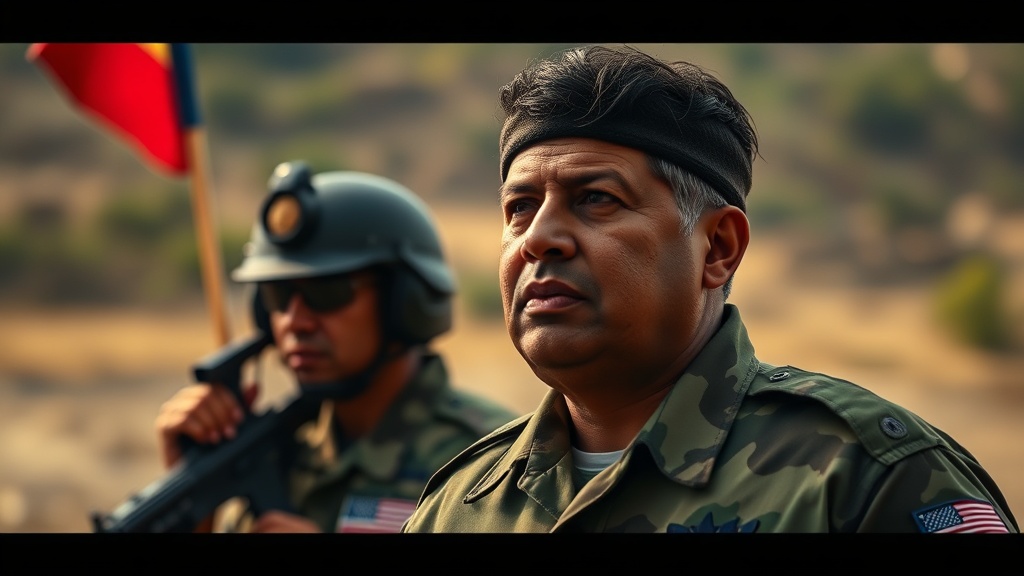
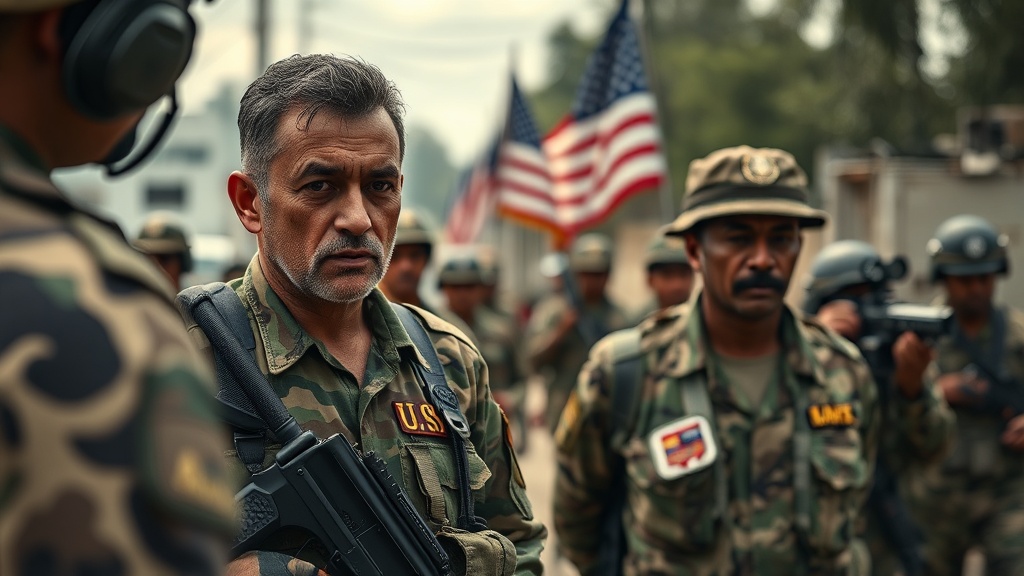
In a dramatic turn of events, President Donald Trump announced on Saturday that the United States will take control of Venezuela in the wake of the capture of President Nicolás Maduro. This announcement came during a press conference held at Trump's Mar-a-Lago estate in Florida, where he disclosed details of a covert military operation that led to Maduro's apprehension. The operation, named “Absolute Resolve,” was aimed at dismantling what the Trump administration describes as a narco-terrorist regime. Trump characterized the military action as necessary to protect American sovereignty and safeguard lives, claiming that Maduro's government has been a significant threat to the United States.
The timeline for U.S. control over Venezuela remains unclear, but Trump emphasized that the U.S. would oversee the country until a "safe, proper and judicious transition" could be implemented. "We are going to run the country until such time that we can do a safe, proper and judicious transition," he stated, pledging to improve conditions for Venezuelans both in their homeland and for those who have fled to the U.S. since the onset of the Maduro regime. This move has raised alarms globally, with many leaders expressing concerns about the implications of U.S. interventionism in Latin America.
The military operation that led to Maduro's capture occurred around 2 a.m. local time, with reports of explosions and low-flying aircraft in Caracas. Accompanying Maduro, who was apprehended alongside his wife, Cilia Flores, were indications that the U.S. intended to bring them to New York to face charges related to narco-terrorism and conspiracy. These charges stem from a 2020 indictment, which accused Maduro of leading a drug cartel and facilitating drug trafficking into the United States.
The reaction from both sides of the political aisle in the U.S. has been sharply divided. Democratic lawmakers condemned the military operation, arguing that it bypassed Congress's constitutional authority to declare war, raising concerns over executive overreach. Senator Tim Kaine (D-VA) stated that the operation disregarded the necessary approval process and expressed fears that it could escalate into a broader conflict. Meanwhile, Republicans rallied behind Trump's decision, asserting that it was a justified response to a longstanding threat posed by Maduro's regime. Senate Majority Leader John Thune (R-SD) praised the operation as an important step toward accountability for Maduro's alleged crimes.
Trump's announcement also included veiled warnings to other nations, particularly Cuba, suggesting that they could face similar intervention should they threaten U.S. interests. Secretary of State Marco Rubio remarked, "If I lived in Havana and worked for the government, I’d be concerned." This sentiment indicates a broader strategy by the Trump administration to exert influence over countries in the region that are perceived to challenge U.S. authority.
The implications of this operation extend beyond immediate military concerns. The U.S. government has been under scrutiny for its treatment of Venezuelan immigrants, with the Trump administration attempting to end Temporary Protected Status (TPS) for over 600,000 Venezuelans living in the U.S. This status was initially granted due to the dire conditions under Maduro's rule. Critics have argued that Trump's foreign policy actions could further complicate the situation for these immigrants, many of whom are fighting to remain in the U.S. amid threats of deportation.
In addition to domestic ramifications, international leaders have reacted strongly against the U.S. military operation. Mexico’s President Claudia Sheinbaum condemned the actions as violations of international law, calling for an immediate ceasefire and dialogue to resolve tensions peacefully. Similarly, leaders from Russia and Brazil criticized the U.S. move as a breach of sovereignty, warning that it could lead to greater instability in the region.
As the situation develops, it remains uncertain how the U.S. will manage its control over Venezuela and what this means for the future of Venezuelan democracy. The next steps will likely involve negotiations regarding leadership in Venezuela, with figures like María Corina Machado, a leading opposition voice, calling for unity and increased democratic participation. The international community is closely monitoring the situation, with many advocating for a peaceful resolution and a return to democratic governance.
In conclusion, the U.S. military operation that resulted in the capture of Nicolás Maduro marks a significant escalation in U.S. foreign policy in Latin America. It raises critical questions about the balance of power, international law, and the future of Venezuela under U.S. oversight. The unfolding events will undoubtedly shape not only Venezuela's immediate future but also its long-term relationship with the United States and the broader global community.