Unveiling the Legacy of GUS the Bull: Utah State University's Former Mascot
Utah State University archivists delve into the legacy of GUS the bull, the beloved former live mascot, as alumni share their cherished memories.
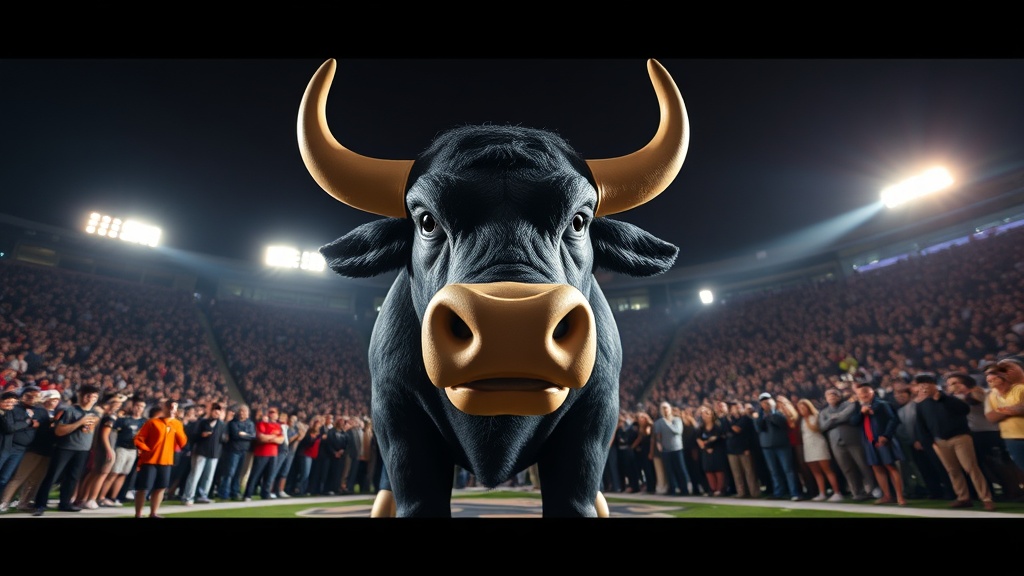
In the vibrant history of Utah State University (USU), few figures are as memorable as GUS the bull, the university's former live mascot. Long before the cheers echoed for Big Blue, GUS made his mark on the field, captivating the hearts of students, alumni, and sports fans alike. Recently, USU’s Special Collections and Archives initiated a project to unearth untold stories of GUS, reaching out to alumni for their recollections. Leading this initiative is University Archivist Kelly Rovegno, who is passionate about preserving the rich history of the university and its beloved mascot.
GUS, a Holstein bull, became the face of USU athletics in the 1960s and 1970s, representing school spirit during a time when live mascots were more common in college sports. His presence at games was not just about team spirit; it was a unique embodiment of the agricultural roots of the university and its commitment to animal husbandry. As Rovegno notes, "GUS was more than just a mascot; he was a symbol of pride for the university community."
The call for stories began as a way to connect with alumni who might remember their experiences with GUS. The response has been overwhelming, with many individuals eager to share their anecdotes. Rovegno explained that the stories collected will not only serve as a way to honor GUS but will also contribute to a larger narrative about the evolution of school spirit and traditions at USU. "These stories help us capture a moment in time and connect generations of Aggies," she said.
One of the most cherished stories shared comes from a 1975 graduate, Linda Jensen, who recalls how GUS would often lead the team onto the field, his presence igniting the crowd. "There was something magical about seeing him charge onto the field," Jensen reminisced. "It was like a signal that it was time for the game, and the whole stadium would erupt in cheers."
Another alumni, John Peterson, shared a humorous encounter with GUS during a homecoming event. "I remember trying to get a picture with him, and he had this mischievous way of dodging us! It felt like he was part of the fun, not just a mascot. Everyone loved him; he was a real character," Peterson recalled. These anecdotes highlight not only the affection felt for GUS but also the deep sense of community at USU.
Rovegno and her team are meticulously compiling these stories, photographs, and memorabilia to create a comprehensive archive that reflects the life of GUS and his impact on the university. This initiative is part of a broader effort to document the history of live mascots in college sports, an increasingly rare phenomenon. The interaction between GUS and the fans, Rovegno explains, showcases the unique bond that can develop between a university and its mascot, emphasizing the emotional investment that students and alumni have in their school's identity.
In addition to the nostalgic stories, the project also sheds light on the changing perceptions of live mascots in sports. As universities move toward more traditional, non-living representations of school spirit, the legacy of mascots like GUS becomes even more significant. Rovegno notes, "As we look back, we recognize the joy and the connection that live mascots brought to the community. It's important to remember that history, especially as we see a shift in how institutions express their identity."
The project has garnered attention not just from alumni, but also from current students who are curious about the university's history. Many are engaging with the archives, eager to learn about the traditions that preceded them. The rediscovery of GUS serves as a reminder of the university's agricultural heritage and the importance of community involvement in preserving history.
As the project continues to unfold, Rovegno anticipates creating exhibits that will showcase the collected stories and artifacts. These displays will serve as a testament to GUS’s legacy and the enduring spirit of USU. The hope is to not only honor a beloved mascot but to inspire current and future generations of Aggies to carry forward the traditions of school spirit and community engagement.
In conclusion, the initiative to rediscover GUS the bull is more than just a nostalgic look back; it is a celebration of the enduring bond between Utah State University and its community. With each story shared, the legacy of GUS grows, reminding us of the joy and pride that comes with being part of the Aggie family. As Rovegno aptly puts it, "GUS was more than a bull; he was a part of all of us."