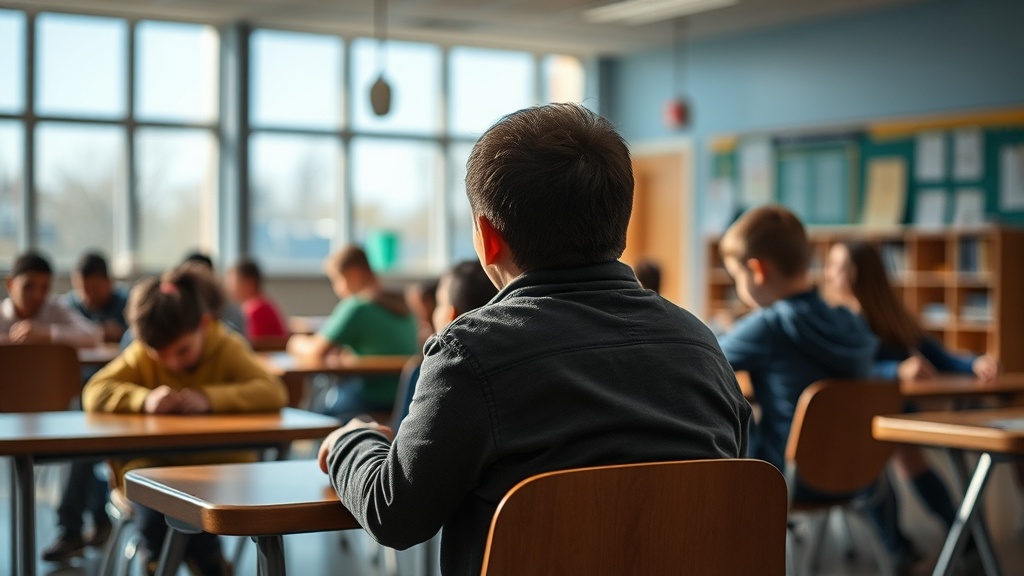
Transforming K-12 Education: Utah's Ambitious Plans for 2026 Legislative Session
Utah's 2026 legislative session aims to reform K-12 education with funding, curriculum, and teacher support initiatives.

As Utah gears up for its 2026 legislative session, education is poised to take center stage, with lawmakers aiming to implement significant reforms in K-12 education. Following a tumultuous 2025 legislative session that saw unprecedented changes in higher education, this year’s focus shifts to the foundational layers of the state’s educational system. With a growing population and evolving educational needs, the legislative agenda is being shaped by a combination of stakeholder input, expert recommendations, and pressing societal demands.
The push for reform is largely fueled by ongoing concerns over student performance, funding disparities, and the need for modernized curriculum that better prepares students for a rapidly changing job market. In recent years, Utah has witnessed a surge in student enrollment, which has placed additional strain on an already stretched educational infrastructure. According to the Utah State Board of Education, enrollment in public schools has increased by over 20% in the last decade, leading to larger class sizes and a pressing need for more resources.
Lawmakers, education advocates, and parents have expressed a desire for a comprehensive review of the K-12 education system. Many are calling for improved funding mechanisms that equitably distribute resources across school districts, particularly those in underserved areas. "Every child in Utah deserves access to a high-quality education, regardless of where they live," said Rep. Angela Romero, a key figure in the education reform discussions. "We need to ensure that all schools have the tools they need to succeed."
In addition to funding reform, discussions are underway about curriculum enhancements that focus on critical thinking, technology integration, and career readiness. The state has been exploring partnerships with local businesses and industries to develop curricula that align more closely with the skills demanded in the workforce. This initiative aims to bridge the gap between education and employment, ensuring that students are not only academically prepared but also equipped with practical skills.
One of the most pressing issues under consideration is the role of standardized testing in evaluating student performance. Critics argue that an overemphasis on testing can stifle creativity and critical thinking. As part of the 2026 legislative agenda, lawmakers are exploring alternative assessment methods that could provide a more holistic view of student learning and development. "We need to move beyond test scores as the sole measure of success," remarked Dr. Sarah Johnson, an education policy expert. "We should be looking at the whole child and how they are growing both academically and socially."
With the state’s budget projected to exceed $20 billion, education advocates are hopeful that lawmakers will allocate a significant portion of funding towards K-12 initiatives. In recent years, state funding for public education has lagged behind the national average, creating disparities that affect students across the state. The Utah Education Association has been vocal in its advocacy for increased investment, emphasizing that improved funding is essential for addressing teacher shortages and enhancing educational resources.
Moreover, teacher recruitment and retention have emerged as critical components of the conversation. Many educators have reported feeling overwhelmed by workload and inadequate support, leading to high turnover rates. To combat this issue, legislative proposals may include incentives for teachers, such as improved salaries, bonuses for those who take on challenging assignments, and increased professional development opportunities. "We know that a great teacher can make all the difference in a student’s life," said UEA President Heidi Matthews. "If we want to attract and keep talented educators, we must invest in them."
As lawmakers prepare to convene, the education community is rallying together to present a unified front, advocating for reforms that prioritize students’ needs and future success. Organizations representing parents, educators, and community members are collaborating to ensure that diverse perspectives are included in the legislative process.
The implications of these proposed changes extend beyond the classroom. With the state’s economy heavily reliant on a skilled workforce, the future of Utah's prosperity is inextricably linked to the quality of education. If successful, the initiatives under consideration could not only enhance educational outcomes but also foster a more equitable society where every child has the opportunity to thrive.
As the 2026 legislative session approaches, the conversations around K-12 education reform in Utah are set to intensify. Educators, parents, and policymakers are poised to engage in a dialogue that could reshape the educational landscape for generations to come. With the stakes higher than ever, all eyes will be on the Capitol as lawmakers work to craft policies that will define the future of education in the Beehive State.