University of Utah President Justifies $4.5 Million Sculpture Purchase Amid Budget Concerns
University of Utah President defends $4.5 million sculpture purchase, emphasizing its role in fostering community and artistic engagement.
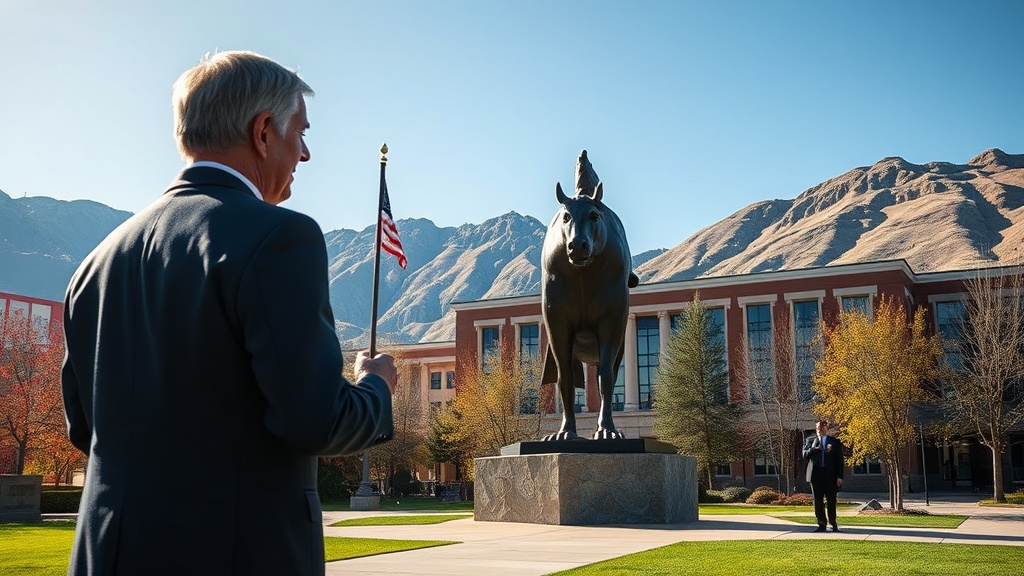
In a bold move that has sparked both curiosity and debate, the University of Utah recently acquired a stunning sculpture for $4.5 million, a purchase that President Taylor Randall has defended amid a backdrop of financial scrutiny. Located at the heart of the university's campus, the statue, which has been described as 'screaming love,' aims not only to beautify the surroundings but also to create a sense of community and belonging among students and faculty.
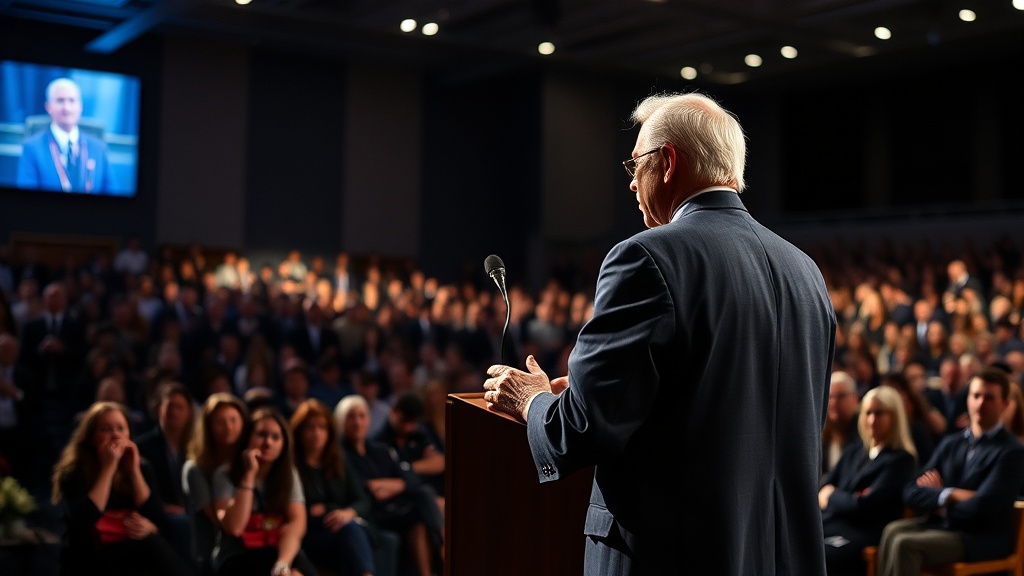
The sculpture, titled "Affinity," was created by renowned artist Richard Serra, known for his large-scale installations that often engage with their environment. Randall explained that the decision to invest such a significant amount in art was not taken lightly, especially considering the university's current budget constraints. He emphasized that art plays a pivotal role in enhancing the educational experience, stating, "Art has the power to inspire and transform. It fosters creativity, encourages dialogue, and builds connections among people."
Despite the enthusiasm from some quarters, the purchase has been met with skepticism from others who question the appropriateness of spending millions on a sculpture when the university is grappling with financial challenges. The University of Utah, like many institutions of higher learning, has been navigating tight budgets exacerbated by the COVID-19 pandemic, which led to decreased enrollment and cuts in funding. These conditions have led to discussions about resource allocation, with some stakeholders expressing concern that funds could have been directed toward more pressing needs, such as student services or academic programs.
In responding to these concerns, Randall highlighted the long-term benefits of investing in art. He noted that the sculpture is expected to become a landmark on campus and a focal point for student gatherings and events. "We envision this piece as a catalyst for community engagement, a place where students can come together to reflect, collaborate, and celebrate their experiences at the university," he explained. This vision aligns with the university's mission to create a vibrant campus culture that promotes inclusivity and connection.
To further contextualize the purchase, university officials pointed to similar investments made by other institutions across the country. Many universities have recognized the importance of art in creating an inviting atmosphere and fostering a sense of pride among students. For instance, the University of California, Berkeley, has made significant investments in public art installations to enhance campus life and promote cultural engagement. Randall expressed hope that the University of Utah's new addition would not only elevate the university's aesthetic but also attract prospective students and enhance its reputation.
The funding for the sculpture was sourced through a combination of private donations and university endowments, which have been allocated specifically for campus beautification projects. Randall clarified that no tuition or state funding was used for this purchase, aiming to alleviate concerns about financial mismanagement. He stated, "This purchase is a thoughtful investment using funds that are specifically earmarked for the arts, ensuring that our core educational mission remains unaffected."
In addition to the economic implications, the choice of the sculpture's theme has been a topic of interest. The concept of 'love' is particularly resonant in today's divided social climate, and Randall believes that the statue will serve as a reminder of the importance of compassion and community. He noted, "In an era where divisiveness seems to be the norm, we felt it was crucial to bring a message of unity and love to our campus. This sculpture embodies that spirit and invites everyone to engage with it in their own way."
As the university moves forward with plans to unveil the sculpture later this semester, excitement is palpable among students and faculty. Plans for a grand ceremony include performances by university musicians and speeches from key stakeholders, all aimed at celebrating the new addition to campus life. Randall expressed optimism about the positive impact the sculpture will have, saying, "We hope this will be a space where students feel inspired and connected to one another, reinforcing the community that we strive to build at the University of Utah."
While the debate around the purchase is likely to continue, Randall remains firm in his belief that investing in art is an investment in the future of the university and its students. As the campus evolves, the enduring presence of 'Affinity' may well serve as a testament to the university's commitment to fostering a rich, inclusive, and engaging educational environment.