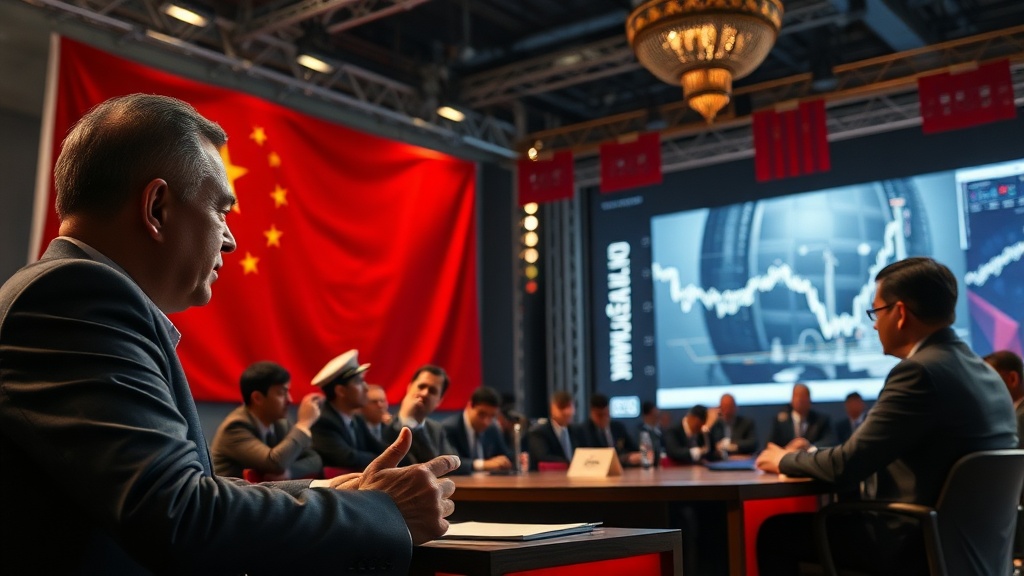
Trump's $12B 'Project Vault' Aims to Reduce U.S. Reliance on China's Rare Earths
President Trump's $12B 'Project Vault' seeks to reduce U.S. dependence on China's rare earths, boosting domestic production and security.
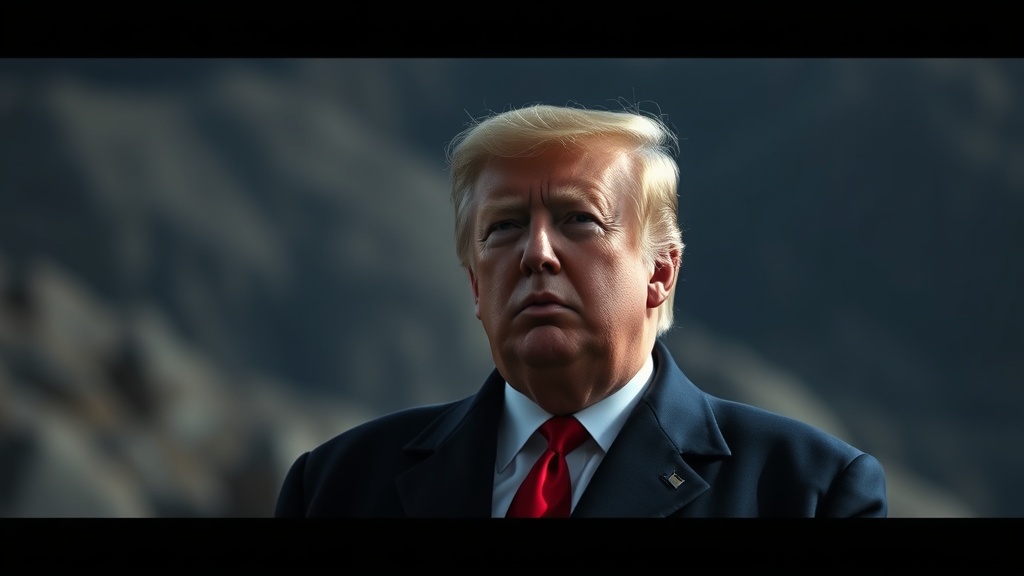
In a bold move aimed at reducing America's reliance on foreign sources of critical minerals, President Donald Trump unveiled 'Project Vault' this week, a $12 billion initiative designed to bolster domestic production of rare earth elements. As tensions between the U.S. and China continue to escalate, particularly in the trade sector, this initiative could mark a significant turning point in the global supply chain of these essential materials.
Rare earth elements, which include a group of 17 chemical elements, are vital for a myriad of technologies ranging from smartphones and electric vehicles to military equipment and renewable energy sources. Currently, China dominates the global supply of these materials, controlling approximately 80% of the rare earths market. This heavy reliance on a single foreign supplier poses significant risks to U.S. industries and national security.
In a press conference announcing Project Vault, President Trump emphasized the urgency of the initiative, stating, 'To be a global leader in technology and innovation, we must secure our supply chains from foreign adversaries. This project will ensure that we are not just consumers of these critical materials but producers.' The initiative aims to diversify the sources of rare earths through investments in mining, processing, and recycling within the United States.
The proposal comes at a time when the U.S. is grappling with increased competition from China, which has leveraged its dominance in rare earth production to gain strategic advantages in various sectors. The geopolitical landscape has shifted dramatically over the past few years, with trade tensions leading to tariffs and restrictions on technology exports. The U.S. has recognized that its heavy dependence on Chinese rare earths could hinder its technological advancements and security measures.
Experts have pointed out that although Project Vault is ambitious, its success will depend on several key factors, including regulatory approvals, environmental concerns, and the need for robust infrastructure to support mining and processing activities. The U.S. has historically faced challenges in establishing domestic rare earth production due to stringent environmental regulations and local opposition to mining operations.
One of the primary objectives of Project Vault is to foster partnerships with private sector companies that specialize in rare earth mining and processing. The Department of Defense has already begun to engage with several firms and universities to explore innovative methods of extracting and processing these minerals domestically. One such partnership is with Lynas Corporation, an Australian rare earth producer, which has been in talks to develop a processing facility in the U.S. This collaboration could significantly reduce the time it takes to bring U.S. produced rare earths to market.
In addition to direct investments in mining, Project Vault aims to promote research and development in recycling technologies. The U.S. Geological Survey has indicated that the recycling of rare earths from old electronics and other products could provide a sustainable alternative to traditional mining. By focusing on recycling, the initiative seeks to create a circular economy where valuable materials are reused rather than discarded.
While the $12 billion investment is substantial, critics argue that it may not be enough to meet the immediate demands of U.S. industries that heavily rely on rare earths. According to Dr. Jane Smith, a leading expert in mineral economics, 'This initiative is a step in the right direction, but it will take time to ramp up production. The U.S. must also consider the long-term implications of mining and processing on local communities and ecosystems.'
The implications of Project Vault extend beyond economics; they touch upon national security, environmental sustainability, and technological innovation. By investing in domestic capabilities, the U.S. aims to reduce its vulnerability to foreign supply chain disruptions, particularly in times of geopolitical tension. Furthermore, a robust domestic rare earth industry could position the U.S. as a leader in the emerging green technologies that rely heavily on these materials.
As Project Vault unfolds, it will be crucial for stakeholders across the industry—from policymakers to environmentalists—to work collaboratively to balance economic growth with environmental protection. The success of this initiative will likely serve as a litmus test for the future of U.S. manufacturing and its ability to adapt in an increasingly competitive global landscape.
In conclusion, President Trump's Project Vault could potentially reshape the future of rare earth production in the United States. By taking proactive steps to secure domestic sources of these critical minerals, the U.S. could not only enhance its national security but also pave the way for a more sustainable and autonomous technological future. As the initiative progresses, all eyes will be on the implementation strategies and the responses from both industry stakeholders and environmental groups alike.