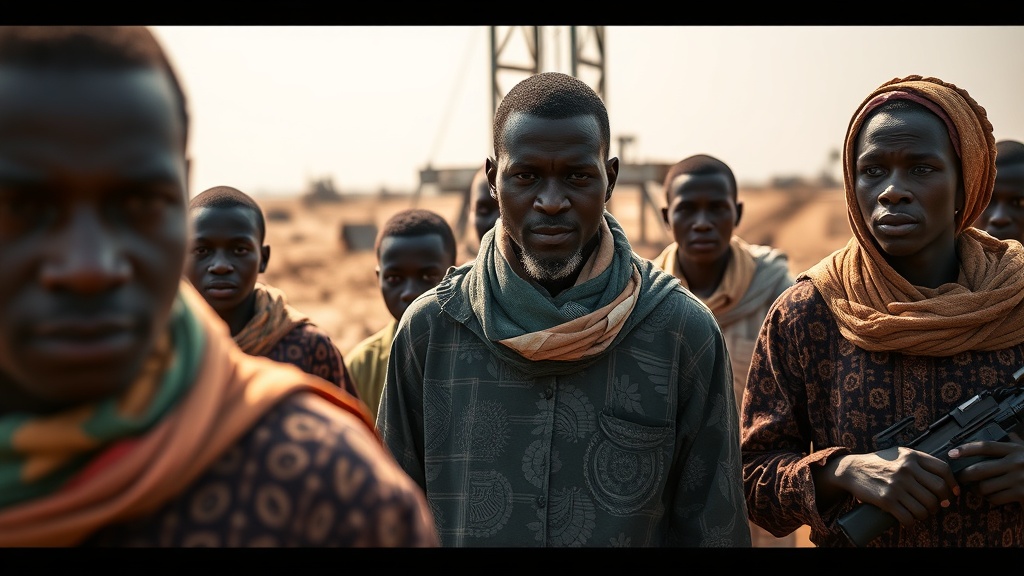
Trump Claims Capture of Venezuelan President Maduro Amid U.S. Military Operations
Former President Trump claims that Venezuelan leader Maduro has been captured during a U.S. military operation, raising questions and skepticism.
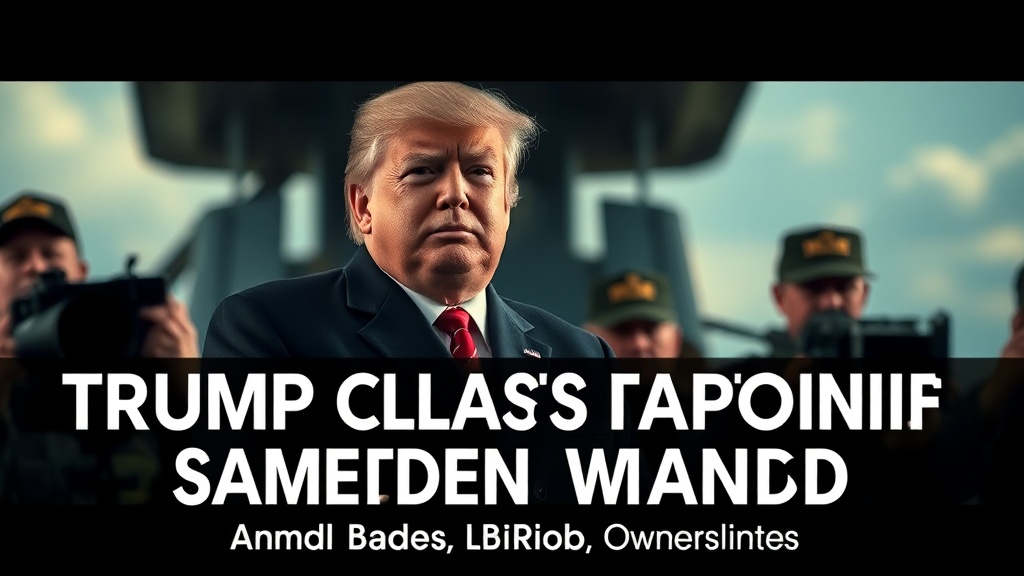
In a startling announcement, former President Donald Trump stated via his social media platform, Truth Social, that Venezuelan President Nicolás Maduro had been captured and flown out of the country during a significant military operation led by the United States. This claim comes amidst growing tensions in Venezuela and a backdrop of U.S. military involvement in foreign affairs, raising questions about the accuracy and implications of such a statement.
Trump's post noted, "This operation was done in conjunction with U.S. Law Enforcement," indicating a coordinated effort between the military and domestic agencies. However, details surrounding the alleged operation remain sparse, and official confirmations from the U.S. government are yet to be provided. This lack of clarity has led to skepticism among political analysts and international observers alike.
The situation in Venezuela has been precarious for several years, characterized by economic turmoil and political strife. Maduro's regime has faced accusations of human rights violations and corruption, leading to widespread protests and an ongoing humanitarian crisis. Many Venezuelans have fled the country in search of better living conditions, while those who remain grapple with severe shortages of food and medicine.
Trump’s assertion aligns with his administration's long-standing stance on the Maduro regime, which has been labeled as a significant threat to democracy and stability in the region. Throughout his presidency, Trump implemented sanctions aimed at crippling the Venezuelan economy, hoping to pressure Maduro to step down. These measures have garnered mixed responses from the international community, with some allies supporting U.S. actions, while others criticize them as exacerbating the suffering of ordinary Venezuelans.
The former president's announcement has not only reignited discussions about U.S. intervention in Latin America but also raised concerns regarding the legitimacy and potential repercussions of military actions in foreign nations. Experts argue that unilateral interventions can lead to unintended consequences that exacerbate existing conflicts rather than resolve them.
Political experts have expressed caution regarding Trump's claims, emphasizing the need for verifiable information before jumping to conclusions. Dr. Maria Gonzalez, a political scientist specializing in Latin American politics, stated, "While the capture of such a high-profile leader could have significant implications for the region, it is crucial to approach these claims with skepticism until we have concrete evidence. The potential for misinformation in such high-stakes scenarios is substantial."
The U.S. military's involvement in Latin America has historically been contentious, often viewed through the lens of U.S. imperialism. Critics argue that past interventions have frequently led to long-term instability. The region's history is rife with examples where U.S. actions, often justified as efforts to promote democracy, have resulted in power vacuums or civil unrest.
Additionally, the announcement comes at a time when the Biden administration is grappling with its foreign policy direction, particularly toward Latin America. The administration has sought to engage more diplomatically with regional partners but faces the legacy of previous confrontations. As such, any confirmation or denial of Trump's claims could significantly impact U.S. relations with not only Venezuela but also its allies in the region who are watching closely.
As of now, there has been no official response from the Biden administration regarding Trump's claims. U.S. Defense Department spokespersons have reiterated their commitment to supporting democratic movements globally but have not commented directly on the matter. The lack of immediate clarification raises questions about the veracity of Trump's statement and the potential motives behind it.
The unfolding situation necessitates careful monitoring, as the implications of such military actions could dramatically alter the political landscape in Venezuela and beyond. If Maduro has indeed been captured, it could signal a shift in power dynamics not only in Venezuela but also throughout Latin America, where the influence of U.S. foreign policy remains a contentious issue.
In conclusion, Trump's announcement about Maduro's capture has sparked a flurry of inquiries and skepticism. As the world awaits more information, the potential implications for U.S.-Venezuela relations and regional stability hang in the balance. As history has shown, the stakes in foreign military operations are high, and the consequences of such actions can reverberate far beyond the immediate conflict. The coming days and weeks will be crucial in determining the accuracy of these claims and the future of U.S. involvement in Venezuela and the broader Latin American region.