Super Bowl 60 Ads Reach Record-Breaking Prices Amid Viewer Expectations
Super Bowl 60 sees record-breaking ad prices as brands compete for viewer attention, with costs soaring between $8M to $10M for 30 seconds.
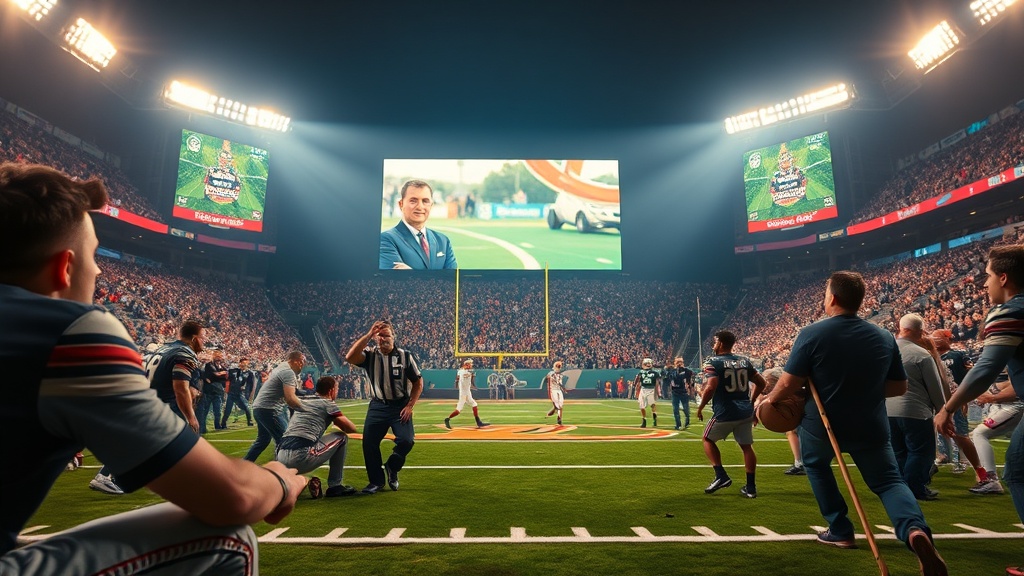
As the excitement for Super Bowl 60 intensifies, the advertising landscape is witnessing unprecedented financial stakes. The annual sporting event, renowned not only for thrilling football action but also for its highly anticipated commercials, has set new records this year. Advertisers are shelling out between $8 million and $10 million for a coveted 30-second slot, a figure that does not even account for the additional costs associated with production and celebrity endorsements. This year, the price reached unprecedented heights, reflecting the fierce competition among brands vying for the attention of what is expected to be the largest television audience of the year, with estimates nearing 128 million viewers.
"It really did break all records this year," stated Walt McRoberts, a partner at MHK Advertising based in Salt Lake City. McRoberts noted that while the average cost of a Super Bowl ad has hovered around $8 million in recent years, some companies have gone as far as paying up to $10 million for a prime advertising spot. MHK Advertising has a track record of success in securing commercial placements for clients, including Big O Tires, which is gearing up to unveil its ad during this year’s highly anticipated game.
The significant financial investment in Super Bowl ads is not without risk. McRoberts emphasized that while some brands see substantial returns from their advertising efforts, others may not recoup their investment. "Not all companies get their money back," he remarked, highlighting that some advertisements may falter creatively or overspend on celebrity influencers. However, many brands that successfully resonate with their audiences can generate significant profits, turning the Super Bowl ad slot into a worthwhile investment.
The emotional connection that Super Bowl ads aim to establish with viewers is a critical component of their success. Brands are increasingly focusing on tapping into the prevailing sentiments of the audience, which can significantly influence the effectiveness of their messaging. Reflecting on trends from recent years, McRoberts noted, "During COVID, we saw a lot more drama and emotion in advertisements. This year, I think we will see more humor."
In an effort to engage audiences, advertisers are crafting spots that range from laugh-out-loud moments to self-deprecating humor featuring celebrities. The goal is to evoke emotions that may influence purchasing decisions long after the final whistle blows. McRoberts emphasized the importance of making a product stand out in such a competitive advertising environment, stating, "They really need to focus on what makes their product unique, and sometimes that means humor."
For those in the advertising industry, Super Bowl Sunday transcends being merely a day of football; it represents their equivalent of a championship game. "We watch it somewhat for the football, but we're really watching it for the ads. That's our Super Bowl," McRoberts shared, illustrating the significance of this annual event for marketers and advertisers alike.
The implications of these high-stakes ad purchases extend beyond immediate returns. As brands aim to create memorable moments that resonate with viewers, the cultural impact of Super Bowl commercials remains pronounced. A successful ad can become part of popular culture, generating discussions and buzz on social media platforms long after the game concludes.
Once the final whistle sounds, it is ultimately the viewers at home who will determine which ads were worth the multi-million-dollar gamble. The assessment of an ad’s effectiveness can be subjective, influenced by personal preferences, humor, and emotional resonance. As audiences tune in to enjoy the game, they will also play a pivotal role in shaping the narrative of which brands emerged victorious in the advertising arena.
In conclusion, as Super Bowl 60 approaches, advertisers are gearing up for a monumental showdown not just on the field, but in the realm of creative marketing. With record-breaking prices commanding attention, the stakes have never been higher for brands aiming to leave a lasting impression on one of the largest television audiences of the year. The outcome may not only define the success of individual campaigns but also set trends for future advertising strategies in a rapidly evolving marketplace.