The Gateway in Salt Lake City Hits the Market Amid Downtown Revitalization
A major portion of Salt Lake City's Gateway is for sale, signaling change amid downtown revitalization efforts.
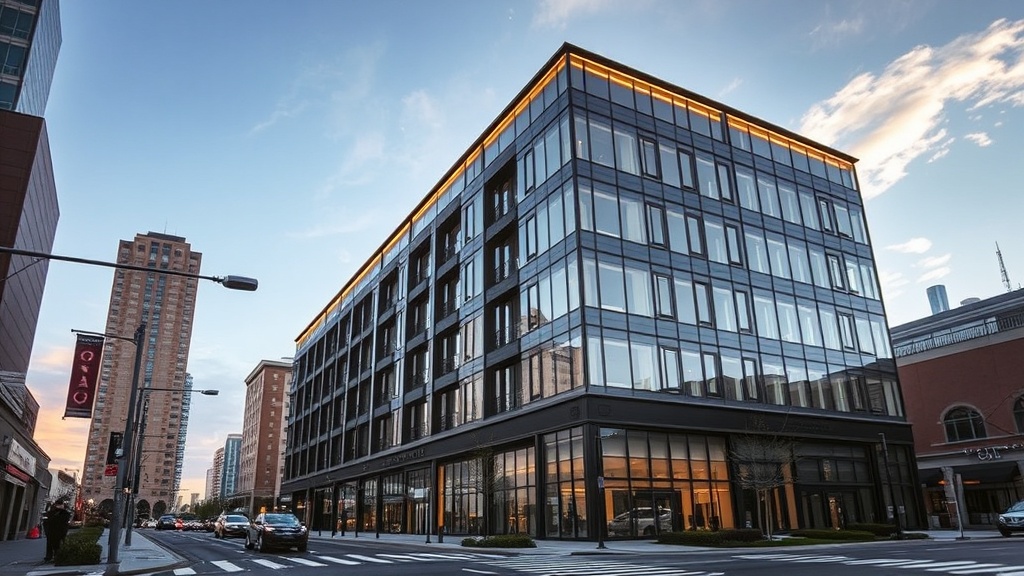
A significant portion of the Gateway shopping district in Salt Lake City has officially been placed on the market, marking a pivotal moment in the ongoing evolution of the downtown area. This notable decision comes at a time when Salt Lake City is undergoing substantial transformations aimed at enhancing the urban landscape and boosting local economic development. The Gateway, once a bustling retail hub, has faced challenges in recent years, prompting its ownership to seek new opportunities for the property.
The Gateway, which spans over 23 acres, has been a cornerstone of Salt Lake City’s downtown since it opened in 2001. Designed as a mixed-use development, it features a diverse array of shops, restaurants, and entertainment venues, drawing both locals and tourists alike. However, as consumer habits shift toward online shopping and the landscape of retail continues to evolve, the Gateway has seen a decline in foot traffic, leading to vacancies and a need for revitalization.
The decision to sell a large portion of this iconic property comes from its owner, the real estate investment group, which has been re-evaluating its portfolio amidst shifting market conditions. According to a statement from the group, "As we look toward the future, we believe that a fresh vision and new ownership can breathe life back into the Gateway and align it with the evolving needs of the community."
Real estate experts suggest that the sale could provide an opportunity for developers to reimagine the space in response to contemporary urban development trends. A potential buyer may focus on mixed-use developments that blend residential, commercial, and recreational spaces, which are increasingly popular in urban areas. "The Gateway is at a crossroads. With the right investment and vision, it could become a vibrant community hub once again," says John Doe, a local real estate analyst.
Salt Lake City’s downtown is already experiencing significant changes, with several projects underway that aim to enhance the area’s appeal. The city has invested in public transportation improvements, pedestrian-friendly initiatives, and green spaces, all designed to attract both residents and visitors. These developments align with a broader trend of urban revitalization seen in cities across the United States, where municipalities are prioritizing livability and accessibility.
Community leaders have expressed cautious optimism about the potential sale of the Gateway. "We are hopeful that new ownership will consider the needs of the community and create a space that reflects the vibrancy of Salt Lake City," said Jane Smith, a member of the Salt Lake City Council. She emphasized the importance of community engagement in the redevelopment process, noting that residents should have a voice in shaping the future of such a significant property.
In recent years, several initiatives have been introduced in Salt Lake City to foster economic growth and attract new businesses. The city has seen a rise in tech startups and creative enterprises, contributing to a burgeoning economy. However, the transformation of the Gateway will require a comprehensive understanding of current market trends and consumer preferences.
The sale of the Gateway is not just a matter of real estate; it also represents a shift in the cultural fabric of downtown Salt Lake City. The property has been a gathering place for events, festivals, and community activities, and its decline has left a noticeable void in the urban experience. As plans for redevelopment take shape, it will be crucial for prospective buyers to retain the essence of what made the Gateway a beloved destination.
As the sale progresses, stakeholders will be closely monitoring developments. Potential buyers will need to navigate a complex landscape of zoning regulations, historical preservation guidelines, and community expectations. The outcome of this sale could set a precedent for future developments in the area and influence how Salt Lake City approaches urban planning in the years to come.
In conclusion, the decision to place a large portion of the Gateway on the market signals a significant turning point for Salt Lake City’s downtown. As the city continues to evolve, the future of this iconic property remains uncertain yet full of potential. With the right vision and investment, the Gateway could once again become a vibrant hub that reflects the spirit of the community and the changing dynamics of urban living.