Southwest Airlines Transitions to Assigned Seating After 53 Years of Open Seating
Southwest Airlines ends its 53-year open seating policy with new assigned seating to enhance customer experience and efficiency.
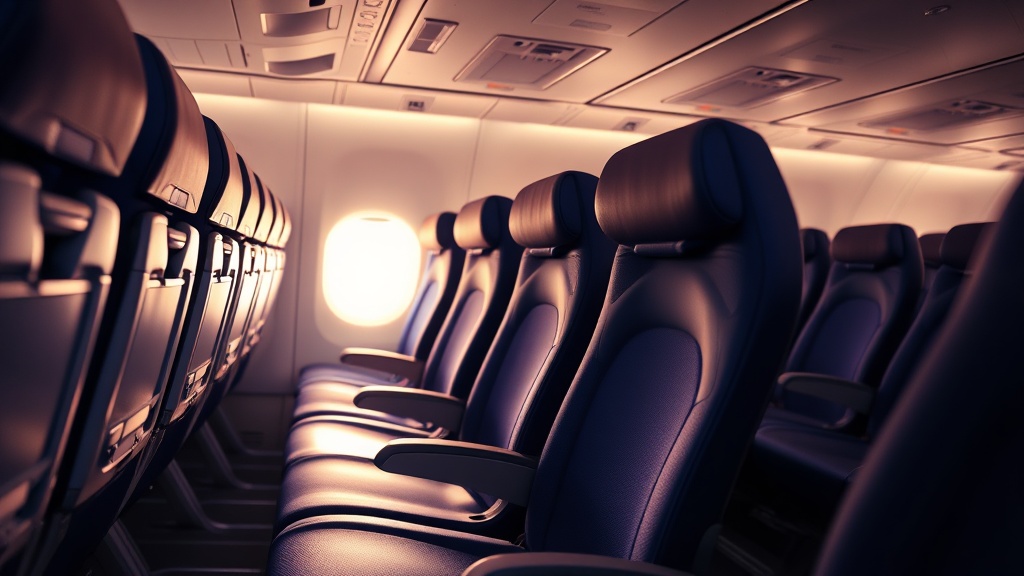
In a historic shift for one of America’s most recognizable airlines, Southwest Airlines has officially implemented assigned seating as of Tuesday, marking the end of a 53-year tradition of open seating. This change comes as part of a larger effort by the airline to streamline operations and enhance the customer experience. For decades, Southwest has prided itself on its unique boarding process, allowing passengers to choose their own seats upon boarding. However, the airline now aims to improve efficiency and reduce boarding times, which have become increasingly problematic as travel demand rises.
The decision to adopt assigned seating was announced earlier this year, with Southwest executives emphasizing that the move is designed to maintain the airline’s competitive edge in a rapidly changing aviation landscape. “We believe that assigned seating will simplify the boarding process and provide our customers with a more predictable flying experience,” said Gary Kelly, Southwest’s CEO, in an official statement. The airline has faced mounting pressure from travelers who have expressed frustration over the randomness of open seating, which sometimes leads to disputes over seat selection and contributes to longer boarding times.
Travel experts have noted that assigned seating can enhance passenger satisfaction by allowing travelers to secure their preferred seats in advance, potentially reducing anxiety associated with boarding. “For many travelers, especially families or those flying with small children, the ability to choose seats ahead of time is a significant advantage,” explained aviation analyst Mark Murphy. This sentiment is echoed by a growing number of airlines that have shifted to assigned seating policies in recent years, as customer expectations continue to evolve.
Southwest’s new seating protocol will also include a tiered boarding process, which will be structured to facilitate a smoother transition from the boarding area to the aircraft. Passengers will be assigned a boarding group based on their check-in time, allowing for a more organized and efficient boarding sequence. This method is similar to approaches taken by other airlines, which have seen success in reducing congestion and improving overall boarding times.
In conjunction with the assigned seating rollout, Southwest is also enhancing its overall customer service offerings. The airline is investing in new technology to improve its mobile app, enabling passengers to manage their bookings more effectively. Features such as real-time updates on flight status, gate changes, and baggage tracking are designed to empower travelers with more information and control over their journey. Additionally, Southwest is looking to expand its in-flight services, potentially offering more meal options and upgraded entertainment systems as part of its commitment to customer satisfaction.
While the introduction of assigned seating marks a significant departure from the airline’s long-standing tradition, it reflects broader trends within the aviation industry. In recent years, many airlines have adopted more structured systems to cope with the increasing number of passengers and the complexities of modern air travel. Southwest’s decision may signal a broader industry shift as airlines adapt to changing customer preferences and seek to improve operational efficiency.
Observers also note that this shift could impact Southwest’s brand identity, which has historically been associated with a more relaxed and casual flying experience. The airline has built a loyal customer base around its unique culture, which emphasizes freedom of choice and a friendly atmosphere. However, industry experts suggest that the practical benefits of assigned seating may ultimately outweigh any potential branding concerns. “This is a necessary evolution for Southwest,” stated travel consultant Linda O’Leary. “In order to remain competitive, they need to align their operations with what customers are looking for today.”
As the aviation industry continues to recover from the impacts of the COVID-19 pandemic, airlines like Southwest are navigating a rapidly changing landscape. The introduction of assigned seating could serve as a pivotal moment in the airline’s history, setting the stage for future innovations and improvements in service. For travelers, this means a new era of flying with Southwest Airlines that promises to balance efficiency with the company’s commitment to customer care.
In conclusion, as Southwest Airlines embarks on this new chapter, the move to assigned seating represents not just a logistical change, but a response to evolving passenger expectations. With enhancements to boarding procedures and customer service initiatives on the horizon, travelers can anticipate a more streamlined and enjoyable flying experience. Only time will tell how this change will be received by loyal customers, but for now, Southwest is poised to redefine its approach to air travel in the modern age.