Severe Geomagnetic Storm Watch: Northern Lights May Illuminate Utah Skies Tonight
Utah residents prepare for a potential display of northern lights tonight as NOAA issues a severe geomagnetic storm watch, raising excitement across the state.
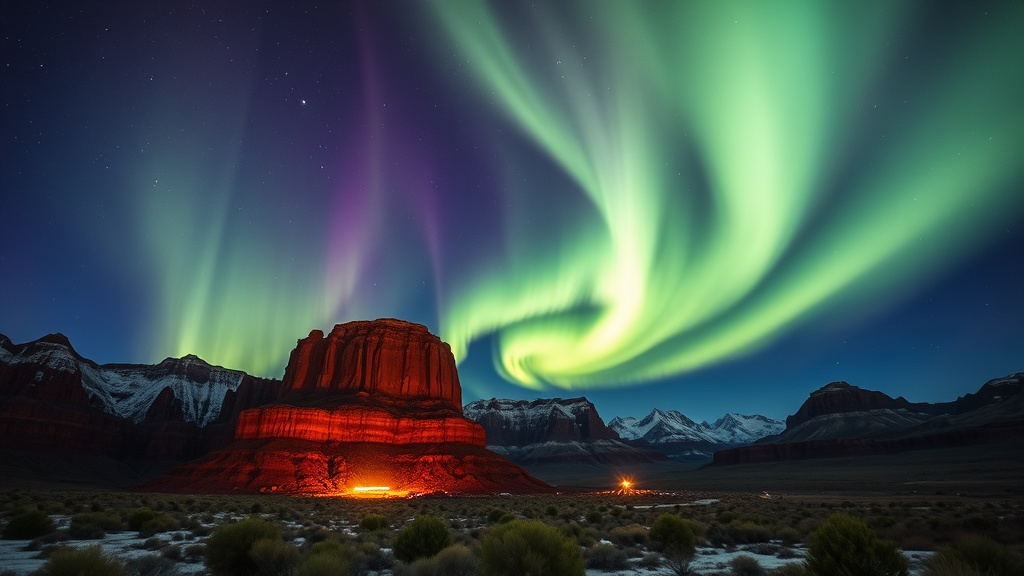
PARK CITY, Utah — Skywatchers across Utah are gearing up for a potential celestial spectacle tonight as the National Oceanic and Atmospheric Administration (NOAA) has issued a G4 (severe) geomagnetic storm watch. This exciting development comes in the wake of a coronal mass ejection (CME) from the sun, which was launched on January 18 and is expected to reach Earth as early as late January 19, Eastern Time. The NOAA's Space Weather Prediction Center has indicated that while initial storm levels may range from minor to strong, they could intensify further, leading to the possibility of visible auroras.
According to reports from Space.com, the incoming CME has the potential to push the visibility of the northern lights unusually far south, affecting up to 24 states. The forecast has even extended the “view line” as far south as Colorado, raising hopes for those in the interior West. However, for residents of Park City and Summit County, the odds of witnessing a vibrant display are somewhat lower, as these areas sit south of the typical aurora cutoff line. Meteorologist Chase Thomason has encouraged local residents to keep their eyes on the sky, emphasizing the importance of finding a dark spot away from city lights to enhance their chances of catching a glimpse of this natural phenomenon.
The likelihood of seeing the northern lights in Utah tonight hinges largely on the magnetic orientation of the CME as it arrives. Space.com has highlighted that if the CME’s magnetic field aligns southward, it can effectively couple with Earth’s magnetic field, resulting in stronger geomagnetic storming. Conversely, a northward orientation may reduce the intensity of the display. This magnetic interaction is crucial in determining the visibility and intensity of the auroras, making the outcome uncertain until the CME makes contact with Earth's atmosphere.
For those in Utah eager to witness the natural light show, NOAA has provided a timeframe for optimal viewing. The strongest storming is anticipated between 1 a.m. and 4 a.m. Eastern Time on January 20, translating to 11 p.m. to 2 a.m. for residents in Utah on the night of January 19 into early January 20. While these hours are forecasted for peak activity, conditions may vary, and early viewing opportunities could arise soon after nightfall.
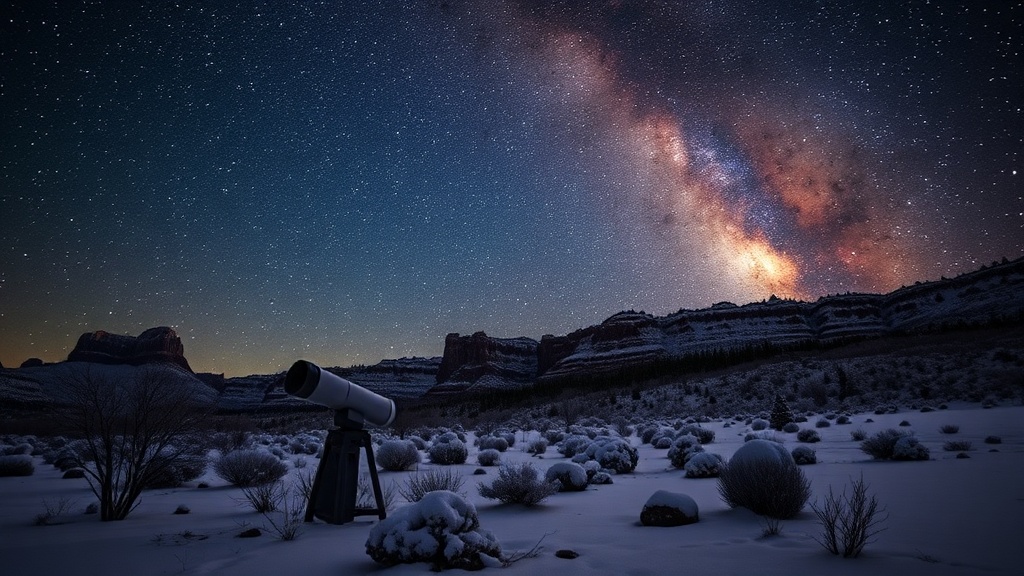
To improve the chances of spotting the northern lights, NOAA’s aurora products emphasize several practical tips for skywatchers. First and foremost, it is essential to escape the glow of city lights, as even minimal light pollution can wash out a faint auroral display. Finding a location with a clear view of the northern horizon is equally important. Local observers are urged to be patient, allowing their eyes to adjust to the darkness while continually monitoring the sky, as auroras can surge, fade, and reappear in waves.
A few additional recommendations include using a smartphone camera with a night mode feature, which can capture and enhance faint green bands of light that may not be immediately visible to the naked eye. This technology can serve as a helpful tool for amateur astronomers and casual observers alike. Moreover, individuals should dress warmly, as temperatures can drop significantly during nighttime hours, and safety is paramount; parking should be done safely, avoiding road shoulders and other hazardous areas.
As excitement builds in the community, local astronomy clubs and organizations have also taken to social media platforms to spread the word and encourage residents to engage in this spectacular astronomical event. Many enthusiasts are planning to gather in groups, sharing tips and experiences while keeping an eye on the evolving storm forecasts. The shared anticipation of witnessing the northern lights serves as a reminder of the beauty and wonder of our universe, capturing the imagination of both seasoned astronomers and casual observers.
While the exact outcome remains uncertain, the potential for a breathtaking display of the northern lights has sparked enthusiasm and curiosity among residents of Utah. As skywatchers prepare for a night under the stars, the hope is that the celestial dance of colors will light up the night sky, creating unforgettable memories for those fortunate enough to witness it. Whether or not the auroras materialize, the event serves as an opportunity for communities to come together and appreciate the marvels of nature, fostering a sense of wonder and connection among neighbors and friends alike.