Sen. Mike Lee Raises Constitutional Concerns Over U.S. Military Action in Venezuela
Senator Mike Lee raises constitutional concerns over a U.S. military strike in Venezuela that captured President Maduro.
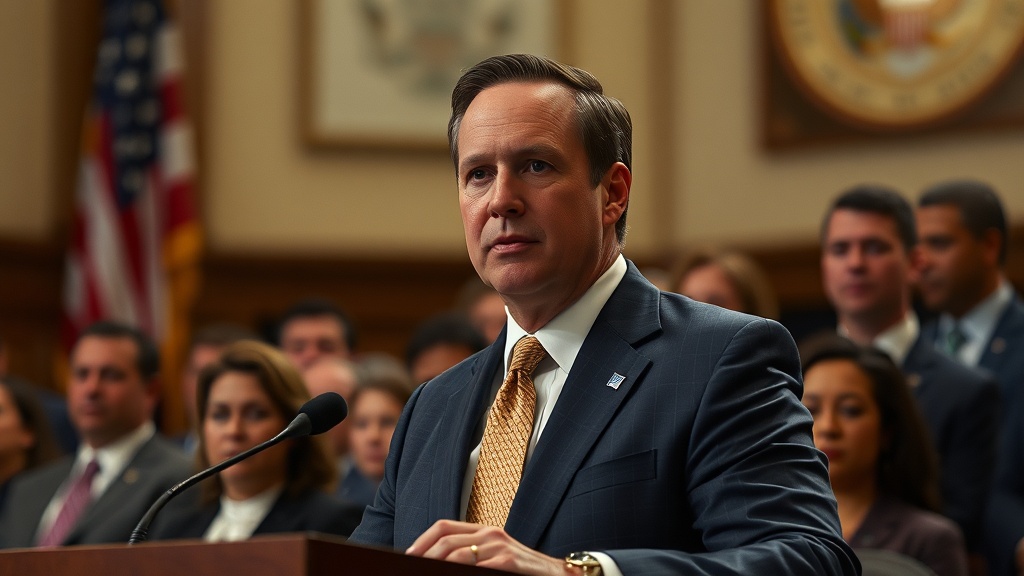
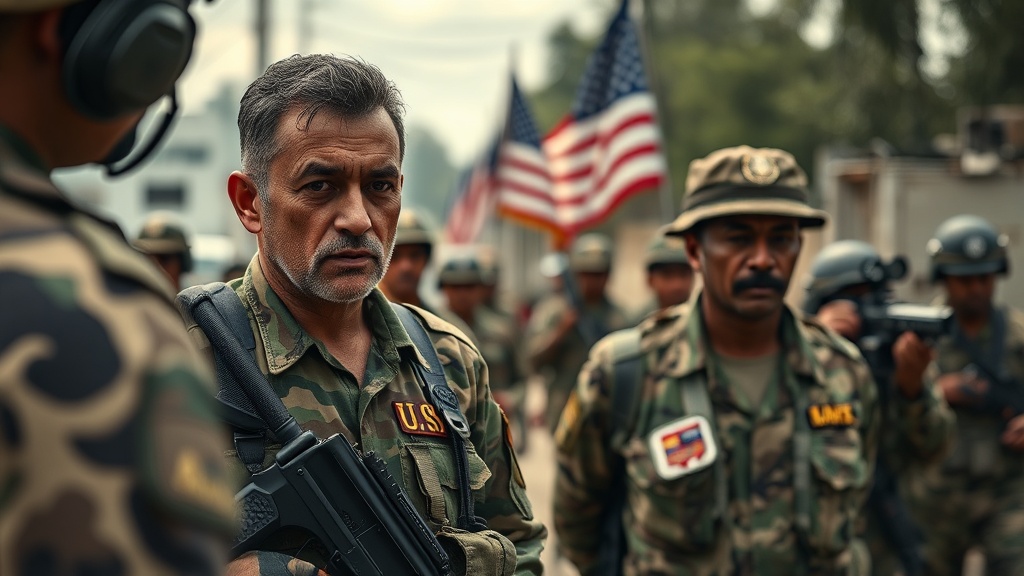
In a dramatic escalation of international tensions, Senator Mike Lee, a prominent member of the U.S. Senate, expressed concerns regarding the constitutionality of a military strike carried out by the United States in Venezuela early Saturday morning. This strike, which reportedly captured Venezuelan President Nicolás Maduro, has ignited a heated debate over the legality and ramifications of U.S. military intervention in foreign nations.
The military action, described by some as both a necessary response to humanitarian crises and a controversial infringement on sovereignty, has led to a fracture in political opinions, even within the U.S. government. Lee, a Republican from Utah, voiced his apprehensions on social media, asserting that such military operations must adhere to constitutional guidelines that limit the executive branch's power to engage in military actions without congressional approval. "The Constitution is clear: Congress has the power to declare war, and any military action must align with that fundamental principle," Lee stated.
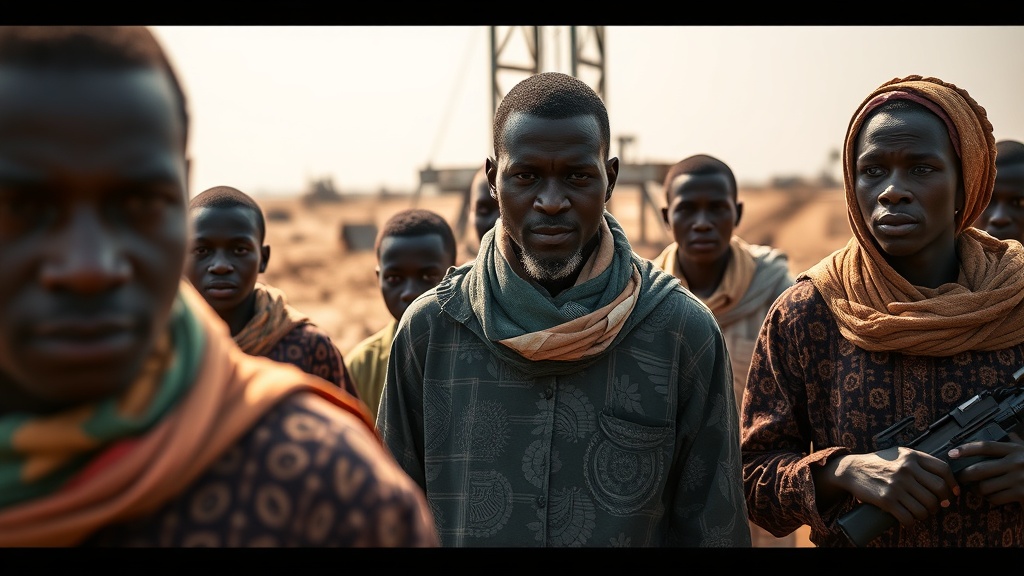
This strike comes amid a backdrop of escalating instability in Venezuela, where economic collapse, political strife, and humanitarian crises have pushed millions to flee the country. The United States has long been critical of Maduro’s regime, accusing it of human rights violations and corruption. Over the years, the U.S. has imposed sanctions aimed at crippling the Venezuelan economy, but those measures have had limited success in prompting political change.
In recent months, diplomatic relations between the U.S. and Venezuela have taken an unexpected turn. Following a series of negotiations and back-channel communications, there were glimmers of hope for a political resolution to the ongoing crisis. However, the Saturday morning strike seemingly obliterated any progress made towards dialogue. Critics of the strike argue that such a drastic measure could further destabilize the region and provoke retaliatory actions from Latin American allies of Venezuela.
The implications of this military action are vast. International law experts are already weighing in on the potential violations of sovereignty and the United Nations Charter, which prohibits the use of force against the territorial integrity of a state. The United States has historically justified military interventions under the guise of protecting human rights or combating terrorism, but Lee's questioning reflects a growing concern among lawmakers about the precedent such actions set.
Furthermore, the timing of the strike could not be more precarious, as it coincides with a period of heightened political polarization within the U.S. The Biden administration faces scrutiny from both sides of the aisle, with some Democrats condemning the action as reckless and some Republicans supporting it as a necessary move to restore democracy in Venezuela. This division has raised concerns regarding the administration's foreign policy strategy and its commitment to diplomatic solutions.
In the wake of the strike, Lee is not alone in his critique. A coalition of lawmakers has begun to gather support for a resolution that would formally challenge the legality of the administration's actions. This coalition includes both progressive Democrats who are wary of military interventions and libertarian-leaning Republicans who align with Lee’s constitutional concerns. "We must hold the executive branch accountable and ensure that any military action is both constitutional and justified," said Representative Ilhan Omar, who has been vocal in her opposition to military engagements.
As the situation in Venezuela continues to unfold, the U.S. public is left grappling with the implications of this military action. Public opinion on such interventions tends to be divided; many Americans are wary of further entanglements in foreign conflicts, especially after decades of military involvement in the Middle East. The administration now faces the daunting task of not only managing the fallout from this military strike but also addressing the humanitarian needs of the Venezuelan people.
In conclusion, the constitutional questions raised by Senator Mike Lee regarding the recent military strike on Venezuela highlight a crucial conversation about the balance of power in U.S. foreign policy. As the nation watches the developments in Venezuela, lawmakers and citizens alike will be watching closely to see how this event shapes future discussions about military intervention, executive authority, and the role of Congress in matters of war and peace. The path forward remains uncertain, but the stakes are undeniably high, both for the people of Venezuela and for the integrity of U.S. constitutional governance.