Salt Lake County Realtors Predict Housing Market Trends for 2026
Realtors in Salt Lake County forecast significant housing market shifts by 2026, addressing trends, challenges, and opportunities during the annual Housing Forecast event.
In a comprehensive examination of the future of the housing market in Salt Lake County, real estate professionals from across Utah gathered for the annual Housing Forecast event. Held at the Salt Lake City Convention Center, the event attracted a diverse group of participants, including realtors, economists, and industry analysts. The discussions centered around anticipated trends, market dynamics, and the broader economic factors that will influence housing in the coming years.
The event kicked off with a keynote address from renowned housing market analyst Dr. Sarah Thompson, who emphasized the importance of understanding local demographics in predicting housing market trends. "Salt Lake County is experiencing significant population growth, driven by its appeal to young professionals and families seeking a high quality of life," Dr. Thompson stated. "This growth is a double-edged sword, as it indicates demand for housing but also presents challenges in terms of affordability and availability."
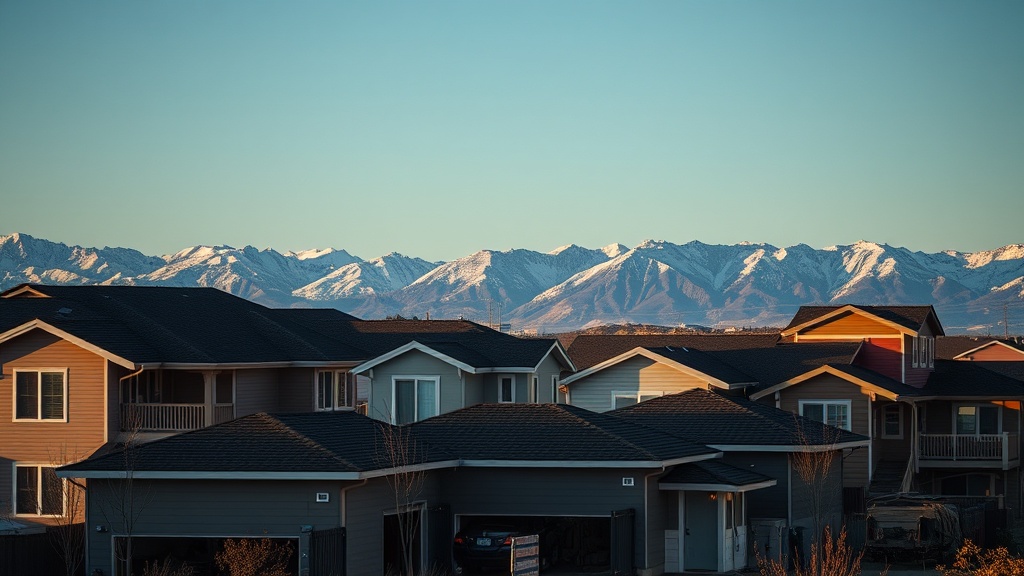
According to recent data presented during the conference, Salt Lake County's population has grown by over 10% in the last five years, creating a substantial impact on the housing market. The influx of new residents has led to increased competition for homes, resulting in rising prices and a limited inventory. The average home price in Salt Lake County has surged to approximately $550,000, a significant increase compared to previous years.
Local realtor Mark Jensen, who has been active in the Salt Lake City market for over a decade, provided insights into how rising prices are affecting buyers. “Many first-time homebuyers are feeling priced out of the market,” Jensen explained. “With interest rates also fluctuating, it’s becoming increasingly difficult for them to secure financing.”
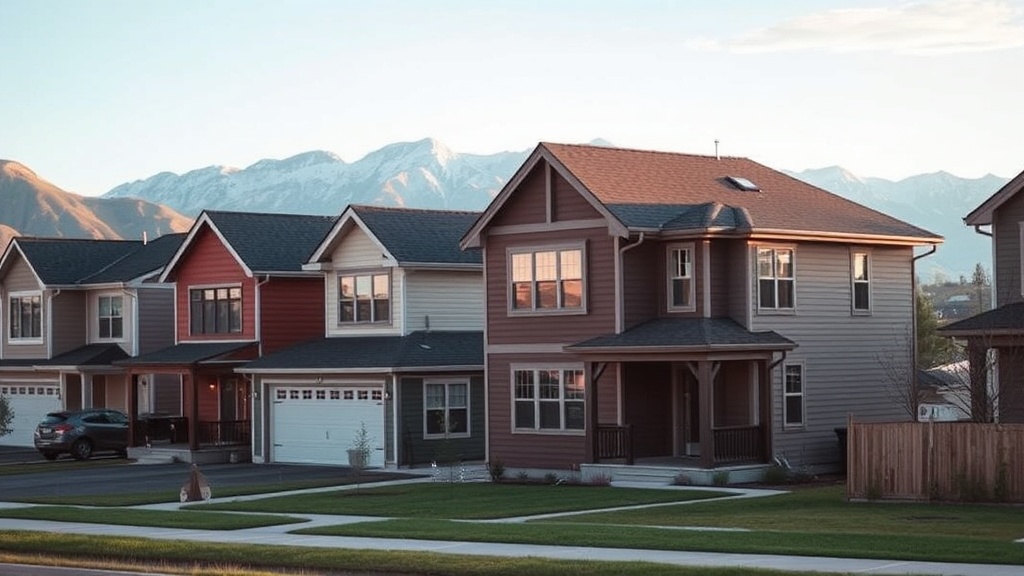
The event also addressed the shifting landscape of housing types. Panel discussions highlighted a growing demand for multi-family units and affordable housing options. As more individuals and families seek rental properties, developers are responding by focusing on building townhomes, duplexes, and apartments. "We are seeing a trend where people are prioritizing convenience and community over traditional single-family homes," noted local developer Lisa Chen. "This shift is crucial for meeting the needs of our ever-evolving population."
In addition to demographic shifts, the event underscored the importance of economic factors that will shape the housing market through 2026. With significant investments in infrastructure and technology by both private and public sectors, Salt Lake County is poised for continued growth. For instance, projects like the expansion of public transit systems and new commercial developments are likely to enhance the desirability of certain neighborhoods, potentially driving up home values in those areas.
Economic analysts also pointed to the growth of remote work as a factor influencing housing decisions. A recent survey conducted by the Utah Association of Realtors indicated that nearly 40% of respondents are considering relocating within the county as a result of increased flexibility in work arrangements. This trend has led to an uptick in demand for homes in suburban areas, where larger spaces and quieter environments attract those seeking a balance between work and lifestyle.
However, the forecast is not without its challenges. The panelists expressed concerns over potential economic downturns, rising interest rates, and the impact of inflation on consumer spending. "While the current market shows promise, we must remain vigilant about external factors that could disrupt this growth trend," warned economist Dr. Emily Carter. "Understanding these risks is essential for both buyers and realtors in making informed decisions."
As the event concluded, realtors were encouraged to adapt their strategies to navigate the evolving market landscape. The emphasis on collaboration and communication among industry professionals emerged as a key theme, with many agreeing that sharing insights and resources will be crucial in addressing the challenges ahead.
The Housing Forecast event serves as a reminder that while Salt Lake County’s housing market faces difficulties, there are also numerous opportunities for growth and innovation. As realtors and stakeholders prepare for the future, the insights gained from this year's discussions will undoubtedly play a significant role in shaping the local real estate landscape over the next few years. With continued population growth, evolving buyer preferences, and economic factors at play, all eyes will be on Salt Lake County as it navigates the complexities of its housing market heading into 2026 and beyond.