Rocky Mountain Power's Plans Raise Concerns for Utah Consumers' Bills
Rocky Mountain Power's plans raise concerns about rising electricity costs for Utah consumers, prompting calls for accountability and transparency.
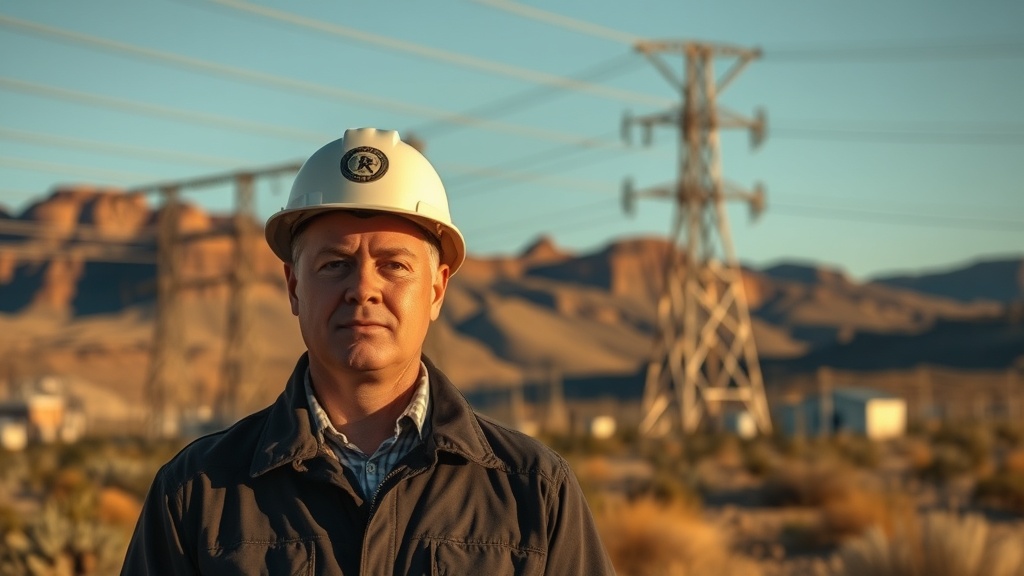
As Utah residents grapple with rising electricity costs, many are looking forward to potential relief in 2026. However, recent developments involving Rocky Mountain Power (RMP) suggest that consumers may face further financial burdens instead. The utility company, which serves approximately 1.1 million customers in Utah, is at the center of a contentious debate regarding its infrastructure investments and long-term planning strategies.
In a recent letter to the editor, a concerned citizen highlighted the impact of RMP's decisions on household budgets and the overall economy. "Are you tired of seeing your electricity bill rise each year?" the letter begins, expressing a sentiment shared by many Utahns. The writer's plea underscores a growing frustration with the utility's management and its apparent lack of foresight in addressing the energy needs of the state.
Electricity rates in Utah have been on a steady incline over the past few years. According to data from the U.S. Energy Information Administration, residential electricity prices in Utah rose by nearly 10% from 2020 to 2021 alone. This trend, exacerbated by inflation and supply chain issues, has left consumers feeling the pinch, prompting calls for greater accountability from RMP.
Rocky Mountain Power has proposed several initiatives aimed at modernizing its infrastructure, including investments in renewable energy sources and grid upgrades. While these efforts are critical for long-term sustainability, critics argue that RMP's approach lacks a strategic vision and fails to adequately consider the immediate financial impact on consumers.
“While we understand the need for infrastructure improvements, we believe that these costs should not disproportionately affect Utah families,” said a spokesperson for the Utah Division of Public Utilities. “We are committed to ensuring that utility companies like RMP prioritize consumer interests alongside their growth objectives.”
In a recent filing with the Utah Public Service Commission, RMP outlined its plans for the next several years, which include significant capital expenditures. Critics argue that these plans may lead to higher rates for consumers, as the costs associated with infrastructure upgrades are likely to be passed down to customers. The commission is currently evaluating these proposals, and public hearings are scheduled to take place in the coming months.
The concerns surrounding RMP's plans are not just about immediate costs; they also touch on broader issues of energy equity and the transition to renewable energy. With Utah's abundant natural resources, including solar and wind, many advocates argue that the state should be leading the charge toward sustainable energy solutions. Yet, RMP's current trajectory raises questions about whether the utility is truly committed to these principles or merely seeking to protect its profit margins.
Additionally, the potential for a devastating wildfire season further complicates the situation. With climate change exacerbating drought conditions and increasing temperatures, utility companies across the West are under pressure to mitigate fire risks associated with power lines and infrastructure. RMP's response to these challenges will be pivotal not only for the utility's reputation but also for the safety and financial well-being of the communities it serves.
Local legislators are also weighing in, expressing concern over the implications of RMP's plans. “We have a responsibility to our constituents to ensure that they are not unduly burdened by rising energy costs,” stated State Representative Steve Handy. “It’s essential that RMP engages in transparent planning that puts consumers first.”
As the debate unfolds, Utahns are left wondering what the future holds for their electricity bills. With the specter of rising rates looming, many are calling for a more collaborative approach between RMP, regulators, and the communities they serve. Advocates for consumer rights are pushing for increased regulatory oversight and greater transparency around RMP's financial decisions, hoping to ensure that the needs of everyday Utahns are prioritized in the utility's planning process.
As we look ahead to 2026 and beyond, the actions taken by Rocky Mountain Power in the coming months will have lasting implications for the state’s energy landscape and its consumers. The growing calls for accountability and strategic foresight may ultimately shape the future of electricity in Utah, impacting not just the economy but the quality of life for countless residents.
In conclusion, while the promise of relief in 2026 offers a glimmer of hope for consumers, the path to achieving that relief is fraught with challenges. The actions of Rocky Mountain Power, coupled with regulatory scrutiny and public advocacy, will play a crucial role in determining whether Utahns can expect to see meaningful changes in their electricity bills or if they will continue to bear the brunt of rising costs amidst an evolving energy landscape.