Salt Lake County Housing Market: Opportunities and Challenges Ahead for 2026
Experts predict both opportunities and challenges for Salt Lake's housing market as it approaches 2026, including job growth and affordability issues.
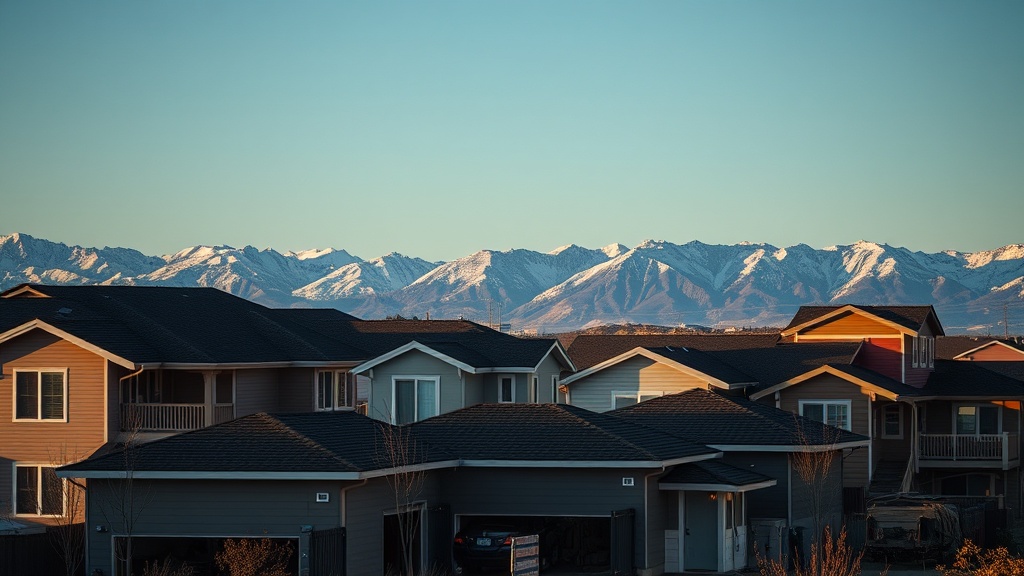
As Salt Lake County continues to establish itself as a vibrant hub of growth and development, market experts are weighing both the positive and negative aspects of the housing market as it approaches 2026. Following a relatively stable year of sales in 2025, analysts foresee a mix of opportunities and challenges that could shape the landscape of the local real estate market in the coming years.
In 2025, Salt Lake County recorded steady sales, which can be attributed to a combination of factors, including a growing population, an influx of new businesses, and a robust job market. The region has seen a sustained demand for housing, which has kept prices relatively stable, even amidst national trends of fluctuating home values. According to the Salt Lake Board of Realtors, the median home price in the county reached $550,000 in 2025, a slight increase from the previous year, reflecting the continued desirability of the area.
One of the significant positives expected in the Salt Lake housing market heading into 2026 is the anticipated growth in employment opportunities. With major companies, including tech giants and healthcare providers, expanding their presence in the region, there is a strong likelihood that job growth will continue to attract new residents. Local economist Dr. Jane Smith noted, “The job market in Salt Lake is expected to remain robust, which will drive demand for housing. People want to live close to where they work, and as more job opportunities arise, so does the need for housing.” This demand is expected to fuel both new construction and sales in the residential market.
Another positive aspect is the ongoing development of infrastructure, particularly in transportation. The expansion of the Utah Transit Authority’s light rail system is set to make commuting easier for residents, thereby increasing the attractiveness of suburban areas. Furthermore, new road projects aimed at alleviating congestion will likely enhance accessibility to various neighborhoods. Urban planner Mark Adams commented, “Improved transportation options not only make commuting more convenient but also increase property values. Areas that are well-connected tend to see higher demand and appreciation.”
Additionally, the increasing emphasis on sustainability and green building practices is expected to resonate well with buyers in 2026. As awareness of climate change and environmental issues continues to grow, homebuyers are increasingly seeking energy-efficient homes and communities. Builders are responding by incorporating sustainable designs and materials into their projects, which could further boost the appeal of new developments in the market.
However, alongside these positives, several challenges loom on the horizon for Salt Lake County’s housing market. One of the most pressing issues is the ongoing affordability crisis. Despite stable home prices, many residents are finding it increasingly difficult to enter the housing market due to rising costs of living and stagnant wages. A recent report from the Utah Housing Coalition highlighted that nearly 40% of residents are burdened by housing costs, which can lead to significant barriers for first-time homebuyers. “The affordability issue is a major concern. If people can’t afford to buy homes, it could stifle overall market growth,” explained housing analyst Tom Johnson.
Another challenge is the potential for increased interest rates. As the Federal Reserve continues to navigate economic fluctuations, there is speculation that interest rates may rise in the coming years. Higher borrowing costs could deter prospective buyers and slow down sales, leading to a potential cooling of the market. Real estate agent Sarah Thompson warned, “If interest rates increase significantly, we might see a slowdown in buyer activity, which could impact home prices and sales volume.”
Moreover, the challenge of inventory shortages persists. Although new construction is underway, it may not be enough to meet the rising demand. Industry experts have noted that the pace of new housing developments has not kept up with population growth, leading to a competitive market where multiple offers on homes are common. This shortage can lead to bidding wars that further inflate prices, making it even more challenging for average buyers.
As Salt Lake County heads into 2026, the interplay of these positive and negative factors will be crucial in determining the trajectory of the housing market. Stakeholders, including policymakers, developers, and community leaders, will need to collaborate to address the challenges while capitalizing on the opportunities presented by a growing economy. Community engagement and strategic planning will be essential in ensuring that the housing market remains accessible and sustainable for future generations.
In conclusion, Salt Lake County's housing market is poised for both growth and hurdles in 2026. While job opportunities, improved transportation infrastructure, and a focus on sustainability present exciting possibilities, the looming challenges of affordability, rising interest rates, and inventory shortages could significantly impact the market's overall health. As the region continues to evolve, ongoing analysis and proactive measures will be necessary to navigate the complexities of this dynamic housing landscape.