Salt Lake City's BioTower Project Revamped Amid Community Concerns
Salt Lake City revises its BioTower project in Poplar Grove following community backlash, revealing a new design aimed at addressing concerns.
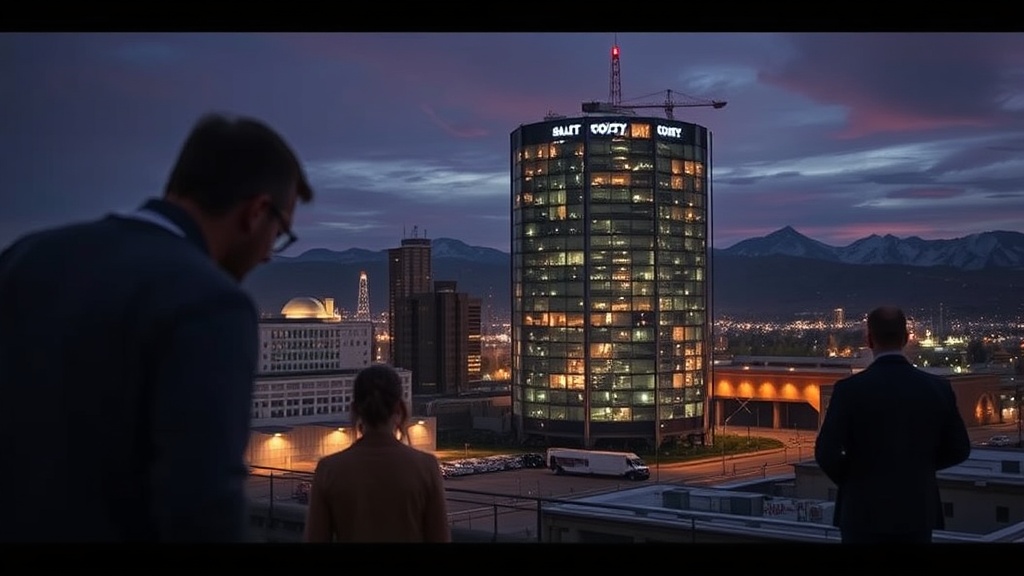
Salt Lake City is revisiting its proposed BioTower project in the Poplar Grove neighborhood following significant community backlash. The original plan, which featured a 30-foot-tall structure intended to purify harmful gases in the city’s sewer system, faced criticism from residents who were apprehensive about its visual impact and potential effects on the neighborhood. In response to these concerns, city officials unveiled a new design during a community meeting held Thursday evening, aiming to address the residents' fears while still fulfilling the project's essential environmental goals.
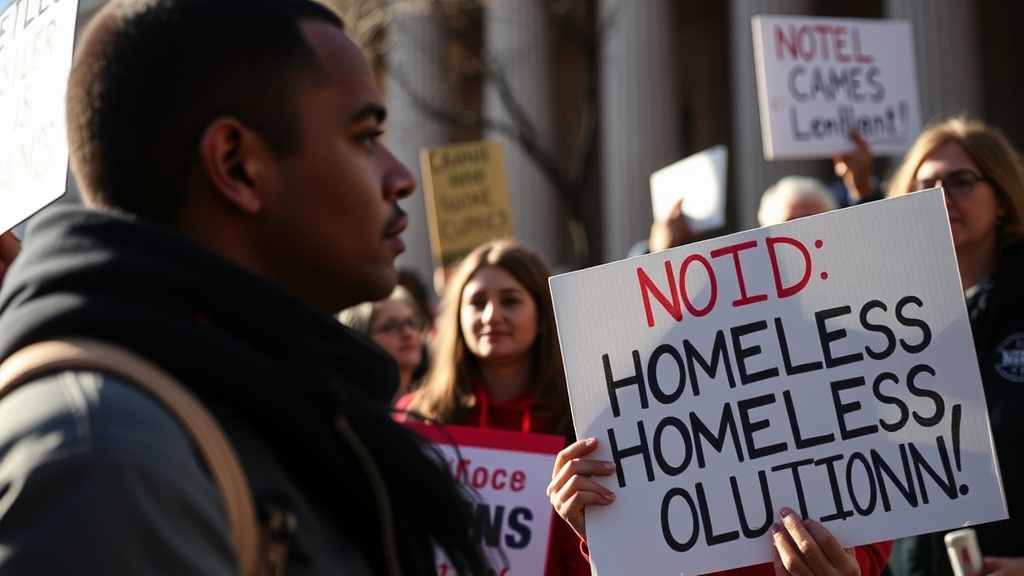
The initial proposal of the BioTower sparked alarm among local residents when they learned of its imposing height and industrial appearance. Many expressed their unease, questioning how a structure of such magnitude would fit into the character of their community. "Your realtor is going to have to explain that—what’s across the street?" remarked Alex Ward, a concerned resident who has been vocal about his apprehensions regarding the project.
Jason Brown, the deputy director for Salt Lake City's Public Utilities department, acknowledged the community's feedback and noted the importance of addressing public concerns. "One of the things we heard right away from the community was they didn't want to see a stack or a chimney on top of this," he explained. In light of this feedback, officials collaborated with manufacturers to redesign the BioTower, resulting in a bio-filter that is now half the height of the original proposal.
The redesigned BioTower replaces the initial seashell-based filtration method with a bio-mat—a matrix of plastic designed for bacteria growth. This new design allows bacteria to extract sulfur from hydrogen sulfide, effectively purifying the harmful gases that typically permeate the sewer system. Brown elaborated on the significance of this technology, stating, "If we leave it in there, what happens is it converts from hydrogen sulfide into sulfuric acid and concentrates on the side of the [sewer] walls and eats the concrete walls down." Thus, the project remains critical for preventing long-term damage to the city's infrastructure.
While some residents appreciate the revised design, they continue to have reservations about the potential effects on their quality of life. "If you have a car and you take off the exhaust, it’s still a car at the end of the day. It still functions the same way," Ward commented, echoing the sentiment that while the new design may be less intrusive, it does not eliminate the underlying issues associated with the project.
Additional questions emerged during the latest community meeting, particularly regarding the potential for green spaces and how the BioTower will affect daily life in Poplar Grove. Residents like Jannika Judd highlighted the existing limitations on street parking in the area, raising concerns about how the project might exacerbate these challenges. Brown assured attendees that the public utilities department is open to further suggestions aimed at making the BioTower more aesthetically pleasing and functional within the community.
The BioTower project is not solely a matter of local aesthetics; it plays a vital role in maintaining the city's sewer system and protecting public health. As the project moves forward, city officials will be closely monitoring its impact on the neighborhood dynamics. The bio-filter has already been ordered, and residents like Ward are left with lingering questions about the long-term consequences of the project. "Only time will tell," he remarked, conveying the uncertainty that looms over the community as they brace for changes that could affect property values and overall livability.
Looking ahead, the next discussion regarding the BioTower project is scheduled for January 28, during Poplar Grove's first community council meeting of the new year. As residents prepare for this meeting, they continue to seek clarity and assurance from city officials about how the project will evolve and its implications for their community. The ongoing dialogue between city officials and residents will be crucial as Salt Lake City navigates the complexities of urban development while striving to address environmental concerns.