Developer Abandons Plans for 22-Story Skyscraper in Salt Lake City's Sugar House
Harbor Bay Ventures withdraws its plans for a 22-story skyscraper in Sugar House, opting for compliance with new zoning regulations.
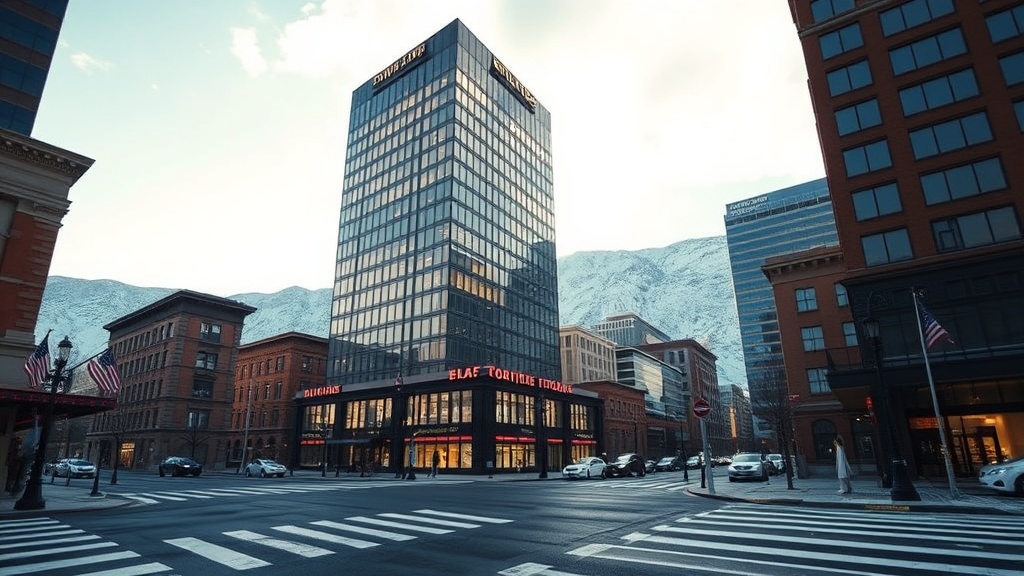
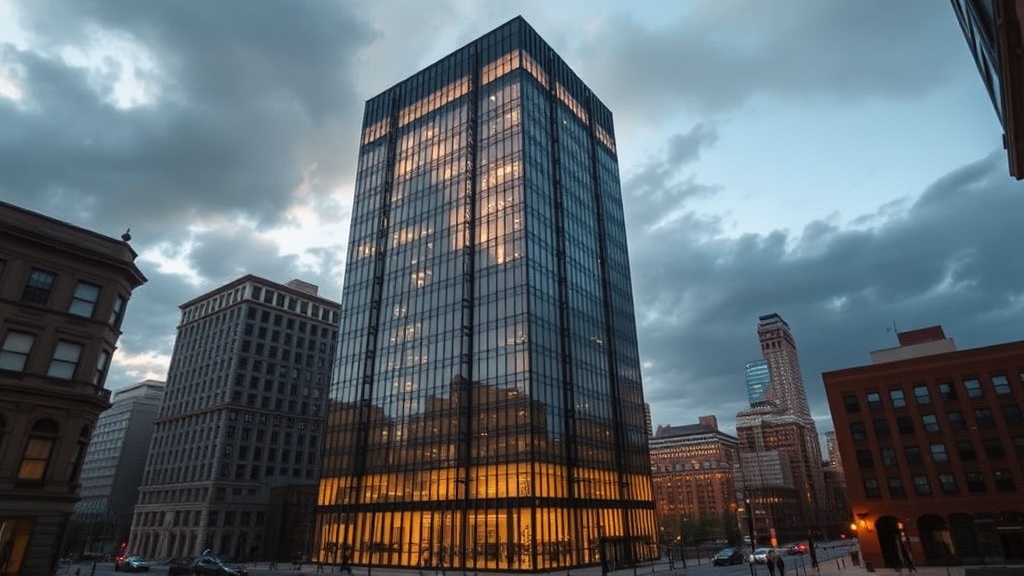
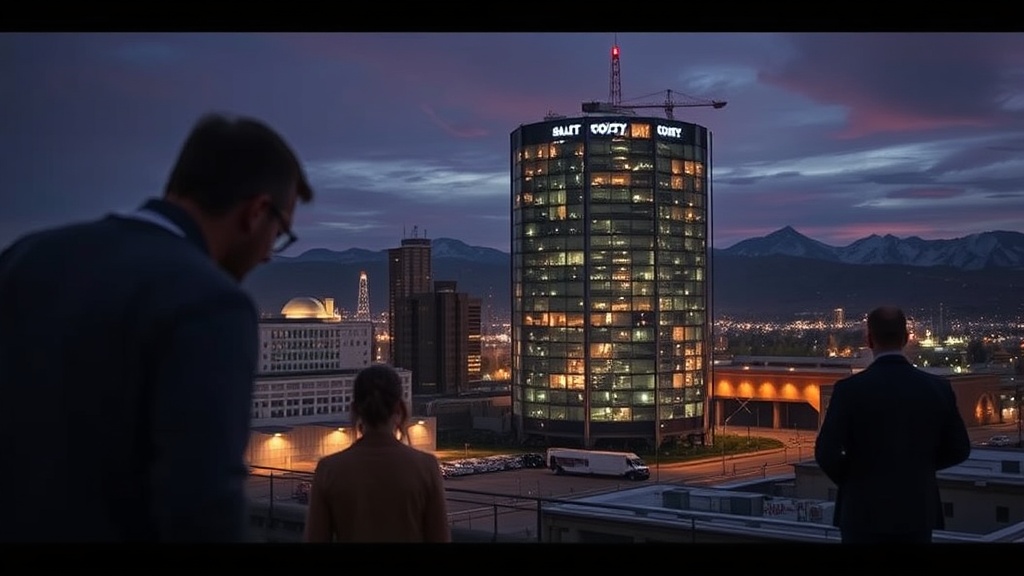
In a significant shift for the Salt Lake City skyline, Harbor Bay Ventures, an Illinois-based developer, has announced its decision to withdraw plans for a 22-story skyscraper in the Sugar House neighborhood. The ambitious project was set to rise on the northwest corner of 1100 East and 2100 South, a location currently occupied by a vacant Wells Fargo bank. The proposed tower, which aimed to incorporate innovative mass-timber construction techniques, would have reached a height of 305 feet, making it a striking addition to the area. However, the developer has informed city officials that it will instead conform to the newly established zoning regulations affecting the property.
In late 2022, Salt Lake City planners assigned a new zoning designation to the site, which imposes stricter height limitations. Under these new guidelines, any structure at this location can only rise to a maximum of 125 feet, translating to about 10 to 12 stories. For any development exceeding 75 feet, the city requires a design review to ensure compliance with aesthetic and safety standards. As of Thursday, no new application had been submitted to City Hall by Harbor Bay Ventures, signaling a potential delay in the project's timeline.
City officials and local residents had initially expressed a mix of excitement and concern regarding the proposed skyscraper. The Sugar House area has experienced considerable growth in recent years, with increasing demand for residential and commercial spaces. The construction of a 22-story tower would have represented a significant investment in the local economy, potentially creating jobs and attracting further development.
However, the ambitious plans also raised questions about the neighborhood's infrastructure and character. Opponents of high-rise developments in Sugar House have voiced concerns about increased traffic congestion, parking shortages, and the potential for overshadowing smaller, historic buildings in the area. These concerns may have played a role in Harbor Bay's decision to withdraw its original proposal and seek to comply with existing zoning laws.
In a statement, a representative for Harbor Bay Ventures indicated that the company remains committed to developing the site but recognizes the importance of adhering to the new zoning regulations. "We are dedicated to working within the established guidelines to create a project that meets the needs of the community while still allowing for responsible growth," the representative stated. This commitment to collaboration with city planners and local stakeholders could lead to a more community-friendly design, albeit with reduced height and scale.
The vacant Wells Fargo site has long been a focal point for discussions about development in Sugar House. As a critical intersection in the neighborhood, it presents opportunities for revitalization and urban renewal. The original plans for a mass-timber tower positioned the project as a beacon of sustainability, showcasing modern architectural techniques that emphasize environmentally friendly building practices. The decision to scale back the project may dampen some of these aspirations, but it does not preclude future opportunities for innovative design.
While Harbor Bay Ventures has not yet submitted a revised plan, the company reportedly intends to rework its proposal in line with the new zoning restrictions. This will likely involve a more modest design that accommodates the community's concerns while still aiming to enhance the Sugar House area. Local residents and business owners will be closely watching the developments as the city continues to evolve.
The impact of this decision on the broader real estate market in Salt Lake City remains to be seen. Developers may reconsider their strategies in light of the city's changing zoning landscape, which could influence future projects across the region. As cities nationwide grapple with providing affordable housing and accommodating growing populations, the balance between development and community needs remains a persistent challenge.
In conclusion, while the plans for a towering skyscraper in Sugar House have been abandoned, the conversation surrounding urban development in Salt Lake City is far from over. The focus will likely shift towards finding solutions that address both the demands of growth and the preservation of community character. As Harbor Bay Ventures embarks on this new chapter, stakeholders will be eager to see how the revised project unfolds and what it means for the future of Sugar House and its residents.