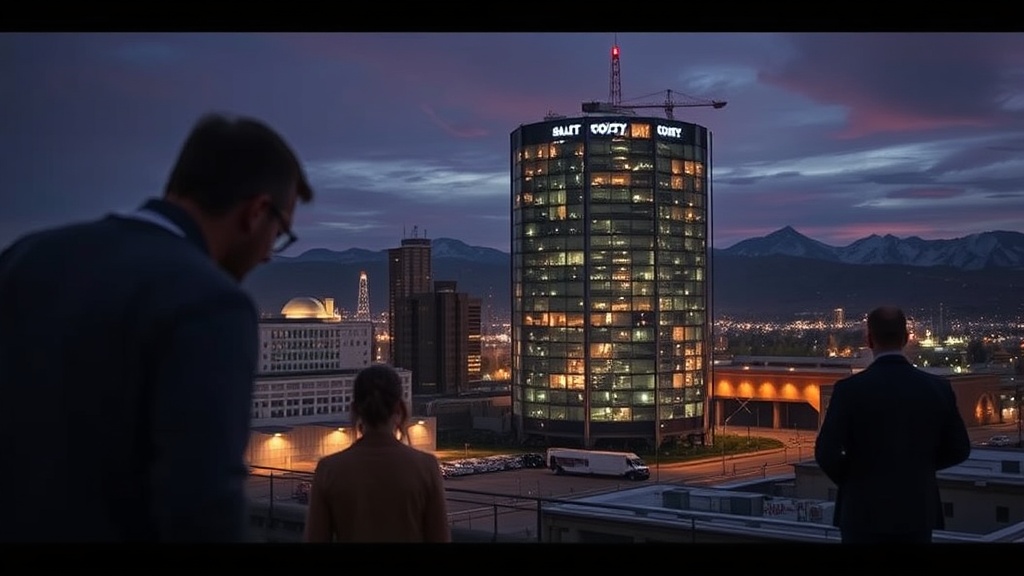
Salt Lake City Commission Rejects Rezoning Proposal for Agricultural Land
The Salt Lake City Planning Commission has rejected a rezoning proposal for 80 acres of agricultural land, prioritizing preservation over industrial development.
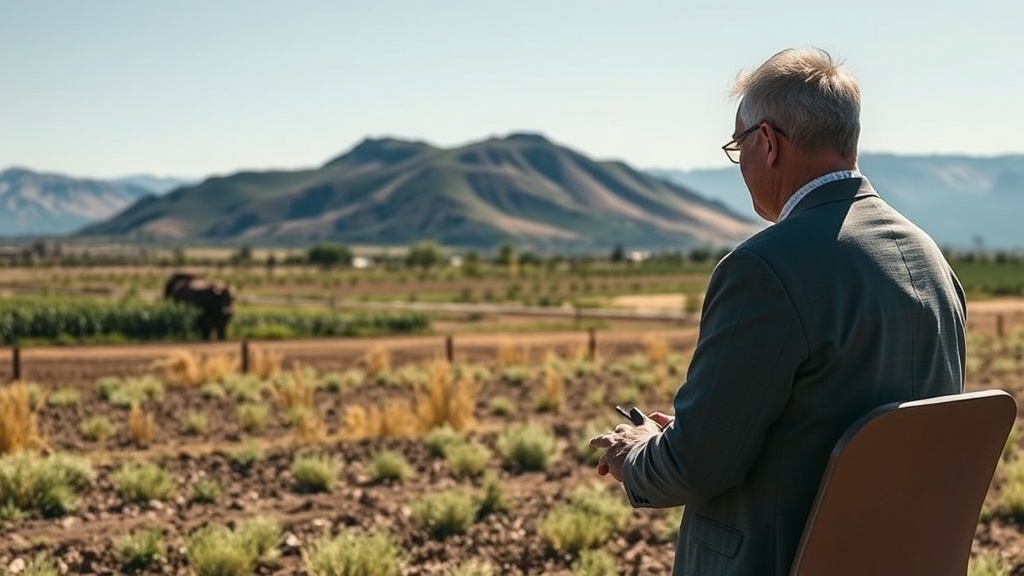
In a significant decision that echoes the ongoing debate about land use in Salt Lake City, a proposal to rezone 80 acres of agricultural land near the Great Salt Lake was met with staunch opposition from the Salt Lake City Planning Commission on Wednesday. The plan, which aimed to transform some of the last remaining agricultural spaces in the area into light industrial zones, failed to secure a crucial recommendation, marking a setback for developers and land use advocates pushing for economic development in the region.
The proposal was brought forth by a private development firm seeking to utilize the land, currently situated in an agricultural zone, for light industrial purposes. This would have allowed for the construction of warehouses and other commercial facilities potentially generating jobs and stimulating local economic growth. However, the commission's rejection highlights the community's concerns regarding the preservation of agricultural land, which many residents see as vital to maintaining the character and environmental health of the area.
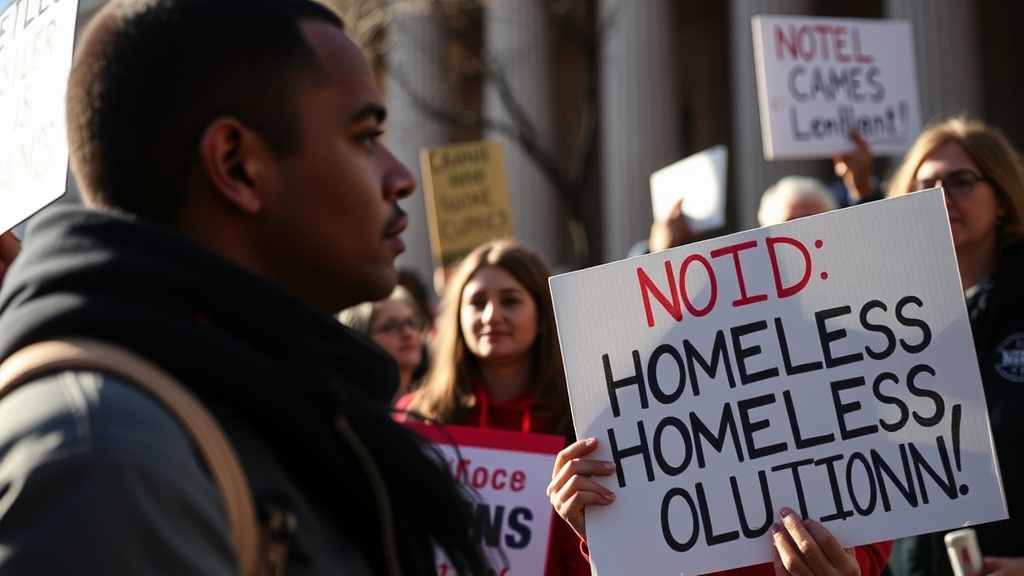
During the commission meeting, several community members voiced their apprehensions about the proposed rezoning. Many expressed worries about the potential environmental impacts, including increased traffic congestion, pollution, and disruption to local wildlife habitats. "This land is not just dirt; it is part of our community's history and ecosystem," stated Maria Gonzales, a local resident and environmental activist. "We need to protect it for future generations."
The Great Salt Lake area, known for its unique ecosystem and agricultural history, has been the subject of various development proposals in recent years. The ongoing urban sprawl has led to increasing pressure on agricultural lands, prompting city planners to balance the need for economic growth with environmental sustainability. In light of these challenges, the commission's decision reflects a growing recognition of the importance of preserving open spaces in urban settings.
In addition to community feedback, planning commission members also referenced the city’s long-term goals to promote sustainable development. According to city planning documents, maintaining agricultural land is essential for food security, local economy, and environmental health. The commission emphasized that while economic development is important, it should not come at the cost of vital agricultural resources.
The rezoning proposal was not only controversial due to its environmental implications but also due to its timing. As the city grapples with rapid population growth and increasing housing demands, the pressure to develop available land is mounting. However, the commission's stance indicates a commitment to prioritizing the preservation of agricultural lands even amid these competing pressures.
Some supporters of the rezoning argued that converting the land to industrial use could provide much-needed jobs and spur economic revitalization in the region. They highlighted that with the right planning, it would be possible to develop the area while still respecting the local environment. "We need to think about the future and how we can create opportunities for our residents," said Tom Richards, a spokesperson for the development firm. "This land can serve a dual purpose if we plan it right."
Despite these arguments, the commission's decision underscores a prevailing sentiment among residents who value the agricultural heritage of the area. Local farmers and agricultural advocates have been vocal about the need to maintain these lands, which not only serve as a source of local food but also help sustain the area's cultural identity. With the Great Salt Lake facing ecological challenges due to declining water levels and increasing salinity, the preservation of surrounding agricultural lands has become even more critical.
As the debate over land use continues, the commission's rejection of the rezoning proposal serves as a reminder of the complex dynamics at play in urban planning. Stakeholders from various sectors will need to engage in meaningful dialogue to explore solutions that balance economic growth with environmental stewardship. The future of agricultural land in Salt Lake City remains uncertain, but this latest decision reflects a community committed to preserving its natural resources and heritage amidst increasing development pressures.
Looking ahead, the planning commission has encouraged continued discussions with developers and community members to explore alternative uses for the land that could align with both economic needs and environmental priorities. The emphasis will be on finding innovative solutions that respect the agricultural legacy of the area while accommodating the region's evolving needs. As Salt Lake City navigates this critical juncture, the outcome of these discussions could set a precedent for future land use policies in the region, potentially influencing how urban growth is managed in the years to come.