Salt Lake City Moves to Rebuild Historic Building Amid Funding Challenges for Climbing USA
Salt Lake City is contemplating a rebuild of a historic building amid funding challenges faced by Climbing USA for their new headquarters.
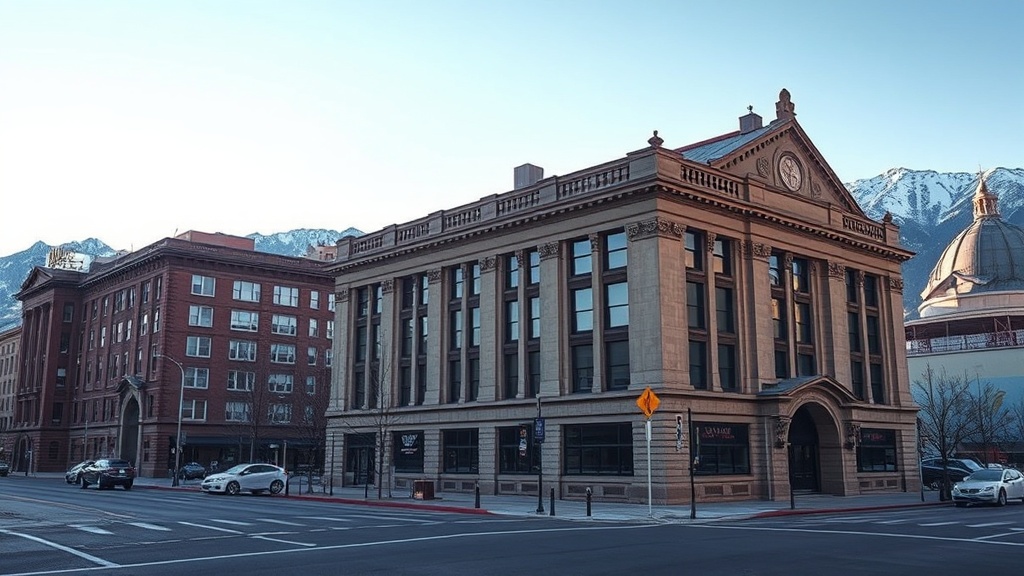
In a significant development for the Rio Grande District of Salt Lake City, local officials are considering a plan to rebuild a historic 119-year-old building that has garnered attention as part of Climbing USA's ambitious project to create a new headquarters. Initially, the preservation of this structure was a central component of Climbing USA's plans, but recent financial challenges have led to a shift in strategy. The organization is now seeking an additional $250,000 to help secure the future of the project, which aims to revitalize not only the building but also the surrounding area.
The building in question, which has stood since the early 20th century, is a notable piece of Salt Lake City's architectural history. It originally served as a warehouse and has been a vital part of the community's development over the decades. Climbing USA, a prominent player in the climbing and outdoor sports industry, envisioned transforming this historic site into a state-of-the-art facility that would not only house their corporate headquarters but also serve as a community hub for climbing enthusiasts and outdoor adventurers.
However, as Climbing USA delved deeper into the renovation process, unforeseen complications arose. The organization found that the costs associated with preserving the building were significantly higher than initially anticipated. Structural issues, outdated infrastructure, and the necessity for modern amenities have all contributed to rising expenses, prompting the company to reassess its financial strategy.
In a recent statement, Climbing USA's CEO, Jamie Thompson, expressed the urgency of their situation. "We are committed to preserving the character of this historic building while making it functional for our needs. However, we have encountered challenges that require us to seek additional funding. Our goal is to not only save this building but to enhance the vibrancy of the Rio Grande District. We are reaching out to local businesses, community members, and potential investors to help us meet our financial goal of $250,000."
The need for additional funding has raised concerns among local preservationists and community stakeholders who initially supported the preservation efforts. Many feel a deep connection to the building and worry that rebuilding instead of restoring may result in the loss of its historical significance. Local historian Emily Garcia commented, "This building is a testament to our city's rich heritage. It deserves to be preserved, not just for its aesthetic appeal but for the stories and memories it holds. We hope that Climbing USA can find a way to honor its history while also moving forward with their plans."
Salt Lake City's planning department is currently reviewing the proposal to rebuild the structure. City officials have indicated that they are open to discussions about the project, but they also emphasize the importance of maintaining the building's historical integrity. The planning commission is expected to hold a public meeting next month to gather community input and discuss the implications of the proposed changes.
As the situation unfolds, the future of the building hangs in the balance. The push for additional funding is not just about the financial needs of Climbing USA; it reflects a broader conversation about how communities navigate the tension between development and preservation. Many community members are advocating for a solution that would allow for the building's preservation while still accommodating Climbing USA's operational needs.
In the meantime, Climbing USA has launched a community outreach campaign aimed at educating residents about the importance of the project. They are organizing events to engage the public and garner support, as well as exploring various funding avenues, including grants and partnerships with local organizations. The response from the community has been mixed, with some residents expressing enthusiasm for the potential economic boost the new headquarters could bring, while others remain steadfast in their desire to see the historic building preserved.
As Salt Lake City continues to navigate this complex situation, the outcome will likely set a precedent for future development projects in the area. The decision to preserve or rebuild the historic structure could influence how similar projects are approached, particularly in neighborhoods rich with history. Climbing USA's efforts to secure additional funding will be crucial in determining the path forward, as they aim to balance the needs of their business with the desires of the community and the legacy of the building.
In conclusion, the fate of the 119-year-old building in the Rio Grande District remains uncertain. As Climbing USA seeks to raise the necessary funds, the community watches closely, hoping for a resolution that honors the past while embracing the future. The upcoming public meeting will be a critical opportunity for residents to voice their opinions and influence the direction of this pivotal project, ensuring that the cultural fabric of Salt Lake City remains intact amidst the winds of change.