Salt Lake City Experiences Unprecedented Warmth This December
Salt Lake City is experiencing its second-warmest December on record, with significant temperature highs affecting winter conditions.
SALT LAKE CITY, Utah – This December has been notably warm for Salt Lake City, with three record-breaking high temperatures recorded. Residents have found themselves putting away winter coats, even on Christmas Day. On Monday, the Salt Lake Valley hit a record high of 67 degrees, followed by a high of 61 degrees on Tuesday, surpassing the previous record of 59 degrees set in 1933. Additionally, on December 17, the temperature also reached 67 degrees, marking it as the warmest day recorded for that date.
Meteorologist Alex DeSmet from the National Weather Service noted, "We have reached 67 degrees on more than one occasion this month in Salt Lake City, tying it for the second-warmest December and winter temperature ever recorded." The minimum temperature on Monday was also unusually high at 59 degrees, breaking the previous warmest overnight temperature in winter by 7 degrees.
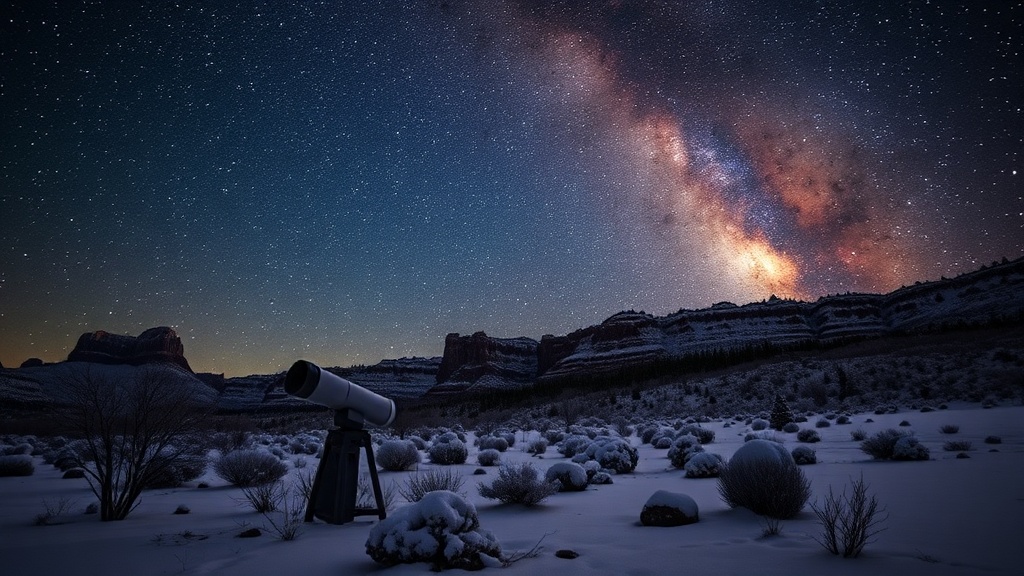
The likelihood of a traditional snow-filled Christmas Day in the Salt Lake Valley is nearly zero. However, the mountains above 8,500 feet are expected to receive 6 to 12 inches of snow from Wednesday through Thursday night. The National Weather Service has also forecasted high winds for Wednesday night through Friday night, with gusts reaching up to 50 miles per hour in western Utah and Tooele Valley, which could impact holiday travel due to blowing dust.
Despite these warm temperatures, DeSmet indicated that record-breaking temperatures are expected to subside by Friday. The state's ski resorts have seen a slow start to the season, with many skiers reporting soft, spring-like snow conditions. Tourists hoping for fresh powder have expressed disappointment due to the lack of snow.
Concerns regarding drought levels are growing among Utahns, as approximately 95% of the state's water supply is derived from snowpack. This worry is heightened following a dry summer that has left Great Salt Lake managers hoping for a strong winter to replenish the basin. However, DeSmet reassured that there is still ample winter left to build the necessary snowpack, with typical accumulation expected until April.
The National Weather Service anticipates that temperatures will continue to remain warmer than normal for the rest of the winter, but this may not correlate directly with snowpack levels. DeSmet explained that precipitation patterns for the upcoming winter months remain uncertain, indicating variability in snowfall potential.