Salt Lake City Commission Denies Light Industrial Rezoning Near Great Salt Lake
Salt Lake City commission denies rezoning request for 80 acres of agricultural land, prioritizing environmental sustainability.
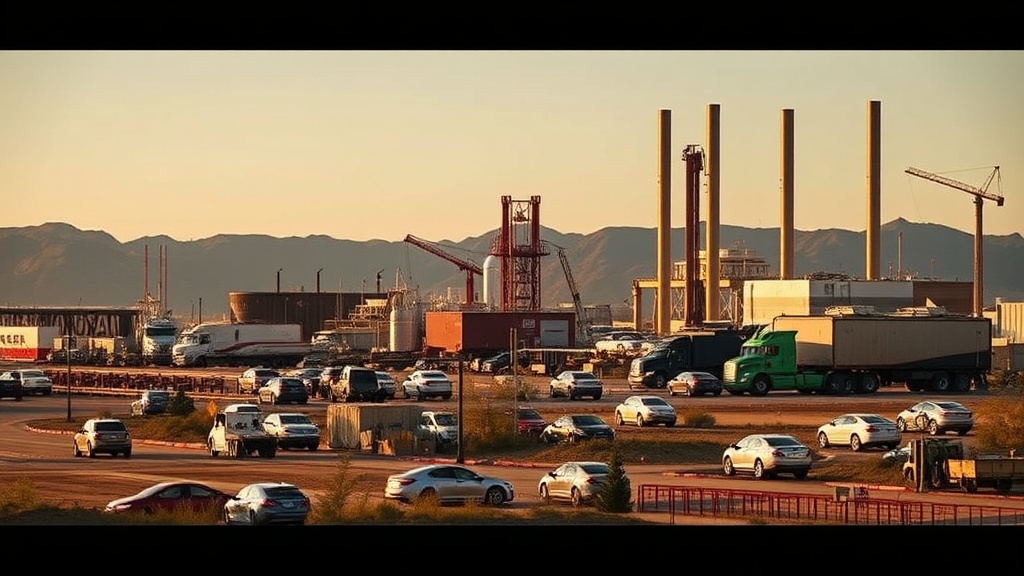
In a significant decision impacting the future of land use in northwest Salt Lake City, the local commission recently voted against a proposal to rezone 80 acres of prime agricultural land for light industrial development. This decision comes amidst growing concerns about the preservation of agricultural spaces in the region, particularly those near the Great Salt Lake, which is undergoing ecological changes that have drawn attention from environmentalists and city planners alike.
The land in question is located near the Great Salt Lake, a vital ecosystem that supports a variety of wildlife and recreational activities. The area has been largely dedicated to agriculture for decades, making it one of the last remaining spaces in the city that contributes to local food production. The proposal to convert this land into light industrial space was presented by a private developer who argued that the rezoning would create jobs and stimulate economic growth in the region.
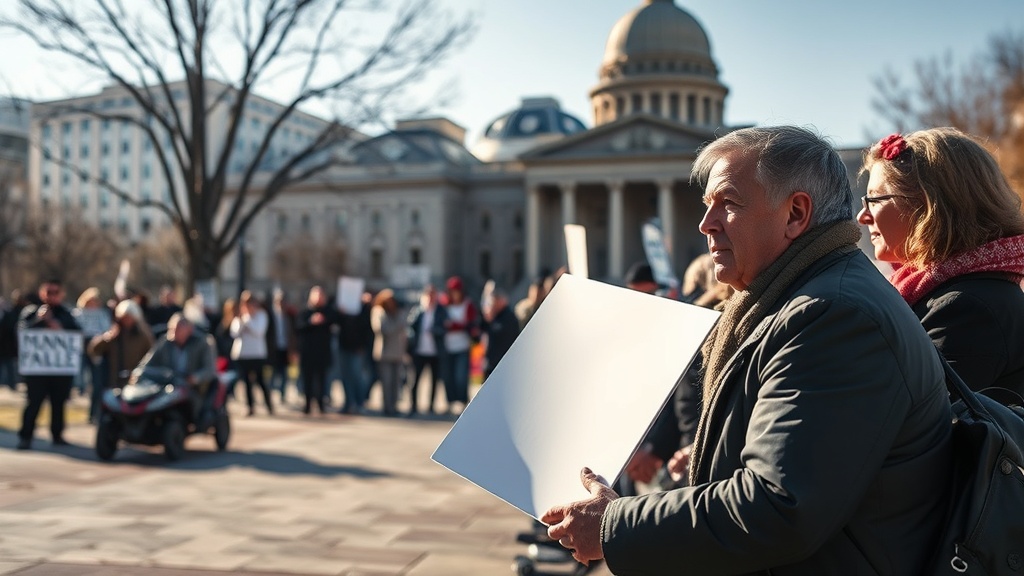
However, the commission’s decision reflects a broader trend towards prioritizing agricultural preservation and environmental sustainability in urban planning. During the public hearing, several community members voiced their concerns about the potential environmental impacts of industrial development near such a sensitive ecological area. “We need to think carefully about the long-term consequences of taking away our agricultural land,” said local farmer Maria Lopez, who has been cultivating crops in the region for over 20 years. “This land is not just dirt; it’s part of our community’s identity and food security.”
Opponents of the rezoning also highlighted the importance of the Great Salt Lake’s ecosystem, which is currently facing significant challenges due to rising salinity levels and decreasing water inflow. Environmental advocates argue that converting agricultural land to industrial use would exacerbate these issues, leading to further degradation of the environment. “The health of the Great Salt Lake is interconnected with the health of our agricultural lands,” stated environmental scientist Dr. John McCarthy. “We need to protect these areas to ensure the sustainability of our ecosystem.”
In response to the proposal, the commission conducted a thorough review process, considering various factors such as economic impact, environmental sustainability, and community feedback. After hearing from stakeholders, the commission ultimately concluded that the potential risks associated with the rezoning outweighed the benefits. The decision was met with applause from community members who had been advocating for the preservation of agricultural land.
Commissioner Sarah Jenkins, who played a crucial role in the decision-making process, emphasized the importance of maintaining a balance between development and conservation. “As a commission, we have a responsibility to ensure that our decisions reflect the values and needs of our community,” she stated. “We recognize the need for economic growth, but it cannot come at the cost of our agricultural heritage and environmental health.”
The rejection of the rezoning proposal raises questions about future development projects in the area. With increasing pressure for urban expansion and industrial development, local officials may need to reevaluate their land use policies to better protect agricultural lands. Scott Peters, a city planner, noted that the decision sets a precedent for how similar proposals will be handled in the future. “This is an important message that agricultural land is valuable and should be preserved,” he remarked.
Looking ahead, the commission plans to engage with community members and stakeholders to explore alternative solutions that could support economic development while also preserving agricultural land. There is potential for initiatives that promote urban agriculture, sustainable farming practices, and even the development of agribusinesses that could create jobs without compromising the integrity of the land.
In conclusion, the recent commission decision to deny the rezoning request is indicative of a growing movement towards sustainable urban planning in Salt Lake City. As the city grapples with the challenges of balancing development with environmental stewardship, the preservation of agricultural lands will remain a critical issue. The outcome of this decision not only impacts the immediate area but also serves as a reflection of broader societal values regarding land use, community health, and environmental sustainability. As discussions continue, the community remains hopeful that future developments will prioritize the preservation of their agricultural heritage while fostering economic growth.